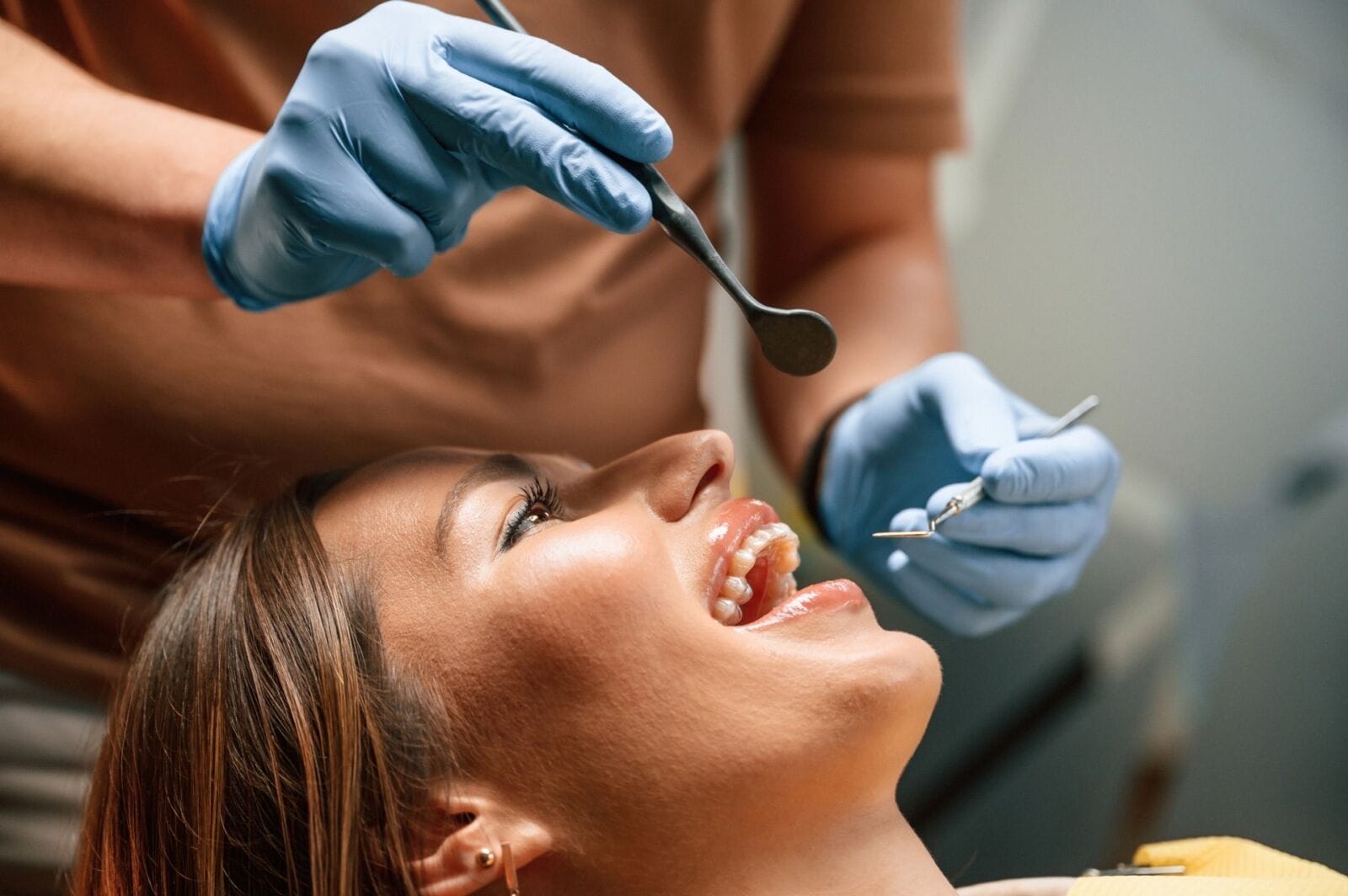
Dentistry is entering a pivotal moment. As 2026 approaches, shifting consumer expectations, evolving wellness economics, and growing scrutiny around health risks are converging to reshape a field that has traditionally been slow to change.
READ MORE: Here’s why the Arizona economy is poised to accelerate
LOCAL NEWS: Want more stories like this? Get our free newsletter here
Patients today are more informed, more discerning, and more willing to question legacy care models. As wellness literacy rises and preventive health becomes both a lifestyle and financial priority, dentistry is being pulled into a broader conversation about whole-body health. What was once viewed as a reactive, procedure-driven field is now being evaluated through a different lens: long-term impact, biocompatibility, and alignment with overall well-being.

This shift is being driven by forces that are already well documented. Wellness trend reports increasingly connect oral health to systemic inflammation and chronic disease. Mainstream health coverage has elevated patient concern around toxic dental materials, including mercury-based amalgams that are already slated for global phaseout. At the same time, airway-focused care and regenerative therapies are gaining attention across medicine, bringing dentistry into the spotlight of preventive and longevity-focused healthcare.
The result is a recalibration of value. Across the U.S., patients are actively seeking providers who prioritize long-term compatibility over speed, prevention over intervention, and materials that work with the immune system rather than against it. Dentistry is no longer competing solely on convenience or cosmetic outcomes, but on trust, outcomes, and alignment with broader health goals.

One of the most visible shifts is the acceleration of the metal-free movement. What began with mercury-free fillings has expanded into a broader push to eliminate metals altogether. Influenced by detox culture and increased awareness of immune response, patients are increasingly asking for restorations that avoid metal entirely. Zirconia and ceramic implants are now the preferred choice for patients seeking biocompatibility, durability, and long-term harmony with the body.
Whole-body dentistry is also moving firmly into the mainstream. Oral health is now routinely discussed alongside inflammation, toxin exposure, airway function, and chronic disease risk. This perspective has driven increased demand for root-cause-focused prevention, ozone therapy, and platelet-rich fibrin treatments that support the body’s natural healing processes rather than simply managing symptoms.
Orthodontics and oral appliances are undergoing a similar evolution. Care is no longer centered solely on straight teeth or aesthetics. Parents and adults alike are prioritizing breathing, sleep quality, and proper development. Airway-first orthodontics, including Myobrace systems, functional expanders, myofunctional therapy, and therapeutic mouthguards, are increasingly chosen to support jaw development, reduce clenching and grinding, and improve sleep-related breathing. These appliances are now viewed as long-term health tools rather than cosmetic or short-term dental solutions.
Regenerative dentistry reflects the broader cultural movement toward longevity and bio-optimization. As these conversations expand beyond niche wellness spaces, patients are seeking treatments that enhance healing rather than suppress it. PRF, ozone therapy, natural bone regeneration, and healing optimization are becoming expected components of modern dental care rather than fringe offerings.
The delivery model itself is changing as well. In contrast to high-volume, time-constrained practices, patients are gravitating toward longer appointments, deeper consultations, and minimally invasive treatment plans. This shift toward slow dentistry reframes time, precision, and attentiveness as indicators of quality, mirroring a broader move toward intentional, conscious healthcare.
Taken together, these trends point to a fundamental evolution. Dentistry in 2026 is less about doing more procedures and more about doing the right ones, thoughtfully and responsibly. Practices that adapt to these expectations are positioned to build trust, patient loyalty, and long-term sustainability. Those that do not may find themselves increasingly out of step with a more informed, wellness-driven patient population.
The future of dentistry is already taking shape, driven not by hype, but by patients who are paying closer attention to how oral health fits into their overall wellbeing.
Author: Matt Ellingson is the CEO of Swiss Biologic Dentistry, where he champions a biologic, minimally invasive approach to oral health. Under his leadership, the practice is known for prevention-driven, science-backed dentistry aligned with whole-body health.