Americans spent about $38 on the average takeout order in 2025, a notable gap compared to the $54 average dine-in check. Appetizing, right? But to capture this revenue in a crowded market, it takes more than just stocking shelves.
Bridging that spending gap requires turning casual browsers into buyers through strategic visual cues. Effective merchandising transforms your floor space into a high-performance engine for immediate impulse sales.
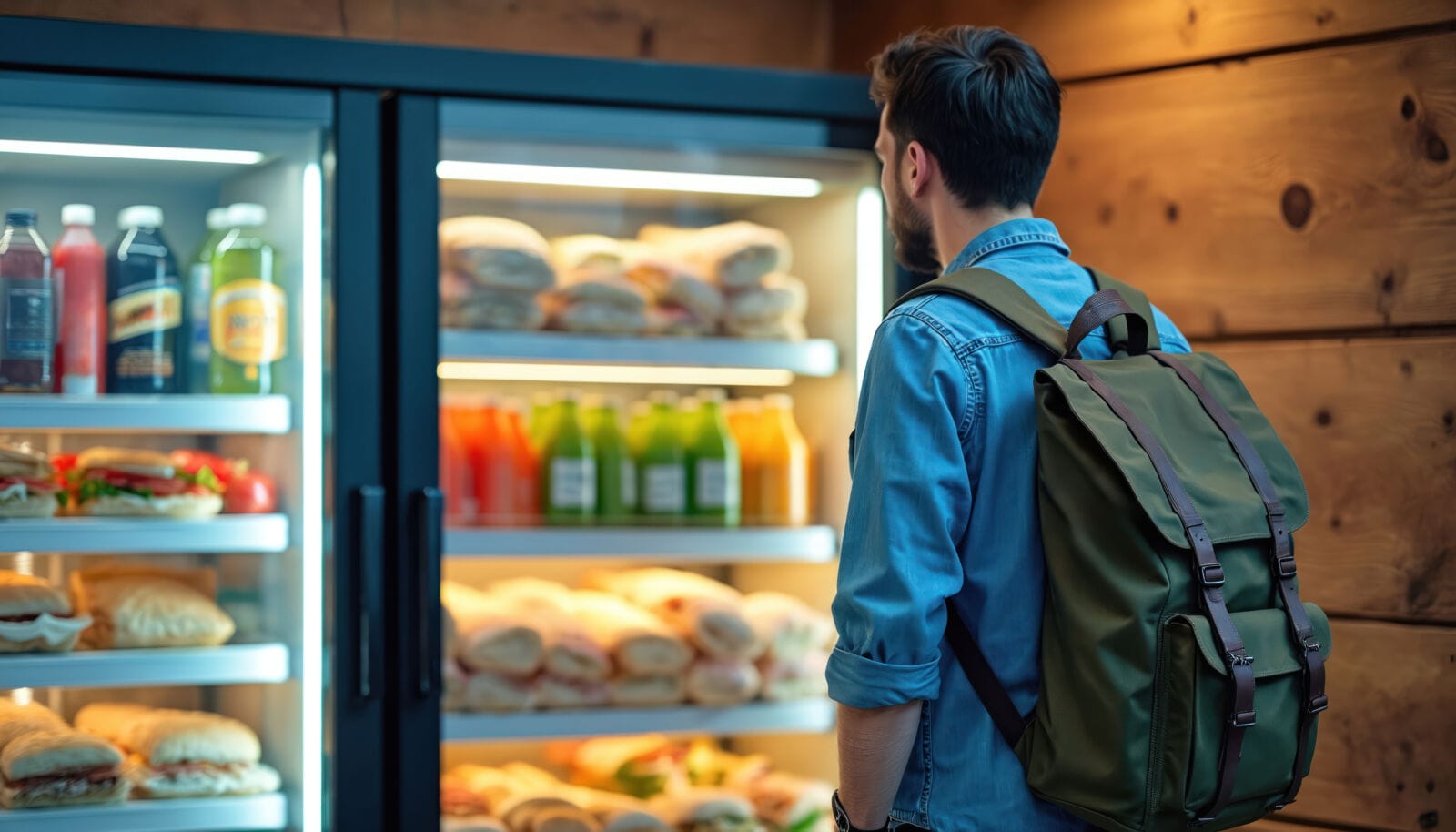
Image created and licensed with Sora
Use Sightline First Product Placement
Placement is the silent salesperson that directs the customer’s eyes toward your highest-margin items. Let’s take premium salads or signature sandwiches, for example. When you position them at the direct eye level of an adult, you ensure these products are the first things noticed.
Lower shelves should be reserved for bulkier items or children’s snacks to maximize the utility of the vertical space. Plan the flow, place the goods, high margins drive the bottom line.
Optimize Lighting and Glass Clarity
Visibility is the primary driver of appetite appeal in a retail environment. A well-lit display reduces the psychological barrier between the customer and the food. The items appear fresher and more vibrant.
For example, using a two-door display refrigerator with internal LED lighting and adjustable shelves allows you to highlight specific product textures while maintaining a clean, professional look. Keeping glass surfaces free of smudges also ensures that the visual connection remains uninterrupted from across the room.
Implement Micro Planograms with Seasonal Rotations
Standardized layouts can become invisible to frequent customers over time. Shifting your inventory based on the time of day or the current season keeps the selection feeling urgent and relevant to the shopper’s immediate needs.
Effective rotations rely on these core principles:
- Grouping complementary items like bottled tea next to wraps
- Updating the top shelf weekly to reflect seasonal specials
- Using color blocking to separate different protein types
A dynamic shelf presence prevents the “store blindness” that often occurs with static displays. According to Datassential, roughly 33% of unplanned purchases occur when items are discovered while walking around the store.
Ensure Temperature Verified Placement
Maintaining the integrity of the cold chain is essential for both safety and visual appeal. Condensation or frost can ruin the presentation of even the best-prepared meals, which is a growing concern in the on the go food packaging market where clarity is everything.
Placing items too close to air vents can cause freezing. Conversely, overcrowding shelves can block necessary airflow and lead to warm spots. High-quality inventory deserves a stable environment to look its best until the moment it is purchased, supported by consistent cooling for grab-and-go sections that ensures both freshness and customer confidence.
Track Performance with AB Tests and KPIs
You cannot improve what you do not measure in a competitive retail setting. Try running a one-week test where you swap the locations of your beverages and your prepared snacks to see which configuration yields a higher attachment rate.
Monitoring your “sales per square foot” and “shrinkage rates” provides hard data you can use to refine your merchandising tactics over time. Check the data, adjust the shelves, consistent testing yields the results.
Research into deli trends shows that prepared meals now represent more than half of all deli sales, making these metrics more vital than ever.
Refine Your Merchandising Strategy
Maximizing income from grab and go orders is a process. It requires a constant cycle of observation and adjustment. Small changes in shelf height or lighting brightness often result in measurable shifts in daily sales and overall revenue by extension. You can find more expert tips and operational guides by exploring the site’s archives or magazine sections.