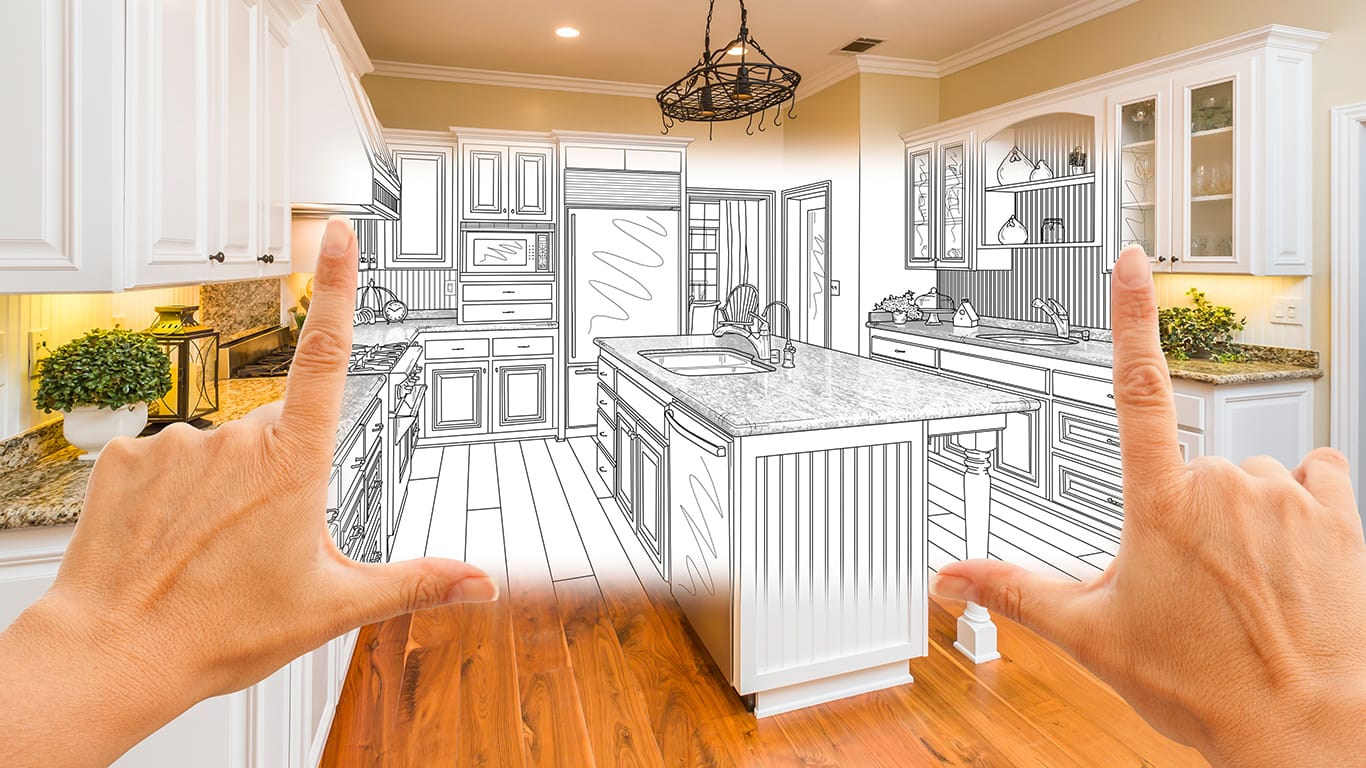
Funding a major home renovation requires either massive cash reserves, a Home Equity Line of Credit, or a specialized renovation loan. Paying cash protects your home equity but drains personal liquidity. HELOCs tie up your primary residence as collateral. Specialized loans bypass equity requirements entirely. Do not use high-interest credit cards.
That is the absolute core of renovation economics. You want a new kitchen. Everyone does. Tearing down load-bearing walls requires capital. Capital has a cost.
Unless you have seventy thousand dollars sitting idle in a checking account steadily losing purchasing power to inflation, you need a strategy. Banks want your interest. Contractors want your deposits. You just want decent countertops without going bankrupt. The entire industry is designed to separate you from your home equity. Protect it.
What Is the True Cost of Remodeling Right Now?
Material prices stopped their hyper-inflationary climb last year. Labor did not. Good contractors charge a premium because they can. Bad contractors underbid, vanish with your deposit, and force you to pay double to fix their mistakes. The Arizona market specifically is completely saturated with out-of-state buyers who brought coastal cash and permanently warped local pricing expectations.
You cannot benchmark your budget against a project your neighbor completed in 2019. The math is obsolete.
- Custom Cabinetry: $15,000 to $30,000 for a standard footprint. Plywood boxes. Not particle board. Soft-close hinges are no longer a luxury upcharge; they are the baseline.
- Plumbing Relocation: $2,500 per fixture. Moving a toilet three feet means trenching concrete. Trenching concrete means dust in your lungs and a jackhammer rattling your teeth for two days.
- Permit Delays: 3 to 6 months in major metropolitan areas. Time is money. Holding costs accumulate while bureaucrats shuffle digital papers.
According to the National Association of Home Builders, labor shortages are currently delaying 68% of major residential projects. You are competing for a shrinking pool of skilled tradesmen. They dictate the schedule. They dictate the pricing. Master plumbers in Scottsdale are billing $150 an hour just to park their van in your driveway.
How Do You Choose the Right Funding Strategy?
You have three primary avenues. Choose wrong, and the math eats your expected return on investment. The banking system is designed to penalize ignorance.
- Cash Refinance: You pull cash out based on the current appraised value of your home. You reset your primary mortgage rate. If you locked in a 3% rate in 2021, a cash-out refinance in today’s market is financial self-sabotage. You are trading a historic, appreciating asset for a slightly bigger bathroom.
- HELOC: A variable rate line of credit. Draw what you need. Pay interest on what you draw. The risk is the variable rate. The Federal Reserve controls your monthly payment. When inflation spikes, your kitchen remodel suddenly costs you an extra $300 a month in interest.
- Personal Renovation Loans: Unsecured debt. Higher rates than a HELOC. Faster approval times. No lien against your house. The bank is taking all the risk, so they charge you a premium for the privilege.
When evaluating home improvement financing, look strictly at the Annual Percentage Rate (APR) and origination fees. Disregard the marketing gloss. Lenders disguise high upfront fees with artificially low introductory rates that reset after six months.
If the origination fee exceeds 2%, find another lender. Read the fine print on draw schedules. Some banks charge you $150 every time they send an inspector to verify the contractor actually hung the drywall before releasing the next tranche of cash.
What Are the Hidden Traps in Construction Loans?
Banks do not hand you a check for eighty thousand dollars and wish you luck. They hold the funds. They control the disbursement. This is where amateurs get squeezed.
Contractors want cash upfront to buy materials. Lenders want to pay in arrears after work is verified. You are caught in the middle trying to manage the cash flow.
- Draw Fees: Lenders charge you to access your own approved loan. It is a hidden tax on your project.
- Inspection Delays: The contractor finishes the framing. They want to get paid. The bank inspector takes six days to show up. The contractor pulls his crew and goes to another job site. Your project sits idle for a week.
- Appraisal Shortfalls: The bank bases the loan on the “as-completed” value. If their appraiser does not agree with your architectural valuation, your total loan amount drops. You cover the difference out of pocket. Immediately.
Understand the draw schedule before signing the promissory note. Force the contractor to agree to the bank’s disbursement timeline in writing before demolition starts. A contractor who refuses to work on a standard bank draw schedule is undercapitalized. Undercapitalized contractors go out of business mid-project. They use your deposit to finish the last guy’s house.
Which Projects Actually Yield a Positive Return?
Stop watching reality television. You do not get a dollar-for-dollar return on a massive primary suite addition. The market pays for functional updates. It aggressively penalizes hyper-personalized aesthetic choices. Buyers want structural integrity and modern utilities.
- Garage Door Replacement: Consistently yields over 90% cost recovery. It boosts curb appeal instantly. It is cheap.
- Minor Kitchen Remodels: Refacing cabinets and upgrading appliances. 75% recovery. Do not move the plumbing. Do not touch the load-bearing walls.
- Mid-Range Bathroom Updates: Replacing fixtures and re-grouting. 65% recovery. Keep the existing footprint.
- Swimming Pools: You will lose money. Concrete is expensive. Maintenance is endless. You are building a massive liability in your backyard.
Future buyers will rip out your $10,000 custom imported mosaic tile because it clashes with their rugs. Stick to neutral, high-quality finishes. Upgrading your electrical panel to 200 amps costs $2,500 and prevents a skittish buyer from walking away after the home inspection. A brand new HVAC system doesn’t look pretty on Instagram, but it closes deals in July in Arizona. Buyers pay for peace of mind. Give it to them.
How Do You Vet Contractors and Protect Your Capital?
Contractors are marketers first and builders second. The sales pitch is always flawless. The execution is what bankrupts you.
You need three detailed bids. Throw out the lowest one. The low bidder either missed a massive structural issue in the blueprints or plans to hit you with endless change orders once the demolition exposes the real problems.
Always check the state registrar of contractors. Verify their bond status. Verify their insurance. If a worker severs a finger using a table saw on your property and the contractor’s insurance lapsed, your homeowner’s policy is suddenly the primary target for a massive lawsuit. Do not assume they are covered. Check the certificate of insurance yourself.
Never give a contractor a 50% deposit upfront. State laws often cap legal deposits at 10% or $1,000, whichever is less. Pay for materials directly to the supplier if necessary. You own the lumber.
Require unconditional lien releases with every single payment tranche. If your contractor doesn’t pay the lumber yard or the drywall sub-contractor, they can foreclose on your house to get their money. That is a mechanic’s lien. It happens every single day in this industry.
Summary/Takeaway Section: The Final Word on Renovation Economics
Capital is expensive. Renovations disrupt your life for months. Plan the entire scope of work before applying for the debt. Indecision costs money. Changing your mind about tile patterns while the setter is already mixing mortar will result in a 20% surcharge. The tradesmen hate you for it. They will charge you an annoyance fee.
Understand your timeline. Over-budgeting by 20% isn’t conservative. It is mandatory. Assume the worst-case scenario for every wall you open. The average bathroom remodel requires three separate municipal inspections before the drywall can go up. Plumbers fail inspections. Electricians fail inspections. The city inspector fails them because of a minor code violation. You lose a week.