Quick Answer
Reliable electric power reshaped daily life by replacing manual labour and open flame with safe energy on demand. It stretched the day past sunset, mechanized the home, and linked distant communities through instant communication. Today it drives computing, transport, and heating alike. The next stage points toward cleaner generation, smarter distribution, and homes that store and manage their own supply rather than simply drawing from the grid.
Introduction
Picture a winter evening before wiring reached the average household. Light meant an open flame, warmth came from burning fuel, and any chore after dark carried real risk. The shift from that daily struggle to safe, dependable power ranks among the most quietly important changes in human living.
That progress did not arrive by chance. It took standardized codes, skilled tradespeople, and rigorous safety practice to make current both useful and survivable indoors. The work of licensed and certified electricians turned raw voltage into something families could trust without a second thought.
The Electricity Innovations That Built the Power Grid
Long before a switch could light a room, the phenomenon itself was a puzzle studied in fits and starts. Real progress began only when experimenters recorded their findings with discipline.
The Discoveries That Made Power Usable
The eighteenth and nineteenth centuries delivered the breakthroughs that mattered. Benjamin Franklin tied lightning to electrical charge, while later thinkers defined the link between current, voltage, and resistance. Alternating current eventually won the so-called War of the Currents because it travelled long distances with far less loss than its rival.
From Clever Device to Citywide Service
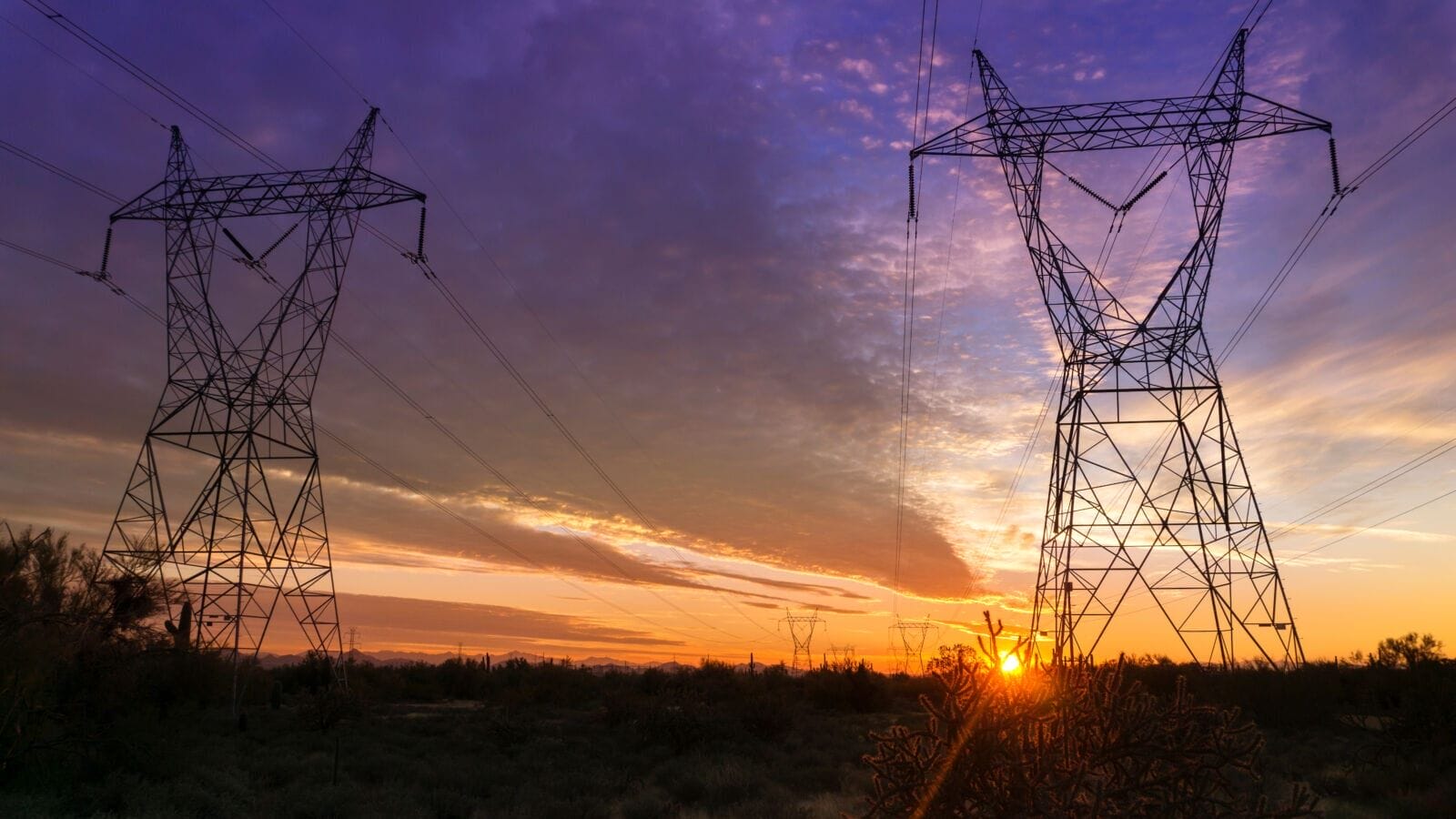
A working bulb meant little without a system to feed it. The leap from invention to widespread service demanded generating stations, transmission lines, and the power grid that ties them together. The result is a layered network that most people notice only when it fails.
Three layers carry power from the source to the socket:
- Generation at large stations or, increasingly, local sources
- Transmission across high-voltage lines over distance
- Distribution that steps voltage down for safe household use
A brief timeline shows how each era moved power closer to the home:
| Era | Defining Advance | Practical Impact |
| Late 1700s | Charge and static theory | Scientific foundation set |
| 1800s | Battery and dynamo | Steady, usable current |
| Early 1900s | Grid distribution | Power reached homes widely |
| Mid 1900s | Standardized safety codes | Dependable household wiring |
Each step compressed decades of refinement into the reliable supply taken for granted now. What looks ordinary today was, within living memory, a sharp break from how people had always lived.
How Electricity Changed the World at Home

Once dependable current reached the dwelling, the rhythm of family life reorganized around it. The change was quiet but total.
Light, Labour, and the Daily Routine
The bulb did more than brighten a room. It detached the working day from sunrise and sunset, handing households real control over their evenings. Mechanical helpers followed, and chores that once swallowed whole afternoons shrank to minutes.
A few shifts reshaped domestic life most:
- Electric lighting replaced flame, cutting fire risk and extending usable hours
- Powered appliances absorbed washing, cleaning, and cooling
- Refrigeration made safe food storage routine rather than a daily chore
- Telephone and radio linked the home to the wider world
Comfort, Safety, and Connection
Beyond convenience, steady supply made the home measurably safer, since stoves and lamps no longer relied on open combustion. In practice, the same network that powered a radio later carried television and the connected devices behind the modern uses of electricity today. Heating matured too, a real comfort given how demanding a cold local climate can be.
Within a single lifetime, the household moved from chore-bound to effortless, and that momentum has not slowed.
Preparing Your Home for the Future of Electricity
The next shift is already underway, turning the household from passive user into active manager of its own power.
Cleaner Sources and Smarter Control
Rooftop solar, home batteries, and responsive metering are turning roofs and basements into small energy hubs. The reality is that tomorrow’s supply depends as much on local management as on distant generating stations, letting a home balance what it draws against what it produces.
Is Your Panel Ready for the Load?
Most coverage skips a practical detail: many older properties carry service capacity that newer demands quickly outgrow. Adding heavy modern loads without first checking the panel invites trouble.
Common upgrades that strain an ageing system:
- EV chargers drawing sustained, high current
- Heat pumps that replace fuel-burning furnaces
- Induction cooktops and home battery storage
Pro Tip: Before adding an EV charger or heat pump, ask a qualified professional for a load calculation. Confirming the supply up front prevents nuisance trips and costly rework later.
Readiness, not just new gadgets, decides how smoothly a home meets the demands ahead.
What Electricity’s Past Teaches About Its Future
Seen end to end, the history of electricity is a record of steady human ingenuity, from the first careful experiments to the quiet, software-managed home. Each generation made power safer, cheaper, and more useful than the one before.
The same pattern now drives cleaner generation and smarter household systems. Understanding that arc helps any homeowner judge what their property truly needs as demand keeps climbing, rather than reacting only when something fails.