Households and businesses can participate in community solar programs that offer renewable energy without having to install equipment on their own buildings. These campaigns promote engagement in solar projects by providing several practical benefits to participants. More people can then make educated decisions on cleaner energy options once these benefits are understood.
Cost Savings and Predictable Bills
Enrolling in a community solar project usually means that your utility bill will be lower. This usually involves subscribing to a share of a larger solar array and being credited for the power it produces. Under this scheme, users can save money through solar energy but do not pay for the installation. Thus, many discover that their monthly electricity bills become easier to anticipate and easier to cope with.
No Need for Rooftop Installations
A main benefit of community solar is no direct installation, highlighting the community solar benefits for both homeowners and renters who can obtain renewable electricity without changing roofs or property. It is especially useful for people with shaded buildings, poor roofs, and the landowner. These programs eliminate installation roadblocks and allow more people to take part in green energy.
Support for Clean Energy Goals
Numerous people, businesses, and organizations want to help the transition to renewable energy. Community solar programs are an actionable option for those looking to support cleaner power generation. Solar arrays reduce greenhouse gas emissions compared to fossil-fuel-based sources, and subscribers help make this possible. Working together this way makes for quicker progress on environmental goals and better local air quality.
DEEPER DIVE: Read all the Ranking Arizona Top 10 lists here
INDUSTRY INSIGHTS: Want more news like this? Get our free newsletter here
Flexibility and Accessibility
Community solar projects typically offer flexible subscription options. Participants can often choose the size of their share based on their energy needs and budgets. Additionally, those who move within the same utility area may transfer their subscriptions, avoiding the hassle of reinstallation. This adaptability makes solar energy accessible to renters and those who anticipate relocation.
No Maintenance Responsibilities
Another benefit is that subscribers to community solar arrays do not have any responsibility for maintaining or repairing the equipment. Management teams are responsible for everything technical within the organization to ensure they operate and run at peak efficiency. There is no need to fuss over potentially expensive repairs or maintenance with this hands-off style. It gives participants the advantages of reliable energy, but without the additional hassles that usually come with private installations.
Local Economic and Job Benefits
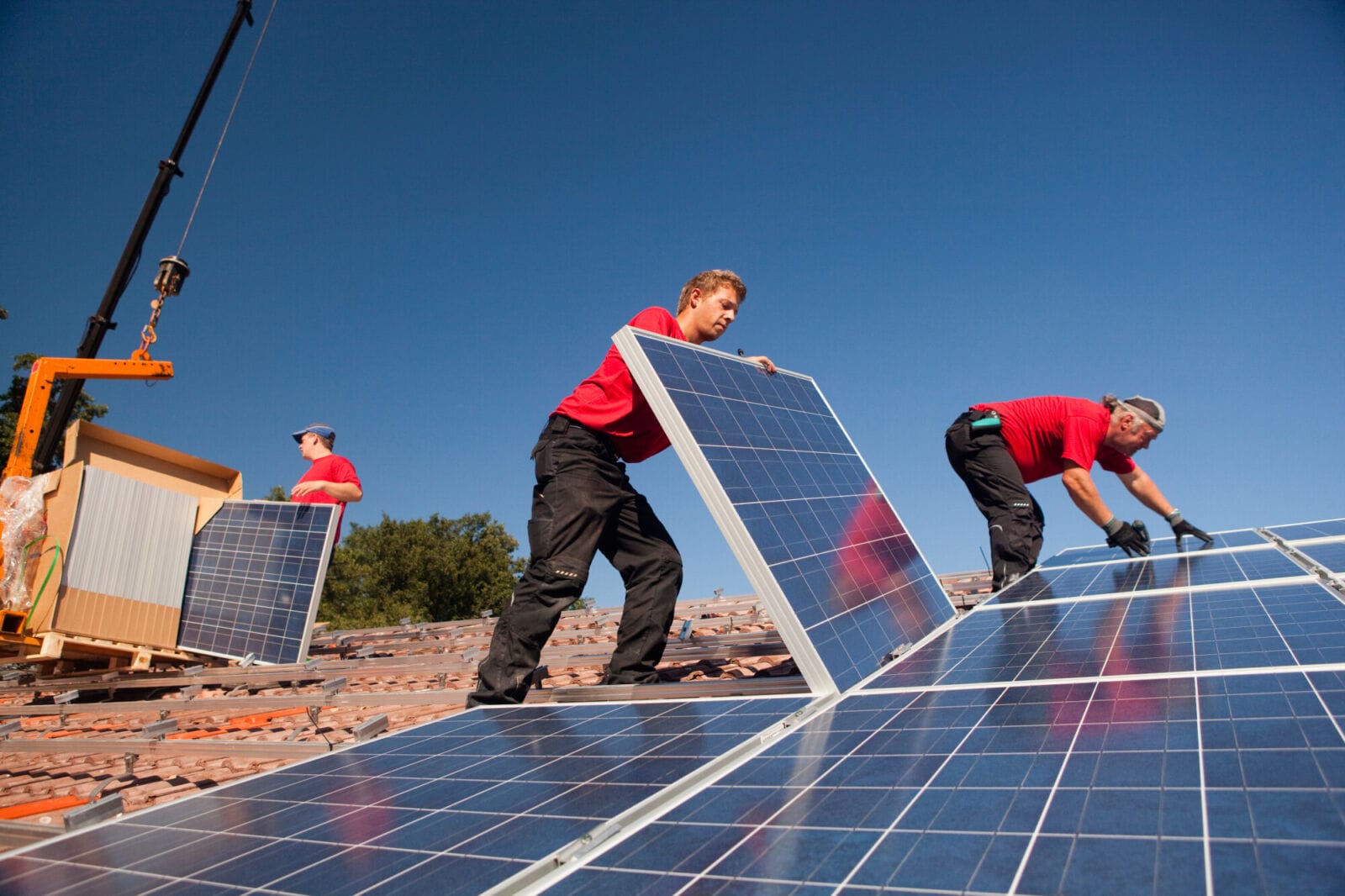
Community solar projects can also have a positive economic impact on the local area. Local workers are employed to build and then to continuously operate it. The same goes for related services and infrastructure, which could see increased investments. This indirectly helps to create jobs and stimulate the local economy through supporting projects.
Energy Equity and Inclusion
These solar programs help bridge the gap for those who previously lacked access to renewable resources. Renters, low-income households, and residents of multi-family buildings can all participate. This inclusivity ensures that clean power is not limited to property owners or those with significant financial resources. Widespread access promotes fairer distribution of environmental and financial benefits.
Grid Reliability and Resilience
The localized impact of additional solar generation can increase local grid robustness and operational efficiency. So, during peak times when power demand is high, distributed solar farms provide relief to centralized power sources. This diversification makes for a more robust infrastructure, preventing outages and disruptions. And participants can have assurance that their energy decisions are advancing a more resilient system.
Educational and Community Engagement
Many community solar projects also provide some educational element to increase awareness of renewable energy and sustainability. Learners might learn about stuff like solar panels, technology, and environmental impact. Such programs build a sense of shared responsibility and promote conversation on future energy decisions. This creates awareness on the part of the citizens, which reflects in a green economy.
Environmental Stewardship
By engaging in these initiatives, the entity showcases its dedication to protecting the environment. Subscribers directly help cut carbon and support wildlife-friendly land management. Pollinator habitats or native plantings that can spur local ecosystems are often included in many solar arrays. By sourcing decisions within the context and framework of these objectives, it can magnify every single contributor who makes choices to aid such an agenda, ultimately, a case-by-case effort.
Conclusion
From cost savings to fighting climate change, community solar programs provide several benefits. These initiatives help remove the barriers and expand access to renewable energy, making it a viable option for many. Community solar is a practical measure toward a cleaner, sustainable energy future, offering benefits that go beyond individual participants.