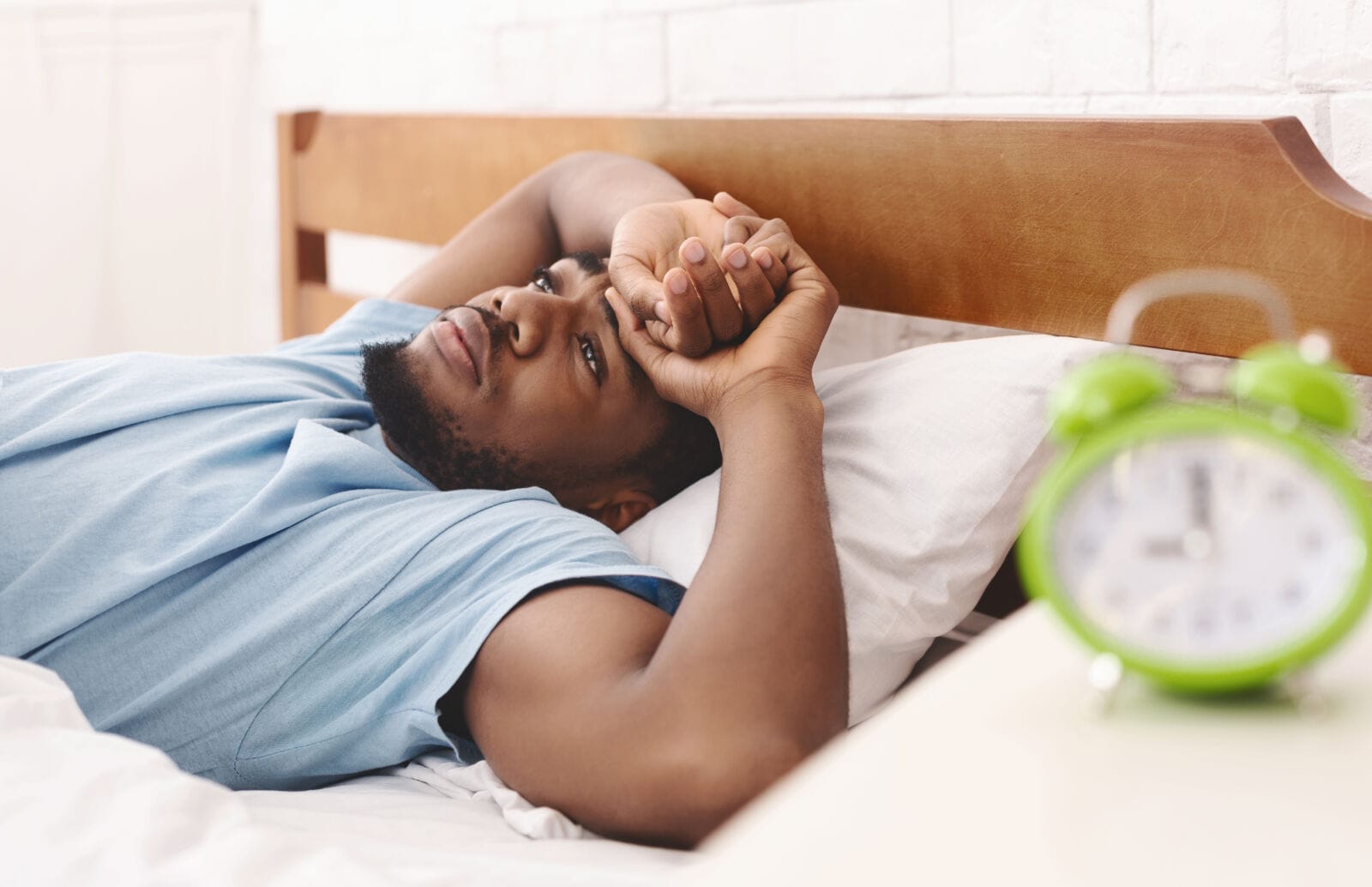
Sleep apnea is far more common than most people realize, and a surprising number of cases still go undiagnosed. Part of the problem is that traditional sleep studies require an overnight visit to a clinical facility, which many find inconvenient or simply unappealing. That hesitation leads to delays, sometimes lasting years. Today, portable diagnostic tools let individuals complete their assessment at home, in their own bed, turning what once felt like a major disruption into a simple overnight routine.
How Sleep Apnea Goes Undetected
Obstructive sleep apnea tends to creep in slowly. Snoring gets louder over time, mornings feel groggier, and headaches become a regular occurrence. Most people link these signs with stress or aging. A bed partner might notice pauses in breathing during the night, but the person affected rarely remembers them. Without proper screening, the condition can quietly persist, raising the likelihood of hypertension, cardiac complications, and difficulty concentrating during the day.
The Appeal of Home-Based Diagnostic Testing
Booking an overnight stay at a sleep clinic sounds simple enough, but life often gets in the way. Busy schedules, family obligations, and discomfort sleeping in an unfamiliar room keep many patients from following through. A portable monitor changes that equation entirely. The patient receives a compact device, wears it through a typical night of rest, and sends it back for clinical review. People considering an at-home sleep apnea test can finish the whole process without adjusting their weekly plans, which makes it far more likely they will actually complete the screening instead of putting it off month after month.
What a Portable Sleep Study Measures
A portable sleep study aims to measure these parameters:
Breathing Patterns and Airflow
Most home devices use a small nasal cannula sensor to track airflow while the patient sleeps. This information shows how often breathing slows or stops entirely. From these readings, clinicians calculate the apnea-hypopnea index, a key metric used to determine severity.
Blood Oxygen Levels
A fingertip pulse oximeter continuously logs oxygen saturation overnight. Repeated dips in the saturation line up closely with disrupted breathing episodes and help confirm clinical findings. Sustained drops also point to added stress on the cardiovascular system.
Chest and Abdominal Movement
Elastic belts worn around the torso pick up respiratory effort during rest. These readings help clinicians distinguish obstructive episodes, in which the airway physically collapses despite ongoing effort, from central events, in which the brain briefly stops signaling the muscles to breathe.
Comparing Lab Studies and Home Assessments
In-lab polysomnography is still considered the best option, especially for complex or overlapping conditions. It captures brain wave activity, eye movement, and muscle function alongside respiratory data. That said, for patients who show a moderate to high probability of obstructive sleep apnea with no serious comorbidities, portable monitoring produces dependable results at a fraction of the cost. Published research has demonstrated a strong correlation between home and lab findings in straightforward cases. Lower expenses and shorter wait times make portable devices a sensible starting point for a large number of individuals.
Who Benefits Most From Home Testing
Adults with chronic snoring, persistent daytime drowsiness, or a body mass index over 30 are strong candidates for portable monitoring. Physicians also suggest home assessments for patients whose clinical evaluation already points to a high probability of obstructive apnea. Those living with significant heart or neurological conditions may still require a supervised lab study, so guidance from a healthcare provider should always come first.
Steps After Receiving Results
After a board-certified sleep specialist interprets the recorded data, treatment recommendations depend on what the numbers reveal. Mild cases may improve with positional adjustments or an oral appliance worn during rest. Moderate to severe findings typically call for continuous positive airway pressure therapy, a bedside unit that delivers steady airflow through a fitted mask overnight. Lifestyle changes like weight management, reduced alcohol intake, and a regular sleep schedule also play an important supporting role at every severity level.
Conclusion
A home-based sleep apnea assessment takes the friction out of getting diagnosed. The process is straightforward, clinically validated, and causes minimal disruption to daily life. Catching the condition early allows for treatment that can reduce cardiovascular risk, restore daytime energy, and genuinely improve how a person feels each morning. For anyone who suspects their breathing is disrupted during rest, a conversation with a physician about portable monitoring is a practical and worthwhile first step.