The human body is an amazing machine that has the ability to heal itself. When we cut our finger, the skin joins together over time. When we break a bone, it heals slowly. But what happens when the damage becomes too great, or when the disease affects tissues that are more difficult to regenerate, such as cartilage or the nervous system? This is where regenerative medicine comes into play.
Forget everything you know about traditional treatments. Instead of just managing symptoms with drugs, modern clinical methodology now uses your body’s own repair kit to heal damage once considered permanent. Here is exactly how stem cell therapy works—without the heavy medical jargon.
What Exactly Are Stem Cells?
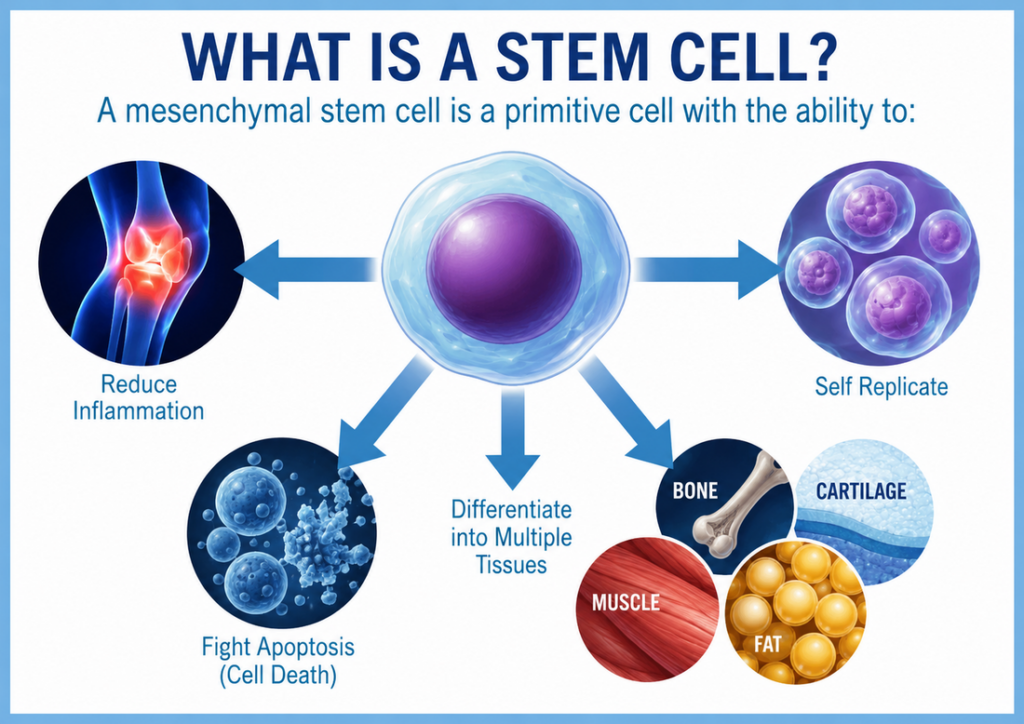
Think of stem cells as your body’s ultimate ‘wild card.’ The Mayo Clinic describes them as our ‘raw materials’—the only building blocks capable of generating all other specialized cells. When they divide, they can either remain stem cells or morph into cells with specific jobs, like brain cells, beating heart muscle, or solid bone. No other cell in the human body has this incredible ‘shapeshifting’ superpower. No other cell in the body has this natural ability to generate new cell types.
How Does Stem Cell Therapy Work?
Now that we know what they are, it is logical to ask how stem cell therapy works in practice.
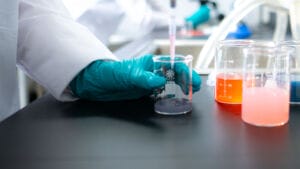
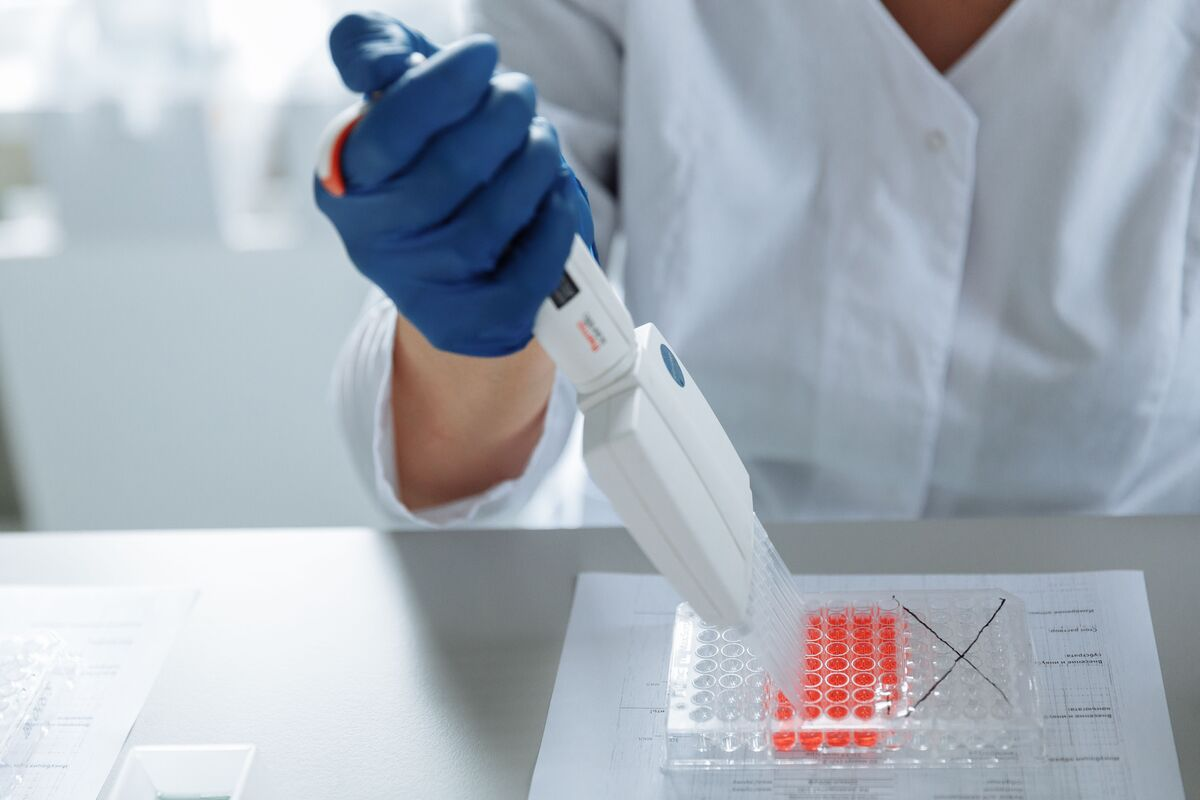
What does it look like in practice? Forget about complicated operations—the process is surprisingly elegant. First, a small sample of your fat tissue or bone marrow is taken. In the laboratory, these cells are isolated, purified and converted into one powerful, highly concentrated dose.
In the end, that biological medicine is injected exactly where it ”burns’—right into the knee destroyed by arthritis or into a torn muscle. There is no wandering around the body; your personal repair material is shipped directly to the job site and gets to work the same second.
Once at the site of injury, stem cells do three key things:
- Replace damaged tissue: Can transform into missing cells (eg cartilage cells).
- They send “SOS” signals: This is known as the ‘paracrine effect’. Stem cells release special proteins and growth factors that “call” other cells in the body to come and help repair tissue.
- Reduce inflammation: They effectively calm the immune system in the affected area, which directly reduces pain and swelling.
What Does Science Say?
Before any treatment becomes standard practice, it has to be backed by hard science. Today, there’s a wealth of solid research proving just how effective stem cell therapies actually are across completely different areas of medicine.
A study published in the prestigious scientific journal Nature details the potential of stem cells in regenerative medicine, highlighting their ability not only to repair damage, but also to restore organ function. The researchers say the therapy has huge potential in degenerative diseases where conventional drugs only mask the symptoms.
In addition, clinical research archived at the National Center for Biotechnology Information (NCBI/PMC) specifically emphasizes the role of mesenchymal stem cells (MSCs). These are the cells that are most often isolated from adipose tissue or bone marrow.
But stem cells do more than just rebuild tissue—they act as the ultimate ‘reset button’ for your immune system. Through a process called immunomodulation, they can literally train a confused immune system to stop attacking your own body. For autoimmune diseases, this is an absolute game-changer.
Also, we must not forget that bone marrow transplantation—which has been used for decades to treat leukemia and other blood diseases—is actually the first and best-known form of stem cell therapy.
Where Is the Therapy Mostly Applied?
Today, stem cell therapy is most successfully used in the following areas:
- Orthopedics and sports medicine: For the treatment of injuries to tendons, ligaments, disc degeneration and joint osteoarthritis. Instead of implanting an artificial knee, the body is given the chance to regenerate its own cartilage.
- Autoimmune and neurological diseases: Research is ongoing for diseases such as multiple sclerosis, where stem cells help restore damaged nerve tissue and calm inflammation.
- Aesthetic medicine and dermatology: For the treatment of scars, burns and skin regeneration at the cellular level.
Is It Safe?
The biggest advantage of using your own stem cells? Unmatched safety. Because you are not introducing anything foreign to your body, the risk of allergic reactions or immune rejection drops to virtually zero. Of course, for this to work, it still requires top-tier experts and strictly controlled clinical conditions.
Conclusion
This isn’t magic—it’s medicine at its absolute peak. Once you truly understand how stem cell therapy works, one thing becomes crystal clear: the most powerful medicine of the future won’t be a pill manufactured in a lab. It is already inside you.
In many cases, the most powerful medicine for our damaged tissues and joints is already within ourselves. Science has only given us the key to unlock it and use it where it is most needed.