Predictions made at the dawn of the internet age promised a more integrated world where physical distance would be no match for the world wide web. But even as technological advances made the digital frontier pocket-sized, feelings of alienation are widespread.
“We’re the loneliest society in human history, and it’s a serious health risk,” explains Todd Hornback, CEO and shareholder of Cohere. “We launched an impact report [in 2025], which found that only about half [of respondents] trust their neighbors or feel like they belong.”
That’s why Cohere positions itself as community builders rather than property managers. The goal, Hornback continues, is to inspire residents to make the neighborhood more than just a collection of houses.
LEARN MORE: Stacks on Polk uses containers as ‘Lego Bricks’ to build housing
AZRE magazine sat down with Hornback to learn more about his career, why cohesive communities benefit both residents and the bottom line, and how the built environment can encourage social bonding.
The following responses have been edited for clarity and length.
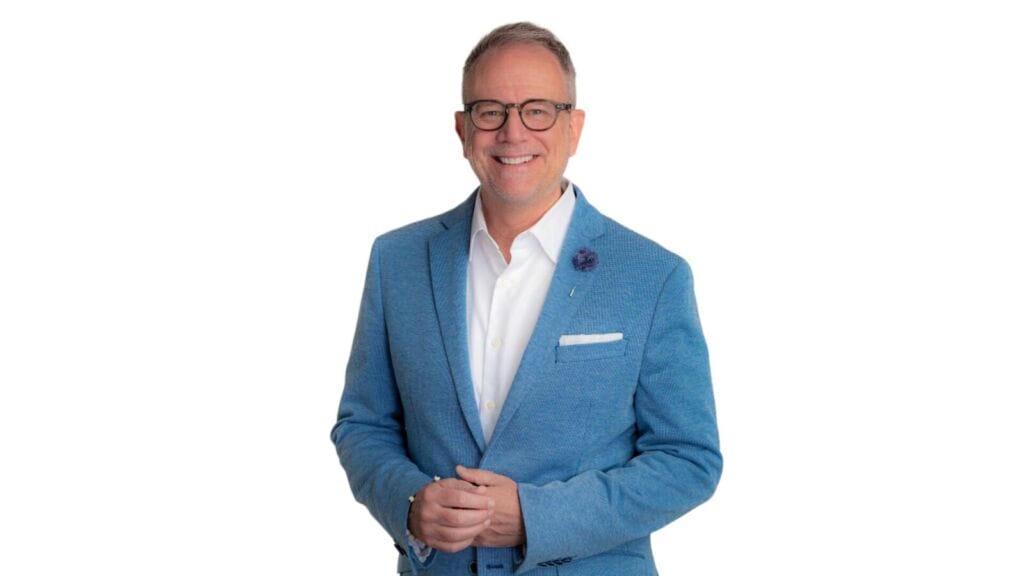
(Photo courtesy of Cohere)
AZRE: Could you start by telling us about your career path?
Todd Hornback: I started my career as a teacher working with students and coaching athletes. My plan was to continue down that path, but then I was introduced to the nonprofit sector, and I became a community organizer for a variety of grassroots organizations in L.A. and San Diego. That allowed me to take my coaching skillset into underserved communities, and I found my home in the nonprofit sector.
AZRE: How long did you work as an organizer?
Todd Hornback: I was about halfway through my career when I was recruited by a developer called DMB Associates, who are responsible for projects like DC Ranch and Verrado. They understood that what makes those places special is feeling a sense of belonging and having neighbors that care about one another. DMB believed that nonprofit leaders are natural organizers, so I was made the town manager of Verrado in 2005. I was essentially doing the same thing as before but applying my skillset for a different purpose.
AZRE: When did you become the CEO of Cohere?
Todd Hornback: After working for DMB for 15 years, they went through a corporate restructure and Cohere was born. At the beginning, we had five communities in Arizona, and that has grown to 40. We still work with DMB wherever they are, but we have about 15 different developer clients across eight states.
AZRE: The merits of an engaged, tight knit neighborhood can be hard to quantify. How do you explain the benefits of Cohere’s work to potential clients?
Todd Hornback: Our business is simply translating the power of community into real estate value. We’re the experts on how to plan, design, build and ultimately operate places that thrive because of the social cohesion between residents. People will pay a premium to live in a connected neighborhood, especially with the suburban sprawl we see here in the Valley. Beyond the financial incentive, we also want to fight back against the loneliness epidemic, which has a very real impact on health and wellbeing.
AZRE: What can be done to foster a sense of solidarity within a community?
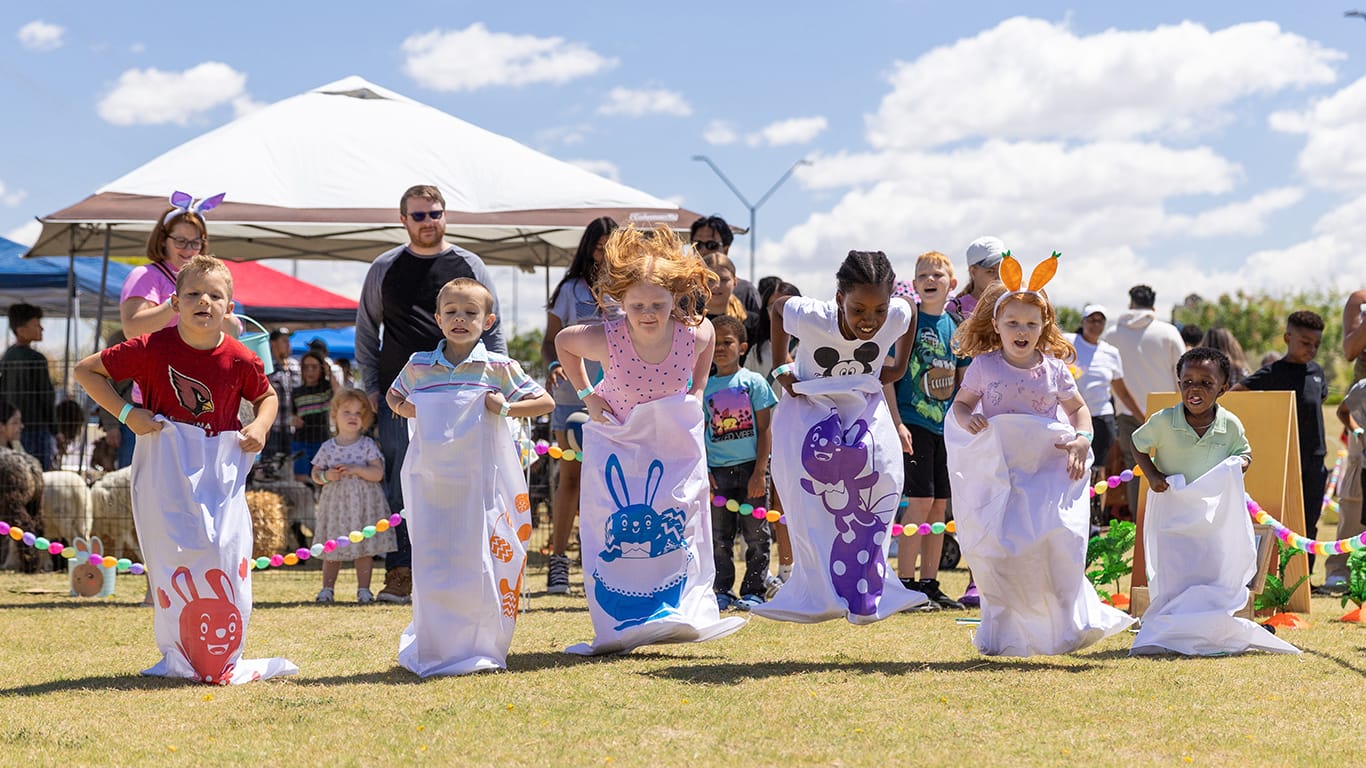
Todd Hornback: The first thing we do is help developers understand why they should focus on people-forward design instead of putting buildings and operations first. That means shaping the built environment in a way that helps people come together, which encompasses everything from how wide the streets are to the walkability of the community. What we’re looking for are “free-range children” — if there are kids running around, that shows a high level of trust and care in the neighborhood.
In the big picture, we only serve a small slice of the population, but we’re going to be relentless about creating communities based on authentic relationships and shared responsibility. There is a choice to build places that either bring people together or keep them apart.