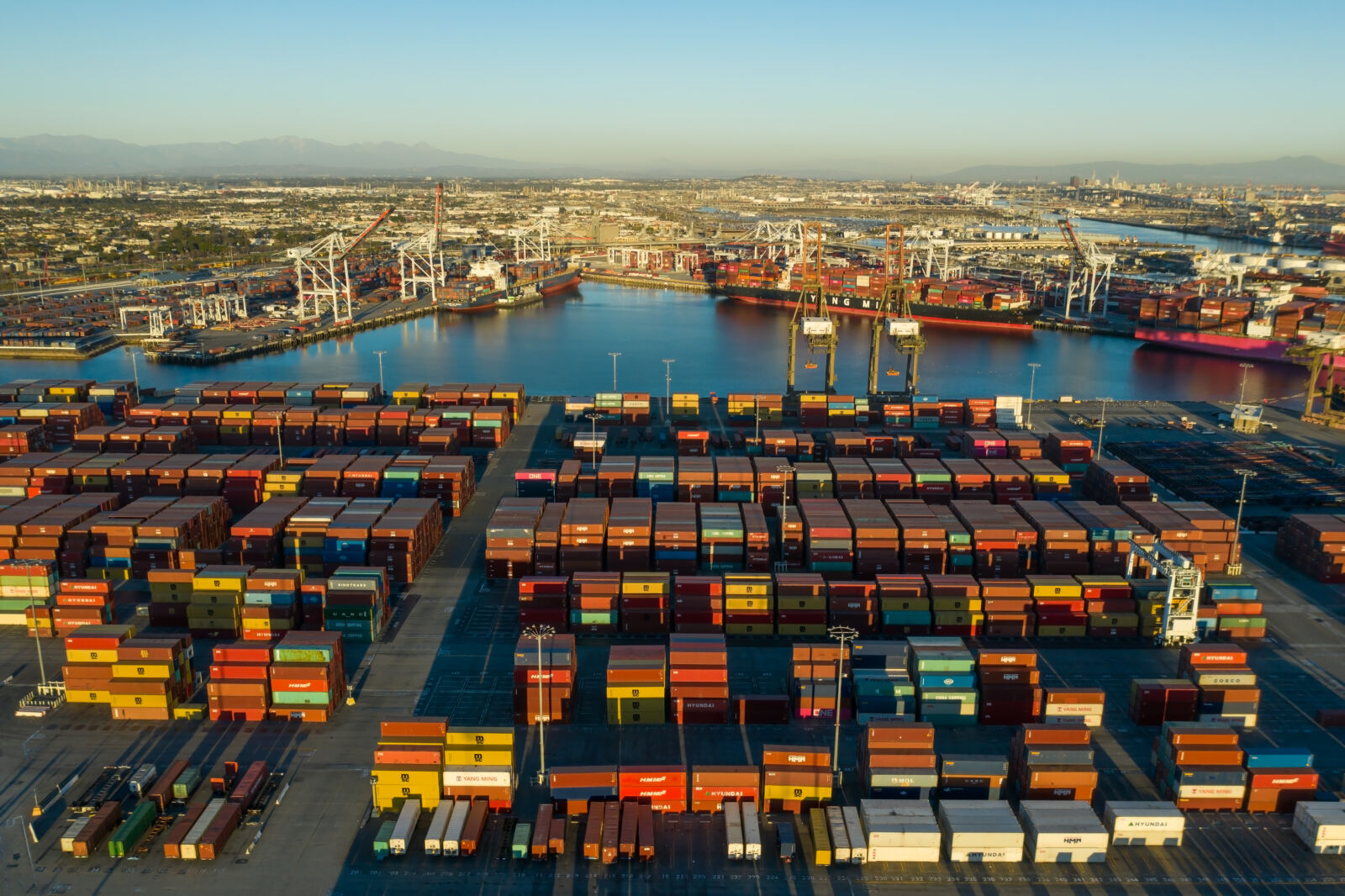
Today’s economy is global, with countries across the world engaging in commerce. The Grand Canyon State is no exception — the value of Arizona exports in 2024 was $32.2 billion, while imports totaled $42.2 billion, according to the University of Arizona’s MAP Dashboard. While free trade policies have been supported by both parties in the past, the Trump Administration’s willingness to impose tariffs represents shifting sentiments around the benefits of international trade — the consequences of which are being felt across multiple industries, including construction.
“In addition to the volatility of pricing, [tariffs] bring unpredictability,” explains Courtney Dunlap, president of Benson Construction. “Not knowing what might happen next is what has everyone biting their fingernails.”
LEARN MORE: Here’s how land use patterns are changing in Arizona
When tariffs go into effect and cause price hikes, Dunlap says a plan can be made because there is a defined increase. But when a general contractor is trying to create a project budget, vendors and subcontractors are turning in quotes that are good for 30 days and exclude any tariffs.
“Everybody is passing that responsibility to the next layer of contract relationship, up to the general contractor,” Dunlap continues. “But if a general contractor signs an agreement without negotiating who will pay for potential tariff increases, they end up eating the costs.”
The role general contractors play in the construction market means they are often in a difficult position between subcontractors and developers. If a subcontractor refuses to include additional tariffs, the general contractor has to find another company that can execute a large project, which Dunlap says can be difficult. Even then, there’s no guarantee that the next subcontractor will agree to exclude cost increases caused by tariffs.
“But if you present pricing to a developer that has a ton of money in it for tariffs, they move on to the next company or kill the deal,” he says. “The owner-developer should bear the responsibility of the tariffs because they’re getting the benefit of the built asset that can be put into operation or sold. We’re working ourselves out of a job as soon as it starts — we only get one swing at bat.”