Keeping children engaged demands creative approaches that blend entertainment with active discovery. Parents often search for simple ways to keep young minds curious throughout the whole year.
Simple day activities can turn routine afternoons into meaningful learning moments. With a few thoughtful ideas, daily schedules transform into memorable growth opportunities.
Seasonal Camp Experiences and Daytime Programs
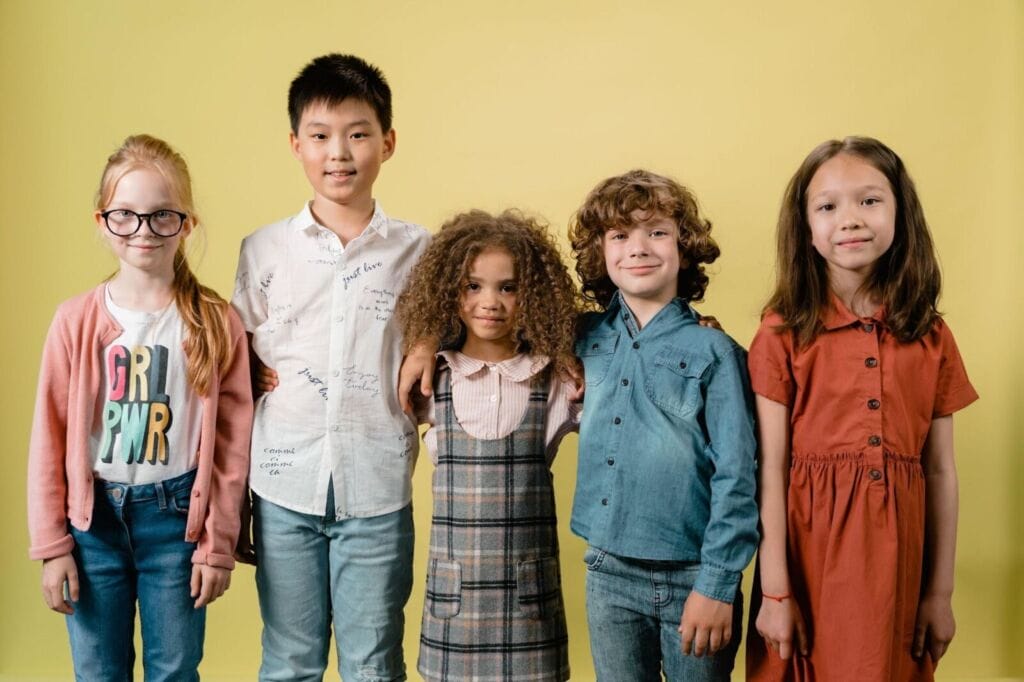
Day camps offer structured settings where children try new activities and build social bonds. Group settings allow young people to step out of their comfort zones in safe environments. Experienced counselors guide children through creative projects and outdoor sports.
Finding the right summer program helps parents maintain balanced schedules during long breaks. Families searching the term “summer camp near me” can explore local community centers that offer structured day programs. Structured environments help children build confidence through fun team games and craft projects.
Day programs encourage independence away from usual home routines. Campers learn responsibility by managing their personal belongings during group outings. Young participants return home with fresh skills and long-lasting friendships.
Outdoor Exploration and Nature Walks
Stepping outside offers instant engagement for children of every age group. Nature trails present endless opportunities to observe insects, trees, and changing seasonal colors. Children learn science concepts naturally when touching tree bark or observing bird nests.
Parents can turn a simple neighborhood walk into an exciting scavenger hunt with a basic checklist. Kids can search for smooth stones, pine cones, or unique leaf shapes. A quick game sharpens observation skills without feeling like schoolwork.
Outdoor movement keeps children active and supports healthy physical development. Fresh air helps reset energy levels after hours spent indoors. Daily outdoor time builds confidence as kids explore new environments.
Hands-On Science Experiments at Home
Kitchen counters often serve as great laboratories for basic scientific discovery. Mixing baking soda with vinegar creates an exciting chemical reaction that delights young viewers. Simple ingredients turn standard afternoons into interactive chemistry sessions.
An educational resource noted that top learning projects for youth do not require pricey supplies or detailed instruction guides. Parents can use household items like food coloring, paper towels, and plastic cups for fun experiments. Everyday objects provide rich learning moments without extra financial costs.
Kids practice predicting outcomes when testing which household items sink or float in water. Documenting observations in a small notebook builds basic recording skills. Science at home encourages curiosity about how the world functions.
Team Sports and Group Recreational Games
Group sports teach valuable lessons that extend far beyond physical fitness. Playing on a field helps children learn how to communicate effectively with teammates. Shared victories and losses teach emotional maturity and resilience.
A publication focusing on lifestyle trends highlighted that participating in group sports such as basketball and soccer assists youth in developing strong teamwork and social bonds. Regular practice builds physical coordination and sharpens quick decision-making under pressure. Team dynamics encourage youngsters to support peers during challenging moments.
Local recreational leagues offer accessible entry points for kids of various skill levels. Weekend games give families opportunities to gather and cheer for young athletes. Active play keeps kids healthy and forms positive habits early in life.
Creative Arts and DIY Craft Projects
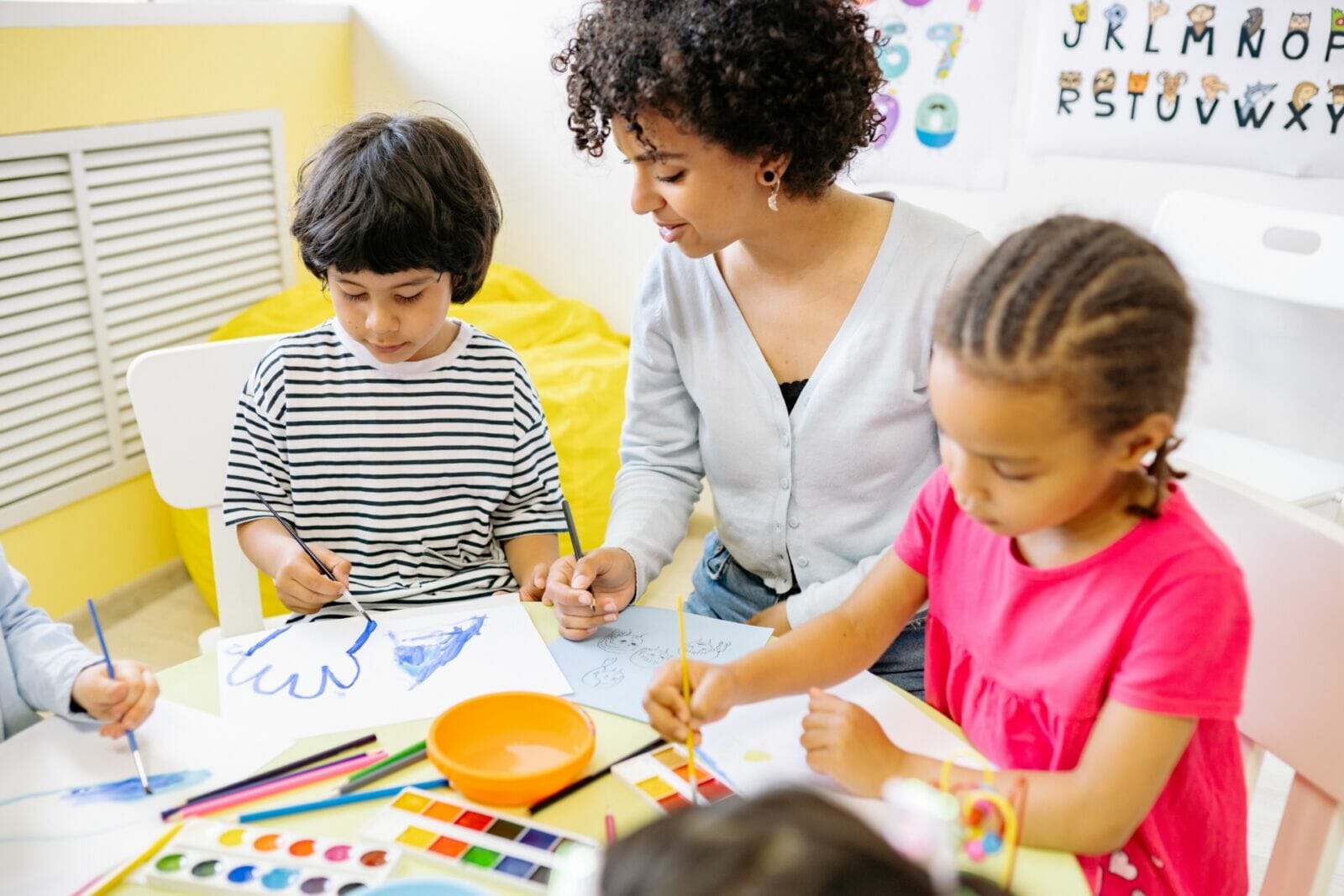
Art projects allow children to express feelings without using complex words. Working with clay, paints, or construction paper strengthens fine motor skills in younger kids. Creative freedom gives children a sense of control over their artistic decisions.
Crafting with recycled materials teaches kids about sustainability and sparks imagination. Children can turn card boxes and plastic bottles into imaginative creations:
- Cardboard boxes transform into mini fortresses or playhouses.
- Plastic bottles become colorful planters for small indoor seeds.
- Egg cartons convert into sorting trays for beads or buttons.
Displaying finished artwork around the home boosts self-esteem and pride. Children feel validated when family members celebrate their creative efforts. Regular crafting sessions encourage patience as projects take shape step by step.
Structured Summer Programs and Skill Building
Structured summer programs offer organized environments where children stay active when school is out. These settings blend outdoor play with educational workshops to keep young minds sharp. Attending regular sessions builds consistency in weekly summer routines.
Industry data from 2025 revealed that 78% of parents view camp experiences as crucial components of childhood development. Youth programs provide balanced environments where children gain independence away from family settings. Group activities build social connections that last long after summer ends.
Selecting a program relies on child interest, location, and daily cost. Local options often range from $150 to $350 per week depending on facilities and activities offered. Quality programs provide lasting benefits for growing children.
Combining play with learning supports healthy growth across all age groups. Small daily activities create lasting memories and strengthen practical skills for the future.
Exploring new creative projects or outdoor games keeps childhood exciting and engaging. Simple ideas bring families closer together through shared moments of discovery.