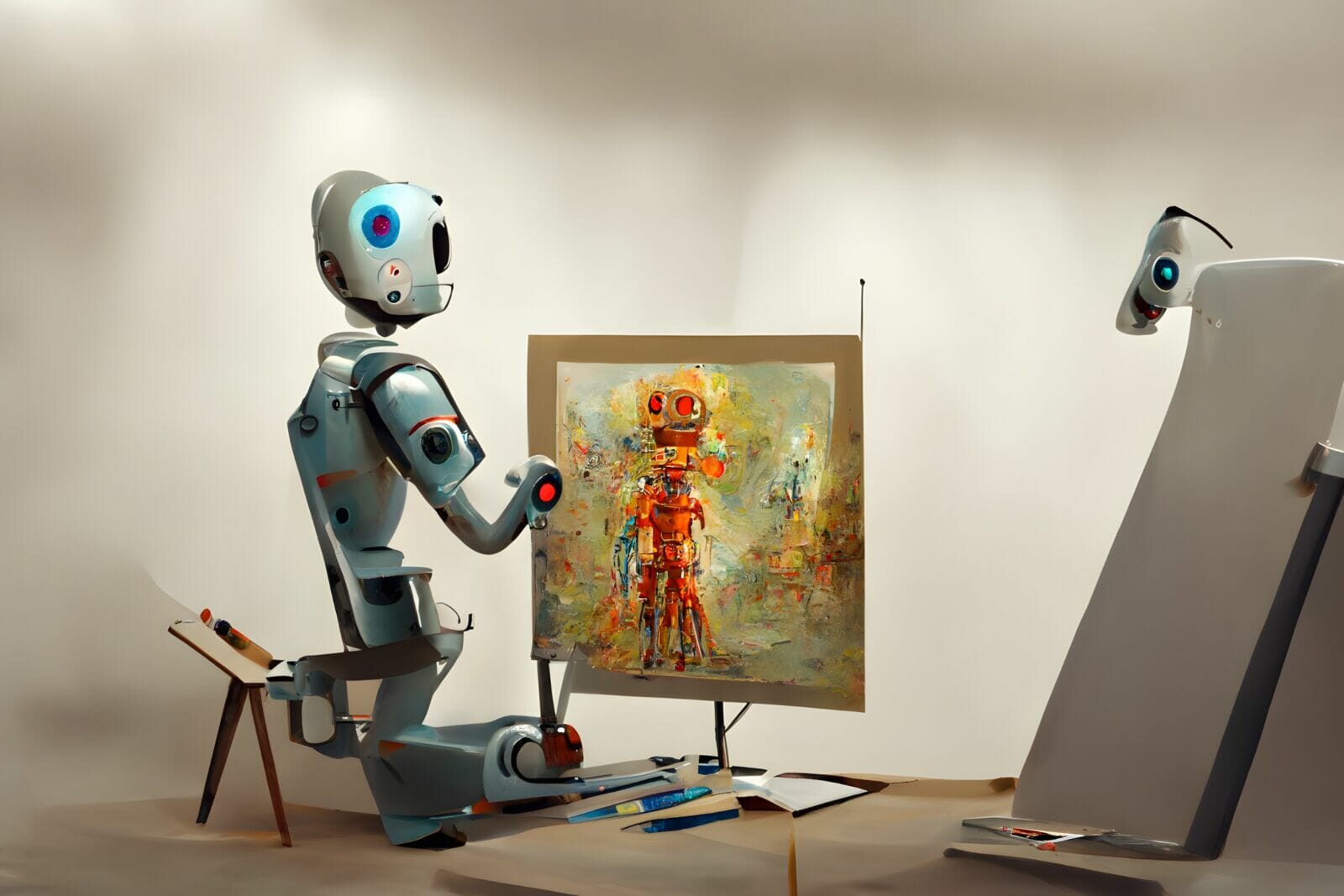
Creative work has always lived in the gap between imagination and execution. You can picture the idea clearly: a campaign mood, a character concept, a product scene, a brand world. But transforming that vision into polished visuals has traditionally demanded time, specialized tools, and endless rounds of revision.
That’s why the combination of AI image generators and image-to-video AI workflows is reshaping modern design. Not by replacing creative professionals, but by shrinking the distance between concept and output. What used to take days to visualize can now be explored in a fraction of the time, allowing designers to spend more energy on direction, taste, and storytelling instead of repetitive production labor.
This article isn’t a tutorial and won’t walk through step-by-step processes. Instead, it looks at what these tools unlock for creative teams, why the pairing matters, and how this approach changes the way design ideas become finished content.
A new baseline: visuals are no longer confined to still frames
For years, many teams treated images as the foundation and video as the expensive “extra.” First you designed the key visual, and then—if budget and timelines allowed—you turned it into motion.
AI changes that relationship. A still image becomes a starting point rather than a final destination. Designers can explore multiple visual directions quickly, select the strongest look, and then expand that world into motion that carries mood, energy, and narrative. In that sense, motion becomes part of ideation instead of a separate production phase.
Why the pairing matters: variety meets impact
AI image generator excels at exploration. They make it easy to test style, composition, environment, lighting, and overall artistic direction. Image-to-video AI excels at amplification. It takes a chosen visual direction and adds life through movement, timing, and cinematic presence.
When these two capabilities are combined, creative teams gain a workflow that supports both breadth and depth. There’s space to explore widely, then commit thoughtfully, then develop the chosen direction into something that feels dynamic and attention-grabbing. The advantage is not only speed. It’s range. More concepts can be tested, which increases the odds of discovering something genuinely distinctive.
READ MORE: Here’s why the Arizona economy is poised to accelerate
LOCAL NEWS: Want more stories like this? Get our free newsletter here
Creative direction becomes concept-first again
Many creative decisions have historically been limited by production reality. A concept may be exciting, but if it requires too many locations, too much animation, or too many assets, it gets simplified early. The result can be safe work that looks fine but lacks magic.
AI reduces that “execution tax.” When the cost of visualizing an idea drops, designers gain the freedom to push further. You can explore surreal worlds, high-fashion editorials, cinematic realism, playful animation aesthetics, or minimalist graphic styles without committing to a full production plan from the start. That shifts the creative center of gravity back toward what really matters: the concept, the message, and the emotional tone.
Motion makes design more memorable
A beautiful still image can stop a scroll. Motion can hold attention long enough for the message to land. Even subtle movement—camera drift, fabric flutter, ambient light changes, a gentle push-in—can dramatically increase perceived quality and emotional pull.
This is one reason image-to-video AI has become so relevant for marketing, social content, and modern branding. Much of today’s most effective creative lives in short bursts: micro-scenes, looping moments, transitions, and animated hero visuals. Motion doesn’t have to mean a complex narrative. Sometimes it simply means making a world feel alive.
Iteration becomes the creative advantage
Traditional production encourages caution because every change costs time and money. AI-based workflows encourage experimentation because iteration becomes inexpensive. That shift alters how teams work. Instead of polishing one direction for a long time, teams can explore multiple tones, styles, and audience angles, then refine based on feedback or performance.
This isn’t just about producing more assets. It’s about creating better decisions. When options are easy to generate, the role of the creative team becomes clearer: choose the strongest direction, define the visual language, and shape it into content that works.
Where this approach shines in real creative work
In marketing campaigns and performance ads, speed and volume matter, but so does freshness. AI helps teams generate more campaign angles and visual “worlds,” and image-to-video extends those worlds into motion assets that feel native on modern platforms.
In brand identity exploration, an image generator helps teams quickly experiment with visual language, while motion reveals how that identity behaves in time. This is especially valuable for brands that rely on video-first channels, where a static logo and palette are only part of the story.
In product storytelling and e-commerce, visuals don’t just show an item; they sell a feeling. AI makes it easier to generate lifestyle contexts and stylized scenes, while image-to-video adds energy to product reveals, texture highlights, and atmosphere-driven hero moments.
In creator content, consistency is everything. AI can help maintain a recognizable visual style while keeping output fresh. Motion can elevate everyday content into something that feels more cinematic without demanding complex editing skills.
In storyboarding and pitching, animated concept frames can communicate tone, pacing, and emotional intent more clearly than static boards. That can help stakeholders align faster, especially when the goal is to approve a direction rather than polish a final cut.
Designers still own what matters most
AI can generate variations, but it doesn’t replace creative judgment. In fact, having more options increases the value of strong taste. The designer’s role becomes even more essential in areas like brand fit, visual hierarchy, narrative clarity, and emotional resonance.
The real creative work still lives in decisions. What mood best expresses the brand? What composition makes the message instantly readable? What motion enhances the story instead of distracting from it? AI can offer possibilities, but designers shape meaning.
The future is creative systems, not one-off assets
The biggest shift is not just faster production. It’s a different model of content creation. Brands are moving toward creative systems: a consistent visual language that can produce many variations, adapt to platforms, and evolve based on real-world response.
AI image generators and image to video ai workflows fit that future well. They support scale without forcing creativity to become generic. When guided by a clear strategy and strong design direction, these tools help teams create more, test more, and ultimately learn faster.
Closing thought: more time for creativity to be creative
For many teams, the bottleneck isn’t ideas; it’s execution overhead. AI reduces that overhead, giving creative people more room to explore concepts, refine storytelling, and craft work that feels alive.
Still images become worlds. Worlds become motion. Motion becomes identity.
That’s why this workflow isn’t just a trend in tools—it’s a new baseline for how modern creative design moves from imagination to impact.