
Fundraising events sit at the intersection of purpose and pressure. On one hand, they’re powerful moments where your mission becomes visible, personal, and shareable. On the other, they can feel like a maze of spreadsheets, deadlines, volunteer coordination, and last-minute changes.
For membership organisations, charities, and associations, the challenge is rarely enthusiasm; it’s structure. Teams often know what they want to achieve but struggle with how to turn a good idea into a well-run, repeatable process.
This fundraiser guide offers a practical framework you can adapt for almost any format, from a formal gala to a virtual giving day. It’s designed to help you plan with clarity, reduce risk, and create a better experience for both donors and organisers.
If you’ve been looking for a straightforward way to understand how to plan a successful fundraising event, start here.
Why Fundraising Events Still Matter
Digital fundraising has opened up new channels, but live and shared experiences still play a unique role. Events create emotional connection. They give supporters a reason to gather, listen, and feel part of something larger than a transaction.
For membership organisations fundraising events also serve a second purpose: strengthening relationships. A well-run fundraiser can introduce new supporters to your community, re-engage inactive members, and give long-term donors a visible reminder of why they care about your cause.
The challenge is turning that opportunity into a smooth, organised experience rather than a stressful one.
That’s where clear, fundraising event planning steps make all the difference.
Step 1: Start With Outcomes, Not Activities
It’s tempting to begin with the event itself — “Let’s do a dinner” or “We should run a charity walk.” Instead, begin by defining what success looks like in concrete terms.
Think in outcomes, not just actions. For example:
- Raise $15,000 to fund a specific programme
- Attract 50 first-time donors
- Secure two new corporate sponsors
- Increase local awareness of your organisation
Once your goals are clear, decide who the event is really for.
Your target audience might include:
- Existing members and supporters
- Local families or community groups
- Professionals and business leaders
- Online audiences outside your region
This decision will influence everything from the tone of your marketing to the way people are asked to give. A relaxed, social event may work well for community outreach, while a more formal setting may suit major donors and sponsors.
Clear goals and a defined audience give your planning focus and prevent “scope creep” later on.
Step 2: Match the Format to Your Reality
There’s no “best” type of fundraising event, only what works best for your organisation right now.
Broadly, most events fall into three categories:
- In-person (galas, lunches, runs, fairs, open days)
- Online (virtual auctions, livestream appeals, donation drives)
- Hybrid (physical events with digital fundraising or streaming elements)
When choosing, be honest about your capacity. Ask how many people can realistically help organise this? How much time do we have? What technical support is available? What does our audience prefer?
A small team might run an excellent online campaign with strong peer-to-peer sharing, while a larger association may benefit from an annual flagship event that becomes part of its identity.
The most effective events feel achievable for the organizers and effortless for the supporters.
Step 3: Build a Budget That Protects Your Time and Energy
A clear budget isn’t just about money, but also about reducing stress.
Start by listing all potential costs, including the venue or platform fees, catering or refreshments, audio-visual and technical support, marketing and printing, decorations and signage, any required insurance or permits, and payment processing fees.
Then map out your income sources:
- Ticket sales or registrations
- Direct donations
- Sponsorships
- Auctions, raffles, or merchandise
Many organisations underestimate the value of non-cash support. In-kind donations, such as venue space, food, printing, or prizes, can significantly reduce your expenses while giving local businesses positive exposure.
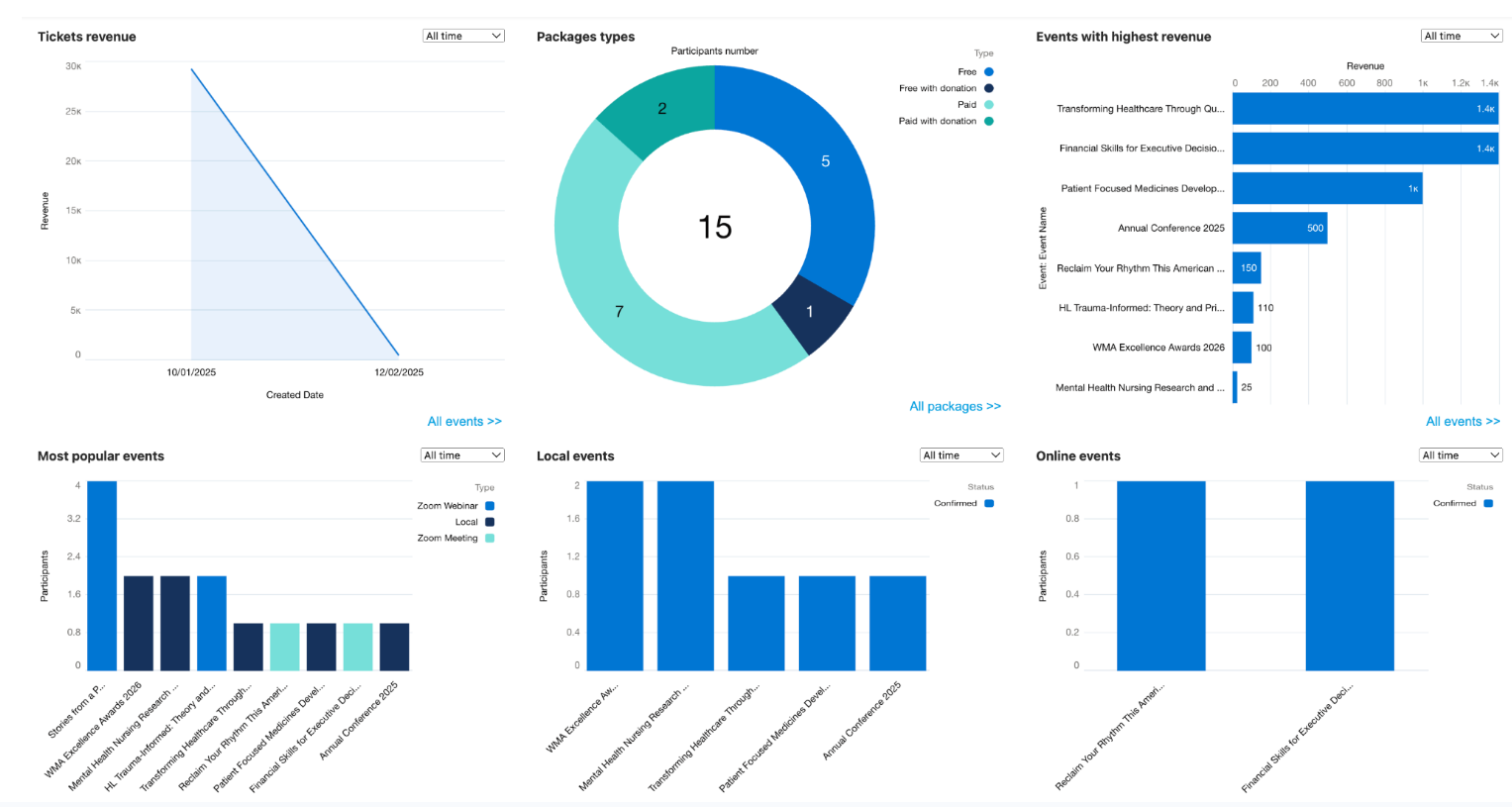
At this stage, having a central system to track pledges, ticket revenue, and sponsorship commitments can save hours of manual work. This is where membership management and event tools on Salesforce are often used by associations to keep financial data, contacts, and communications in one place rather than scattered across spreadsheets and inboxes.
A realistic budget gives you permission to make confident decisions instead of second-guessing every choice.
Step 4: Design Your Team Before You Recruit It
Rather than asking people to “help out,” define the roles first.
Typical event functions include:
- Overall coordinator
- Marketing and communications lead
- Volunteer manager
- Finance and donations tracker
- On-the-day logistics or technical support
- Host or speaker liaison
Once the roles are clear, it becomes much easier to match people to tasks.
Volunteers are more engaged when they know exactly what they’re responsible for. A person assigned to “guest check-in” or “social media updates” feels far more useful than someone asked to “just be around.”
Board members and senior supporters can also play strategic roles, such as introducing sponsors, inviting peers, or making short appeals during the event.
A simple shared document outlining who does what and when can prevent confusion and last-minute pressure.
Step 5: Lock In the Time and Place
The setting of your event shapes how people experience it before it even begins.
- For physical events, look for spaces that are easy to access, appropriate for your audience size, and aligned with the tone of your organisation.
Community centres, schools, and local businesses often offer discounted or donated space for charities, particularly if they receive recognition in return. - For virtual events, choose a platform that is simple for guests to use, supports your donation process, and an handle your expected attendance.
Test everything in advance, especially if you plan to include live speakers, videos, or on-screen donation prompts.
When selecting a date, avoid major holidays and local events that may compete for attention. Give yourself enough lead time to promote properly. Three to six months is ideal for most medium to large fundraisers.
Step 6: Build a Story, Not Just a Campaign
People don’t give because of schedules and agendas. They give because they care about outcomes and impact.
Your marketing should focus less on what’s happening and more on why it matters.
A strong event story usually includes:
- The problem your organisation is addressing
- The people or community affected
- What will change if the event is successful
Use this story across your channels, such as email newsletters, social media posts, event pages on your website, partner and sponsor communications, and local media or community boards.
Every message should make it easy to take the next step: register, donate, share, or invite someone else.
Visual content helps. Photos from past events, short quotes from beneficiaries, or behind-the-scenes updates make your work feel tangible rather than abstract.
Step 7: Make Giving Simple and Friction-Free
The best donor experience is one that doesn’t require instructions.
Prepare a clear plan for how people will:
- Check in or register
- Learn about your cause during the event
- Make a donation or purchase a ticket
- Get follow-up information afterwards
Common tools include QR codes linking to mobile donation pages, text-to-give options, online forms for virtual events, and tablets or kiosks at physical venues.
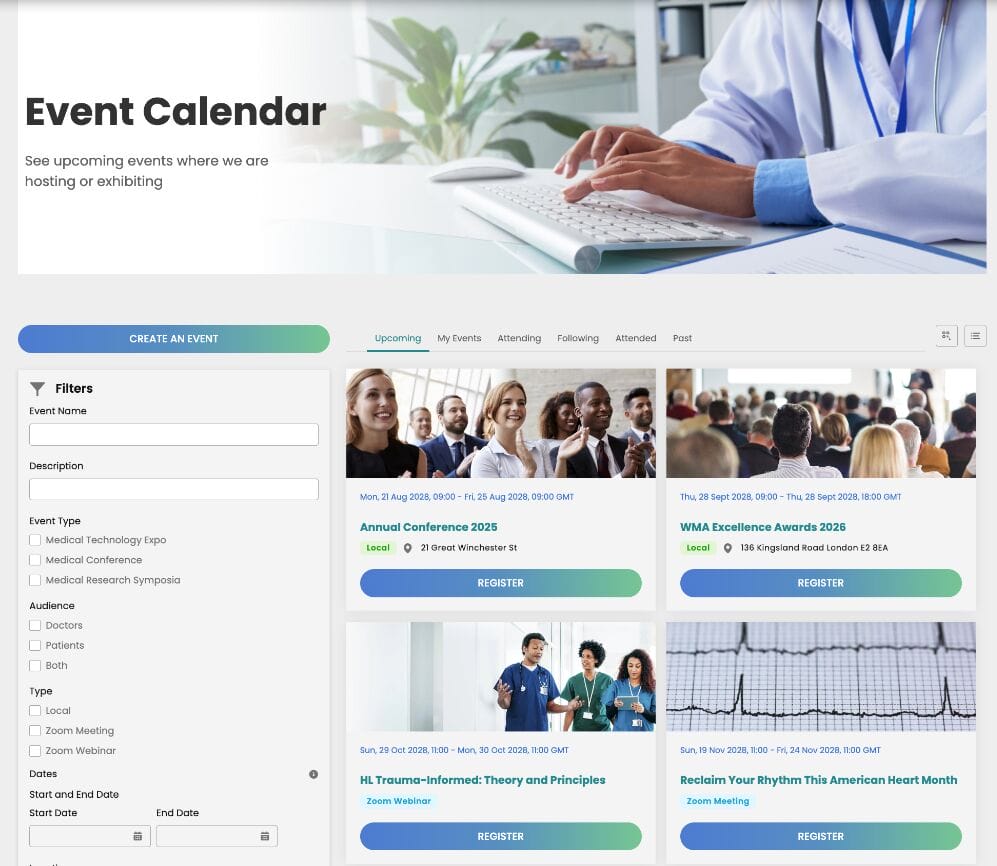
Many membership organisations use platforms like AC MemberSmart with its event management features to combine registrations, payments, and communications in a single system. This helps ensure that every supporter is automatically recorded for follow-up, reporting, and future engagement.
Create a simple run-of-show for your team so everyone knows when donation moments, sponsor acknowledgements, and key messages will happen.
Step 8: Turn Attendance Into Participation
An audience that listens is good. An audience that participates is better.
Look for ways to make supporters feel part of the outcome, not just observers.
Ideas include:
- Live fundraising targets displayed on screen
- Short challenges (“Let’s reach £1,000 in the next 5 minutes”)
- Public thank-yous to donors and volunteers
- Encouraging social sharing during the event
Storytelling is especially powerful here. A short personal account from someone your organisation has helped can turn abstract goals into something people feel emotionally connected to.
Recognition matters. People who feel appreciated are more likely to stay involved long after the event ends.
Step 9: Close the Loop With Gratitude and Insight
The follow-up phase is where one-time donors become long-term supporters.
Start by saying thank you. Quickly and sincerely. Use personalised emails, social media posts, and public acknowledgements for sponsors and volunteers
Then share the results. Tell the people the total funds raised, what those funds will be used for, and next steps for your organisation.
Internally, take time to review what marketing channels performed best, where people dropped off or disengaged, and which roles or processes caused bottlenecks.
Document these insights. They become your internal charity event checklist for next time.
Bringing It All Together
Planning a fundraising event doesn’t need to feel like starting from scratch every year. With a simple, repeatable framework, your team can move from ideas to action with far less uncertainty and far more confidence.
These nine steps create a structure you can scale up or down depending on the size of your event, your audience, and your resources. Over time, they become a system.
If you’d like to explore tools that help streamline registration, donations, and supporter communication, particularly for organisations already using Salesforce, you can learn more about Salesforce-native tools like AC MemberSmart.
With the right structure in place, your next fundraiser can do more than meet a target. It can build a stronger, more connected community around your mission.