Finding a gift that feels personal can be harder than it should be. Many people want to give something meaningful, but the usual choices often feel rushed, predictable, or too easy to forget. Antique gifts solve that problem because they carry age, craft, and character before they even reach the recipient. A well-chosen piece can reflect someone’s taste, hobby, home, or life story in a way a mass-produced item rarely does. The key is choosing with care. You do not need to be an expert collector to give a thoughtful antique. You need to understand what makes the item special, why it suits the person, and how it can become part of their everyday life or collection.
Match the gift to their interests
A strong antique gift starts with the recipient, not the shop shelf. Think about what they already enjoy. Do they collect animal pieces, love Paris, enjoy gardening, read old books, or host dinners? Their interests can guide you toward something they will actually use or display. For a traveler, a vintage map, a small globe, or souvenir can feel personal. For someone who loves fashion, a compact mirror, beaded purse, or antique brooch may work well. For a homebody, consider a small clock, vase, or framed print. This approach prevents the gift from feeling random.
Give collectibles with real charm
Small collectibles work well when you want a gift that feels special without taking over someone’s space. They also suit people who already enjoy collecting by theme, such as animals, travel, flowers, holidays, fashion, or fine art. The best pieces have clear detail, good condition, and a reason they match the recipient. A cat lover may enjoy a small vintage feline figure. A Francophile may appreciate hand-painted porcelain or a Paris-themed keepsake. Collectibles like Limoges boxes can be especially meaningful because they combine fine craft, miniature detail, and giftable size. Before buying, check markings, hinges, paint quality, and seller information. A charming collectible should feel carefully chosen, not like clutter.
Choose jewelry with meaning
Antique jewelry makes a memorable gift when you choose it with the person’s style in mind. Avoid buying only because a piece looks old or expensive. Pay attention to what the recipient already wears. Some people love small gold lockets, while others prefer bold rings, cameo brooches, or simple pearl pieces. Check the clasp, stones, setting, and any signs of repair before buying. A good seller should explain the age, materials, and condition clearly. Jewelry with initials, birthstones, floral details, or symbols can feel especially personal. It also helps to include a note about why you chose it. That small detail turns a pretty object into something the recipient can connect with.
Pick decor they can live with
Decorative antiques can make beautiful gifts, but they need to suit the recipient’s home. A large, formal piece may feel difficult to place, even if it is valuable. Smaller objects often work better because they fit shelves, desks, bedside tables, and display cabinets. Think about color, size, and mood. A person with a calm, simple home may prefer a small porcelain dish or framed botanical print. Someone with a bold style may enjoy a painted box, carved figure, or unusual table piece. Condition matters here. Chips, cracks, and heavy wear may bother some people, while others enjoy signs of age. Choose decor that feels easy to keep, clean, and enjoy.
Antique books that hold lasting value
Books can make excellent antique gifts when they connect to a person’s interests. A history enthusiast may appreciate a well-preserved volume about a favorite period, while a literature lover may enjoy an older edition of a beloved novel. Condition matters, but age alone does not determine value. Many collectors pay attention to edition, publisher, illustrations, binding quality, and subject matter. Gift buyers should focus on relevance before rarity. An antique gardening book for an avid gardener often feels more thoughtful than a valuable book on a topic they never read. Check for missing pages, loose bindings, water damage, and heavy writing inside. A reputable bookseller can help verify details and provide useful background information.
Make the presentation memorable
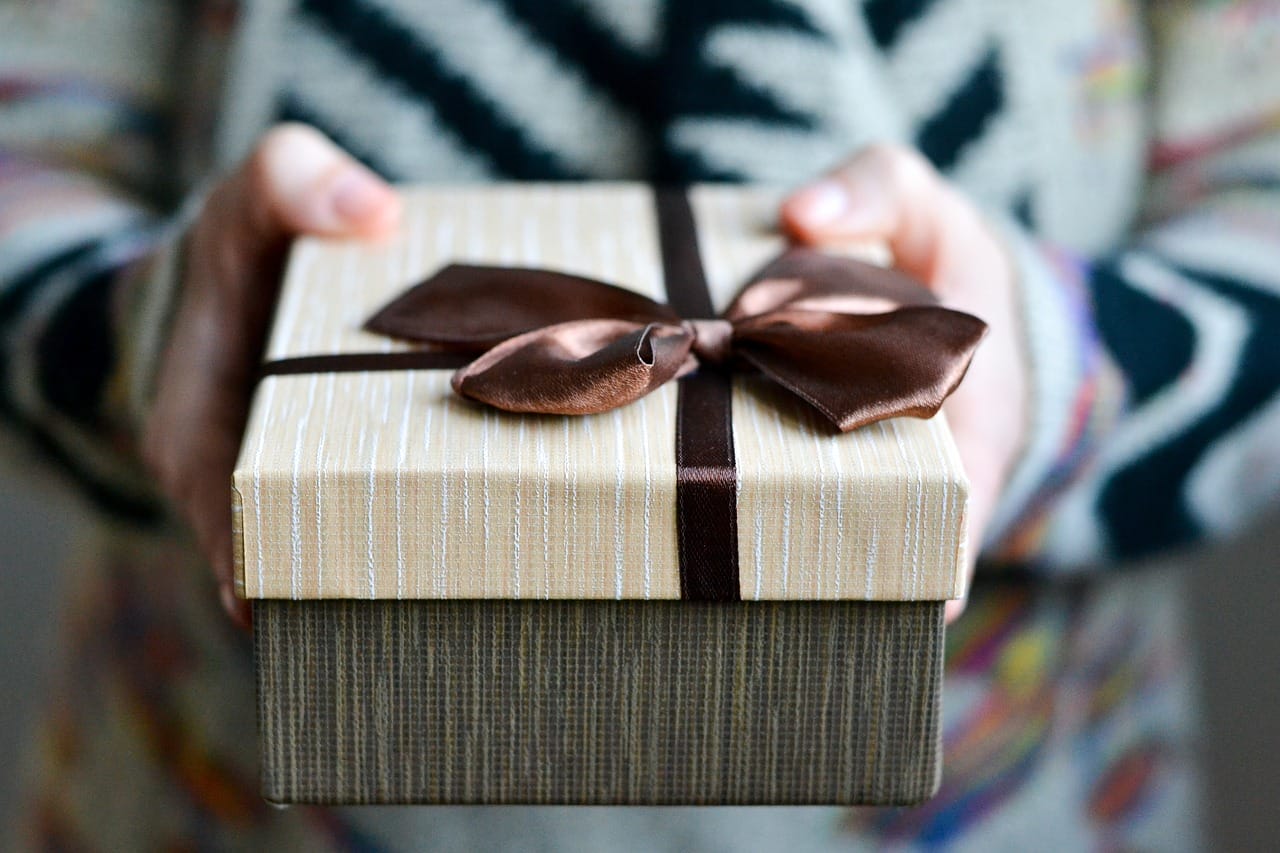
The way you present an antique gift can make it even more meaningful. Many recipients enjoy learning the story behind the item as much as receiving it. If you know where the piece came from, who made it, or why it interested you, share that information. A handwritten note explaining your choice adds a personal touch that people often keep for years. If the seller provided background details, include them with the gift. Avoid overwhelming the recipient with technical information. Focus on the details that connect the object to their interests or personality. A thoughtful presentation helps transform an antique from an attractive object into a gift with personal significance and lasting emotional value.
Antique gifts continue to appeal because they offer something many modern gifts cannot: character, craftsmanship, and a sense of history. The most successful choices reflect the recipient’s interests rather than current trends. Whether you select a collectible, a piece of jewelry, a decorative object, a book, or a useful household item, thoughtful selection makes the difference. Taking time to check authenticity, condition, and relevance helps ensure the gift feels meaningful. A well-chosen antique can become part of someone’s home, collection, or family story for years to come. That lasting connection explains why antique gifts remain a popular choice for people who want to give something truly memorable.