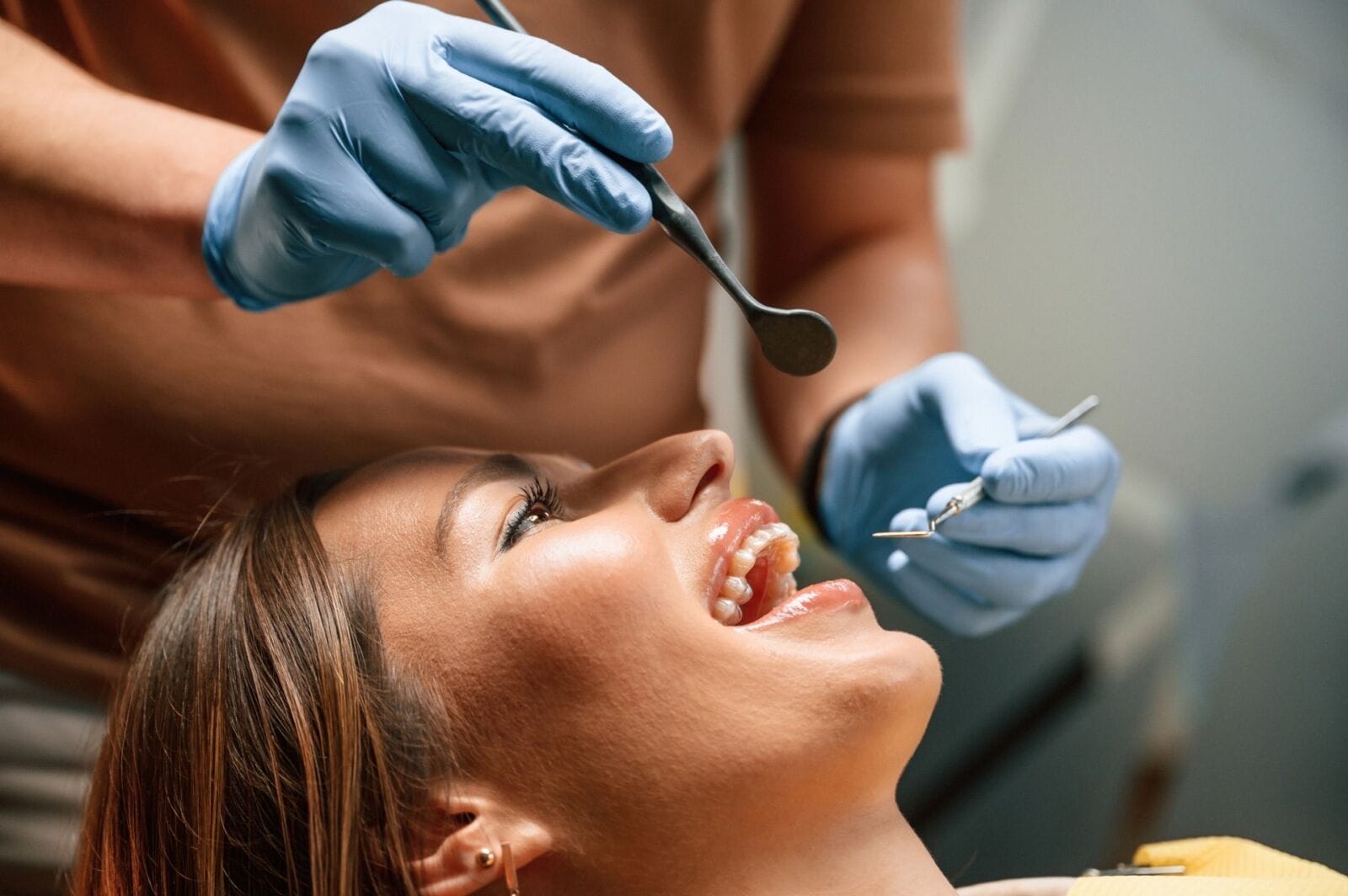
A recommendation for cosmetic treatment should come after the dentist has understood more than the visible concern. The shape of the smile matters, but so do the health of the gums, the strength of the enamel, the condition of old restorations, the bite, the patient’s habits, and the level of maintenance the result will require.
Patients often feel more comfortable when they know what the dentist is looking for. The assessment is not a test to pass. It is a way of deciding which options are sensible, which ones are unnecessary, and which details need attention before a visible change can be planned responsibly.
A cosmetic dentist from MaryleboneSmileClinic says that a recommendation should be traceable back to findings the patient understands. The dentist explains that cosmetic care becomes more trustworthy when the patient can see how gum health, enamel, bite, existing dentistry and personal goals have shaped the advice. This makes the conversation less mysterious. The patient is not simply told that a treatment is suitable; they hear why it fits, what it protects, what it requires and where its limits sit. That clarity is especially important when more than one option appears possible.
The list below is not a diagnostic tool for patients to use alone. It is a guide to the kind of thinking that should sit behind a recommendation. When these points are discussed clearly, consent becomes more informed and the plan becomes easier to maintain.
DEEPER DIVE: Read all the Ranking Arizona Top 10 lists here
INDUSTRY INSIGHTS: Want more news like this? Get our free newsletter here
The Patient’s Main Concern
The first consideration is what the patient actually wants changed. This decision point is where convenience and clinical judgement need to be separated. A faster route, a simpler label, or a lower price only helps if the underlying assessment still supports it.
A concern about colour, shape, spacing, crowding, wear, gum display, or old dental work leads to different assessments. The dentist should explain what has been checked and what remains uncertain. Gum inflammation, heavy contacts, thin enamel, old restorations, dry mouth, or a history of sensitivity can all change the order of care.
The patient should describe the moment the issue bothers them most. Patients can ask what would happen if they waited, chose a smaller step, or treated a health issue first. Those questions are practical, and they often reveal whether the recommendation is flexible enough to be trusted.
A treatment plan should not be built around a vague wish for improvement without clarifying the target. The safest answer is usually specific rather than absolute. It names the benefit, the limit, the aftercare, and the reason the option suits this mouth at this time.
This is where photographs and records can be helpful. They give the patient something concrete to compare, and they help the dentist explain why a small adjustment, a staged plan, or a different option is being suggested.
Records also make review more meaningful. If the smile, bite, gum response, or material surface changes over time, the dentist and patient can discuss that change with context rather than relying on memory alone.
This also gives the dentist a chance to check understanding. If the patient can describe why the detail matters, what it changes, and how it will be maintained, the decision is more likely to be informed rather than passive.
Gum Stability Before Cosmetic Work
Healthy gums give cosmetic dentistry a more reliable frame. The useful starting point is not a procedure name, but the reason the concern has become noticeable now. That gives the dentist a clearer view of whether the patient is asking for colour change, shape refinement, alignment, repair, comfort, or a wider review of dental health.
Bleeding, recession, plaque retention, pocketing, and inflammation may affect timing, margins, and cleanability. In practice, this means reading the visible concern beside gum stability, enamel quality, existing dentistry, bite forces, and daily cleaning. When those findings are explained in ordinary language, the recommendation feels connected to the mouth rather than lifted from a treatment menu.
Patients should ask whether hygiene or periodontal care is needed before visible treatment. Patients often help the conversation by describing where the issue appears most: photographs, close conversation, eating, speaking, or comparing older and newer smiles. That everyday context gives the clinical assessment a more realistic frame.
Treating around unstable gums can compromise both appearance and maintenance. A responsible plan keeps the endpoint open until examination is complete. It avoids treating appearance as separate from health, and it makes sure the final advice includes maintenance as well as the visible change.
A useful clinical explanation should be specific enough for the patient to remember later. Instead of hearing only that an option is suitable, the patient should hear why this detail matters, what it changes, and how it connects to the rest of the mouth.
If the point affects timing, the dentist should name that clearly. If it affects material choice, cleaning access, or review intervals, that should be just as clear. Good planning makes these links visible before the patient is asked to agree.
The same principle applies whether the final care is simple or involved. A small cosmetic refinement still deserves clear reasoning, and a larger plan should be broken into steps the patient can follow without pressure.
Enamel and Existing Restorations
Tooth structure influences how conservative the plan can be. The strongest plans usually make the smallest necessary change first, then review whether more is genuinely needed. That approach keeps natural teeth, gums, and patient confidence at the centre of the decision.
Thin enamel, cracks, old composite, crowns, or large fillings can change whitening, bonding, veneer, or crown decisions. A dentist may therefore discuss conservative whitening, edge smoothing, bonding, hygiene care, aligner planning, or repair before moving to more involved treatment. The order depends on what the examination shows, not on a fixed ladder of procedures.
The patient should understand how much natural tooth structure each option involves. Patients should feel able to ask why one option is being suggested ahead of another. The answer should include health, appearance, durability, maintenance, cost, and what future repair might involve.
A cosmetic choice should not remove healthy structure without a clear reason. Restraint is not the same as doing too little. It is a way of making sure the visible result respects the mouth that has to support it.
The discussion becomes stronger when it includes what the dentist is not recommending. If a larger change is unnecessary, if timing should be slower, or if a health issue deserves priority, that should be said plainly. Patients often trust the plan more when restraint is explained rather than hidden.
This also helps with expectations after treatment. The patient should know which parts of the result depend on professional design and which parts depend on daily habits. That shared understanding keeps confidence realistic and reduces the chance of disappointment from assumptions nobody named.
This also gives the dentist a chance to check understanding. If the patient can describe why the detail matters, what it changes, and how it will be maintained, the decision is more likely to be informed rather than passive.
Bite Forces and Tooth Wear
The way teeth meet affects durability. The useful starting point is not a procedure name, but the reason the concern has become noticeable now. That gives the dentist a clearer view of whether the patient is asking for colour change, shape refinement, alignment, repair, comfort, or a wider review of dental health.
Clenching, grinding, edge-to-edge contacts, chips, and worn surfaces can alter material choice and protection. In practice, this means reading the visible concern beside gum stability, enamel quality, existing dentistry, bite forces, and daily cleaning. When those findings are explained in ordinary language, the recommendation feels connected to the mouth rather than lifted from a treatment menu.
Patients should mention broken restorations, jaw tension, night guards, or morning soreness. Patients often help the conversation by describing where the issue appears most: photographs, close conversation, eating, speaking, or comparing older and newer smiles. That everyday context gives the clinical assessment a more realistic frame.
Ignoring forces can make a neat cosmetic result less stable. A responsible plan keeps the endpoint open until examination is complete. It avoids treating appearance as separate from health, and it makes sure the final advice includes maintenance as well as the visible change.
A useful clinical explanation should be specific enough for the patient to remember later. Instead of hearing only that an option is suitable, the patient should hear why this detail matters, what it changes, and how it connects to the rest of the mouth.
If the point affects timing, the dentist should name that clearly. If it affects material choice, cleaning access, or review intervals, that should be just as clear. Good planning makes these links visible before the patient is asked to agree.
Before moving on, the patient should be able to connect this point with a practical action: a question to ask, a habit to adjust, a review to keep, or a reason to choose one route over another. That final connection is what makes the section useful rather than merely descriptive.
Options That Preserve Tooth Structure
A responsible recommendation usually considers conservative routes first. The useful starting point is not a procedure name, but the reason the concern has become noticeable now. That gives the dentist a clearer view of whether the patient is asking for colour change, shape refinement, alignment, repair, comfort, or a wider review of dental health.
Whitening, hygiene care, polishing, bonding, alignment, and minor reshaping may solve some concerns before more involved work is needed. In practice, this means reading the visible concern beside gum stability, enamel quality, existing dentistry, bite forces, and daily cleaning. When those findings are explained in ordinary language, the recommendation feels connected to the mouth rather than lifted from a treatment menu.
Patients can ask why the proposed option is preferred over a smaller step. Patients often help the conversation by describing where the issue appears most: photographs, close conversation, eating, speaking, or comparing older and newer smiles. That everyday context gives the clinical assessment a more realistic frame.
More treatment should be justified by findings, not by the assumption that bigger is better. A responsible plan keeps the endpoint open until examination is complete. It avoids treating appearance as separate from health, and it makes sure the final advice includes maintenance as well as the visible change.
A useful clinical explanation should be specific enough for the patient to remember later. Instead of hearing only that an option is suitable, the patient should hear why this detail matters, what it changes, and how it connects to the rest of the mouth.
If the point affects timing, the dentist should name that clearly. If it affects material choice, cleaning access, or review intervals, that should be just as clear. Good planning makes these links visible before the patient is asked to agree.
Before moving on, the patient should be able to connect this point with a practical action: a question to ask, a habit to adjust, a review to keep, or a reason to choose one route over another. That final connection is what makes the section useful rather than merely descriptive.
Timing, Consent and Aftercare
The final recommendation should include the route after the decision. The strongest plans usually make the smallest necessary change first, then review whether more is genuinely needed. That approach keeps natural teeth, gums, and patient confidence at the centre of the decision.
Appointment sequence, healing, try-ins, maintenance, retainers, night guards, and review visits all affect the patient experience. A dentist may therefore discuss conservative whitening, edge smoothing, bonding, hygiene care, aligner planning, or repair before moving to more involved treatment. The order depends on what the examination shows, not on a fixed ladder of procedures.
The patient should know what happens next and what their own responsibilities will be. Patients should feel able to ask why one option is being suggested ahead of another. The answer should include health, appearance, durability, maintenance, cost, and what future repair might involve.
A recommendation is incomplete if it describes the procedure but not the care that supports it. Restraint is not the same as doing too little. It is a way of making sure the visible result respects the mouth that has to support it.
The discussion becomes stronger when it includes what the dentist is not recommending. If a larger change is unnecessary, if timing should be slower, or if a health issue deserves priority, that should be said plainly. Patients often trust the plan more when restraint is explained rather than hidden.
This also helps with expectations after treatment. The patient should know which parts of the result depend on professional design and which parts depend on daily habits. That shared understanding keeps confidence realistic and reduces the chance of disappointment from assumptions nobody named.
This also gives the dentist a chance to check understanding. If the patient can describe why the detail matters, what it changes, and how it will be maintained, the decision is more likely to be informed rather than passive.