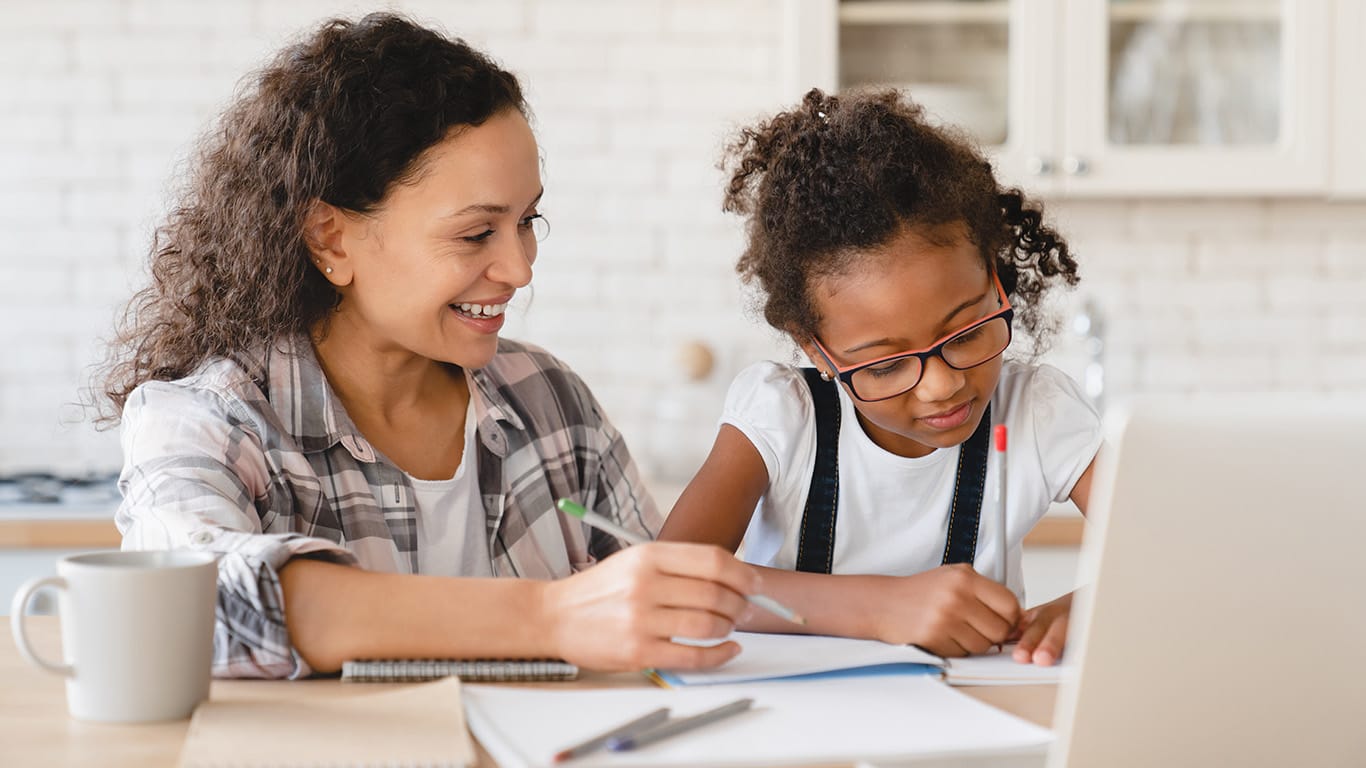
As the new school semester begins, parents often focus on shopping for backpacks, notebooks, and school uniforms. However, one essential part of a child’s back-to-school checklist is often overlooked—eye health. Good vision plays a vital role in a child’s academic performance, confidence, and overall well-being. Since children spend a significant portion of their day reading, writing, using digital devices, and participating in classroom activities, ensuring their vision is in top condition can make a meaningful difference throughout the school year.
Why Eye Health Matters for Learning
Studies have shown that much of what children learn in school is presented visually. From reading textbooks and writing on worksheets to viewing classroom presentations and interactive whiteboards, healthy eyesight is essential for effective learning. Unfortunately, many children may not realize they have vision problems because they assume everyone sees the world the same way they do.
Common signs of vision issues include:
- Frequent headaches
- Squinting while reading or looking at distant objects
- Holding books or tablets too close
- Rubbing the eyes often
- Difficulty concentrating during homework
- Complaints of blurry or double vision
If parents notice any of these symptoms, scheduling a comprehensive eye exam before the school year starts is highly recommended.
The Growing Impact of Digital Screens
Today’s classrooms rely more heavily on technology than ever before. Laptops, tablets, and interactive learning platforms have become everyday educational tools. While these devices offer many educational benefits, prolonged screen exposure may contribute to digital eye strain.
Children may experience symptoms such as dry eyes, tired eyes, blurred vision, or neck and shoulder discomfort after extended screen time. Encouraging regular screen breaks using the 20-20-20 rule—every 20 minutes, look at something 20 feet away for at least 20 seconds—can help reduce eye fatigue.
For children who spend extended periods using digital devices, some parents also consider blue light blocking glasses to help improve visual comfort during screen use. Options are available at GlassesShop:
While research on blue light glasses is still evolving, many users report reduced eye fatigue and increased comfort during prolonged computer use. Good screen habits, proper lighting, and regular breaks remain the most important strategies for protecting children’s eyes.
Choosing the Right Glasses for Active Kids
Children are naturally energetic, and their glasses need to keep up with their active lifestyles. Frames should be comfortable, lightweight, and designed to withstand daily wear and tear at school, during sports, and on the playground.
When selecting eyewear, parents should look for features such as:
- Flexible frame materials
- Scratch-resistant lenses
- Comfortable nose pads
- Secure fit behind the ears
- Lightweight construction
Parents looking for durable glasses for kids can explore a variety of child-friendly frame styles at GlassesShop:
A well-fitting pair of glasses encourages children to wear them consistently, helping them see clearly throughout the school day.
Healthy Habits for Better Vision
In addition to regular eye exams and appropriate eyewear, healthy daily habits contribute to long-term eye health.
Parents can encourage children to:
- Spend more time outdoors each day
- Eat foods rich in vitamins A, C, and E
- Stay hydrated
- Get adequate sleep every night
- Maintain proper reading distance
- Use good lighting while studying
Outdoor play has also been associated with supporting healthy visual development, making it beneficial for both physical and eye health.
Don’t Skip Regular Eye Exams
Many vision problems develop gradually and may not be detected during routine school vision screenings. Comprehensive eye examinations performed by an eye care professional evaluate much more than visual acuity. They can identify issues such as focusing problems, eye coordination difficulties, and refractive errors that may affect classroom performance.
Experts generally recommend that school-aged children receive regular eye examinations according to their eye doctor’s guidance, especially if they already wear glasses or have a family history of eye conditions.
Making Back-to-School Shopping More Affordable
Parents often have multiple school-related expenses at the beginning of the academic year. If new eyewear is needed, shopping during promotional periods can help reduce costs.
For families purchasing more than one pair of glasses, GlassesShop occasionally offers a buy one get one free deal, which may provide additional value when buying eyewear for siblings or keeping a backup pair for school:
Having an extra pair of glasses can be especially useful if one pair is lost or damaged during the busy school year.
Final Thoughts
Preparing children for a successful school year involves much more than buying school supplies. Clear, comfortable vision supports learning, confidence, classroom participation, and everyday activities. By scheduling regular eye exams, encouraging healthy screen habits, choosing durable eyewear, and promoting good eye care practices at home, parents can help ensure their children are ready to succeed both inside and outside the classroom.
As the new semester begins, taking a few simple steps to prioritize eye health can have lasting benefits throughout the academic year. Healthy vision is an important foundation for lifelong learning, making it one of the smartest back-to-school investments any parent can make.