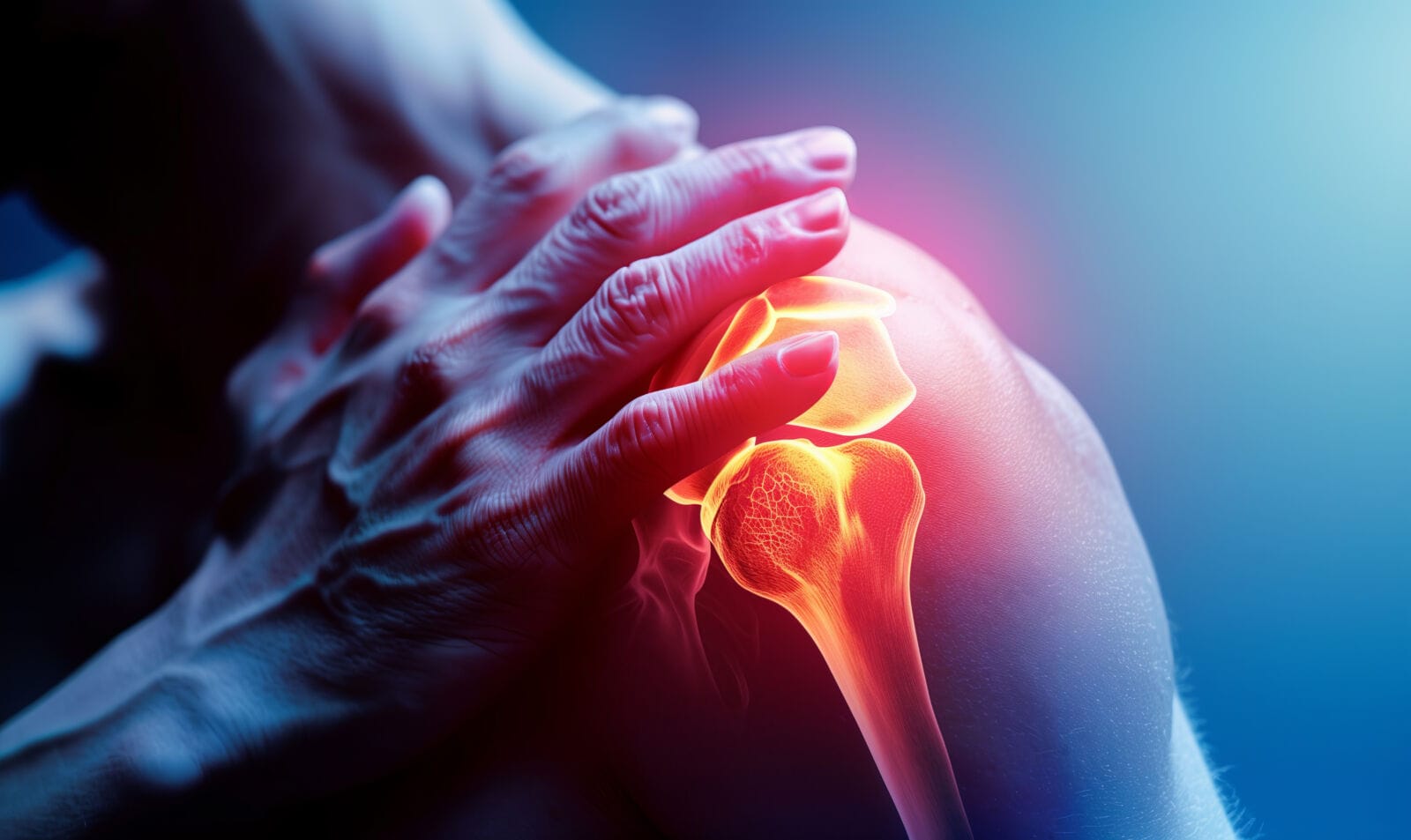
SLAP tears are a specific type of shoulder labrum injury that’s common in overhead athletes. Here’s a clear explanation of what SLAP means, how it’s diagnosed, and what the options are.
SLAP stands for Superior Labrum Anterior to Posterior, which describes a tear in the ring of cartilage (the labrum) that surrounds the shoulder socket, specifically in the upper portion from front to back. SLAP tears are most common in overhead athletes, particularly baseball pitchers, tennis players, volleyball players, and swimmers, but they also occur in non-athletes from specific types of falls and heavy lifting injuries.
The diagnosis is notoriously tricky, partly because the clinical tests for SLAP tears have modest accuracy and partly because labral pathology appears on MRI in people who are completely asymptomatic. Understanding what makes a SLAP tear clinically significant and what treatment it actually warrants helps athletes make informed decisions.
What the Labrum Does
The labrum is a ring of fibrocartilage that deepens the shoulder socket (glenoid) and provides attachment for the shoulder’s capsular ligaments and the long head of the biceps tendon. The long head of the biceps anchors to the top of the labrum (the superior labrum), which is exactly the area involved in a SLAP tear. When this anchor is disrupted, it can cause pain, clicking, and a sense of instability in the shoulder. A specialist at a shoulder specialist Dallas TX practice evaluates the full picture of clinical symptoms and imaging before recommending treatment.
Because the labrum contributes to shoulder stability, tears in it can allow slightly more movement of the humeral head in the socket than is normal, which is why overhead athletes with SLAP tears sometimes describe a feeling of looseness or of the shoulder ‘going out’ slightly during throwing or overhead activities.
Types of SLAP Tears
SLAP tears are classified into four main types based on their anatomy and severity. Type 1 involves fraying of the superior labrum without detachment. Type 2, the most common type in athletes, involves detachment of the superior labrum and biceps anchor from the glenoid rim. Type 3 involves a bucket-handle tear of the superior labrum with an intact biceps anchor. Type 4 is a bucket-handle tear that extends into the biceps tendon.
The type influences treatment planning. Type 1 fraying is often treated non-surgically. Type 2 tears in throwing athletes with mechanical symptoms are the most common type considered for surgical repair. Type 3 and 4 tears may involve more complex management depending on the degree of biceps involvement.
Diagnosis Challenges
The clinical tests for SLAP tears, including the Speed’s test, O’Brien’s active compression test, and the Kim test, individually have sensitivity and specificity that fall short of diagnostic certainty. The combination of multiple positive tests improves diagnostic accuracy, but a clinical examination alone isn’t sufficient for definitive diagnosis.
MRI arthrogram, where contrast dye is injected into the shoulder joint before imaging, provides better visualization of the labrum than standard MRI and improves diagnostic accuracy for SLAP tears. Even with optimal imaging, distinguishing a clinically significant SLAP tear from an incidental labral irregularity that’s not actually causing symptoms requires correlation with the clinical picture.
Non-Surgical Treatment
Not all confirmed SLAP tears require surgery. Many respond to a focused physical therapy program that addresses shoulder mechanics, posterior capsule tightness (very common in overhead athletes and thought to contribute to SLAP tears), and rotator cuff strength. The program specifically aims to reduce the superior labral stress that comes from altered mechanics in overhead athletes.
A trial of physical therapy is generally the appropriate first step before considering surgical intervention, particularly in non-throwing athletes and in athletes with less severe symptoms. Corticosteroid injection into the shoulder joint may be used to reduce inflammation and allow more productive participation in rehabilitation.
Surgical Repair: What It Involves
When surgery is indicated, the standard procedure is arthroscopic SLAP repair, where the torn labrum is reattached to the glenoid rim using suture anchors placed arthroscopically through small incisions. The procedure is technically demanding and requires a surgeon with experience in labral repair for the results to be consistently good.
An alternative for some patients, particularly older or recreational athletes with Type 2 tears, is biceps tenodesis, where the biceps attachment to the superior labrum is detached and reattached lower on the arm bone (humerus). This reliably eliminates the pain from the SLAP tear and doesn’t require repairing the labrum itself. It’s associated with good pain outcomes but may not restore the same throwing mechanics as a successful SLAP repair.
Recovery After SLAP Surgery
Recovery from SLAP repair is long by most orthopedic standards. The labral repair needs to heal to the bone before it can be loaded, which requires an initial period of limited shoulder use followed by a progressive rehabilitation sequence. Return to overhead throwing activities for baseball pitchers is typically nine to twelve months, which represents the longest return-to-sport timeline of any common shoulder surgery.
The long recovery is a significant factor in the decision-making for overhead athletes, particularly those with a limited competitive season window. Understanding the recovery timeline before committing to surgery helps athletes plan around competitive commitments and sets realistic expectations for return to sport.
Wrapping Up
SLAP tears are a specific and sometimes over-diagnosed shoulder problem in overhead athletes. The diagnostic challenge, the variability of outcomes with surgery, and the meaningful recovery required after surgical repair all argue for conservative management first in most cases. For athletes with genuine mechanical symptoms and a confirmed significant tear who haven’t responded to physical therapy, surgical repair can restore function. Working with a shoulder specialist who has specific experience with labral pathology in overhead athletes is essential for this decision.
Frequently Asked Questions
Can a SLAP tear heal without surgery?
The torn labrum itself doesn’t regenerate tissue in the way that some other tissues can, so the structural defect doesn’t heal in the same sense as a bone fracture. However, many people with confirmed SLAP tears become asymptomatic with physical therapy and activity modification, which suggests that the symptoms can resolve without the labrum being structurally restored. The goal of non-surgical treatment isn’t to heal the tear but to address the factors that are making it symptomatic.
Why do baseball pitchers have such a high rate of SLAP tears?
The throwing motion, particularly the late cocking phase where the arm is in maximum external rotation, places significant stress on the superior labrum. The rotational forces in a baseball pitch are among the highest of any human movement, and this stress is applied repetitively. In addition, many pitchers develop posterior capsule tightness that alters glenohumeral mechanics and increases superior labral stress. The combination of high repetitive loading and biomechanical factors makes pitchers particularly vulnerable.