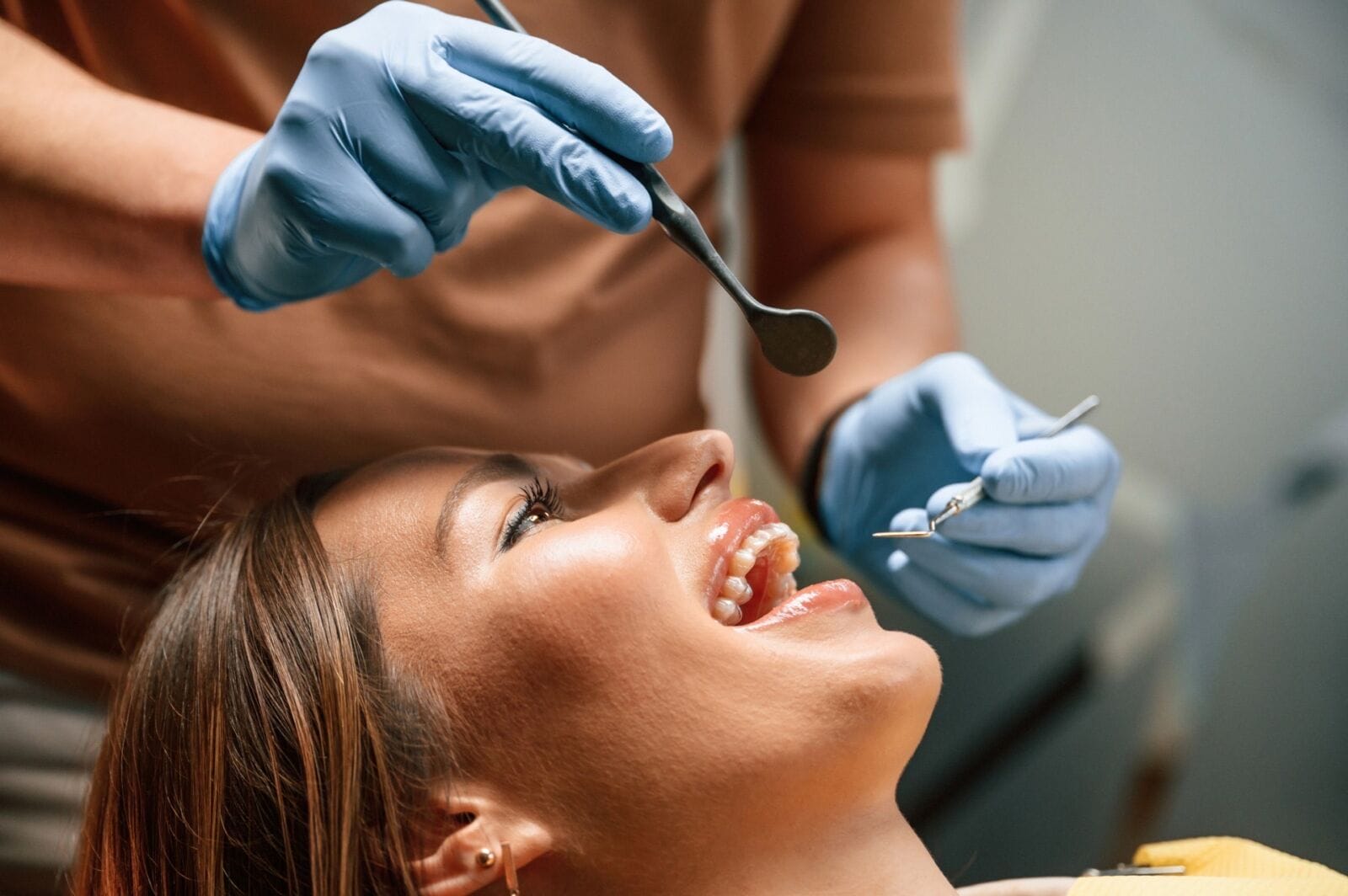
Eleven months. That is how long a lot of downtown desk workers quietly stretch a routine checkup, and it almost always starts the same way: a 9 a.m. stakeholder call, a lunch that gets moved twice, and a train home that leaves at 5:42 whether you are on it or not. I have watched people treat a cleaning like a luxury they will book “next quarter” for three quarters running. Here is the thing that finally gets them moving, and it is worth saying plainly: dentist downtown vancouver care at Aria Dental Studio fits inside a workday because the whole design of that kind of practice assumes you are squeezing it in. Below is a playbook for making dental appointments survive a packed schedule, from the first booking call to the coffee you drink on the way back to your desk.
Why oral care is the appointment people cancel first
Dental visits are quiet appointments. Nothing hurts, so nothing pressures you to keep the slot. Contrast that with a physio session for a tweaked back or a follow-up with a specialist who called you personally. Those get protected. A cleaning gets bumped to make room for a client review, and nobody notices for months.
The math on this is not subtle. According to the Centers for Disease Control and Prevention, regular dental visits sit alongside brushing and flossing as a core preventive habit, which is another way of saying the visit itself carries weight. Skipping it is not neutral. You are just borrowing time from a later, more expensive problem.
My honest read: most people are not avoiding the dentist. They are avoiding the logistics. Two hours of travel, a waiting room, a reschedule email. Fix the logistics and the avoidance mostly evaporates.
What does a workday-friendly dental visit actually look like?
Short version: you book it around your calendar, not the other way around. A downtown practice sitting on a transit corner changes what is possible in a lunch break or a gap between meetings. You walk out, you walk back, you lose maybe ninety minutes of your day instead of a half vacation day.
Here is what I would look for in any appointment that has to fit a working schedule:
- A location you can reach on foot or by one transit hop from your building.
- Booking that happens online or by a short call, not a phone tag loop.
- Paperwork sent ahead so you are not filling forms in the chair.
- Clear expectations on how long the visit runs, including the exam and any imaging.
- A practice that will tell you upfront whether a second visit is needed.
That last point matters more than people expect. The worst scheduling outcome is a visit that turns into “actually, we need you back next week,” which means you lose two slots instead of one.
My framework: the Three-Slot Test
When a colleague asks me how to pick a dental office without wasting a Saturday morning, I give them a test I have used myself. I call it the Three-Slot Test because it checks the exact three moments where a dental appointment breaks a workday: getting there, sitting there, and getting back.
Slot one, the commute. Can you get there and back inside your lunch hour, or does it eat a full afternoon? If it eats the afternoon, you will cancel it. Every time. A practice near a major transit junction, like the Burrard and Georgia corner, keeps that slot small.
Slot two, the waiting. Does the office send intake forms before your visit? A practice that front-loads the paperwork respects that you came from a meeting and have one after.
Slot three, the follow-up. Ask one question straight out: “If nothing surprising shows up, is this a single visit?” If the answer is vague, that is your answer.
I would pick a practice that passes all three over one that fails slot two but has nicer furniture. Comfort is nice. Being able to actually show up is the thing that keeps your teeth maintained for twenty years.
There is a real texture to this that no scheduling app captures. Picture the downtown office worker who books a 12:15 cleaning, walks over with a coat still on, sits down with the forms already on file, and is back at her desk by 1:10 with a coffee. That person goes every six months for a decade. The person who books a 9 a.m. Saturday slot six weeks out, alone in a suburban plaza, goes twice and then stops. Same dental needs, wildly different outcomes, all decided by logistics.
The lunch-break checklist
Before your first appointment, run through this. It takes four minutes and saves you a rescheduled visit.
- Block ninety minutes on your calendar, not sixty. Buffer absorbs a late start.
- Send your insurance or coverage details ahead of the call so the front desk can check them before you arrive.
- Ask whether imaging happens on the first visit or later.
- Bring a note of anything that has changed since your last visit: a new medication, a sensitive spot, a night guard that stopped fitting.
- Plan a soft lunch for after, not a crusty sandwich from the place downstairs.
That fifth item sounds fussy. It is not. If you have a cleaning or a filling, chewing a baguette an hour later is a small act of self-sabotage.
Preventive visits versus “wait until it hurts”
Two philosophies, one outcome. The American Dental Association describes prevention as the foundation of oral health, which is the polite way of saying the cheap, easy visit is the one you almost skipped. A cleaning and exam cost far less in money, time, and discomfort than the crown that follows three skipped years.
I know which camp I am in. Wait-until-it-hurts is a bet that nothing will go wrong, and dental problems are patient. A small cavity waiting is not urgent until it suddenly is, usually the week of a big deadline.
Small habits that make the six-month gap count
You do not need a complicated routine. You need consistency, and it has to survive the days when work eats your lunch. A few things that have held up for the busy people I know:
Keep a toothbrush and paste in a desk drawer. Two minutes after a coffee is worth more than a heroic floss session at midnight. Drink water after anything sugary, which does more than people give it credit for. Floss where you already sit, whether that is a couch or a desk chair, because the best flossing routine is the one that does not require you to stand at a sink. And if your jaw feels tight after a stressful quarter, say so at your appointment, because that detail is exactly the kind of context a dentist would otherwise have to guess.
What the working city actually costs you
Downtown professionals juggle a strange set of pressures: long hours, sitting for most of the day, coffee as a food group, and a calendar that fills itself. According to the Bureau of Labor Statistics, management and professional roles make up a large share of the workforce in major metro areas, and those are the jobs most likely to run long and lose lunch hours. That is not a reason to feel guilty. It is a reason to build your dental care around the schedule you actually have, not the one you wish you had.
A practice that sits on a transit corner and expects walk-ins from offices is not a coincidence. It is built for the way you actually work. That is the whole point of the Three-Slot Test, and it is why I would send any downtown friend there before I sent them to a nicer office an hour out of the way.
Book the visit. Put it on the calendar next to a deadline, not instead of one. Your schedule will survive ninety minutes, and your smile stops being a thing you keep meaning to get to.