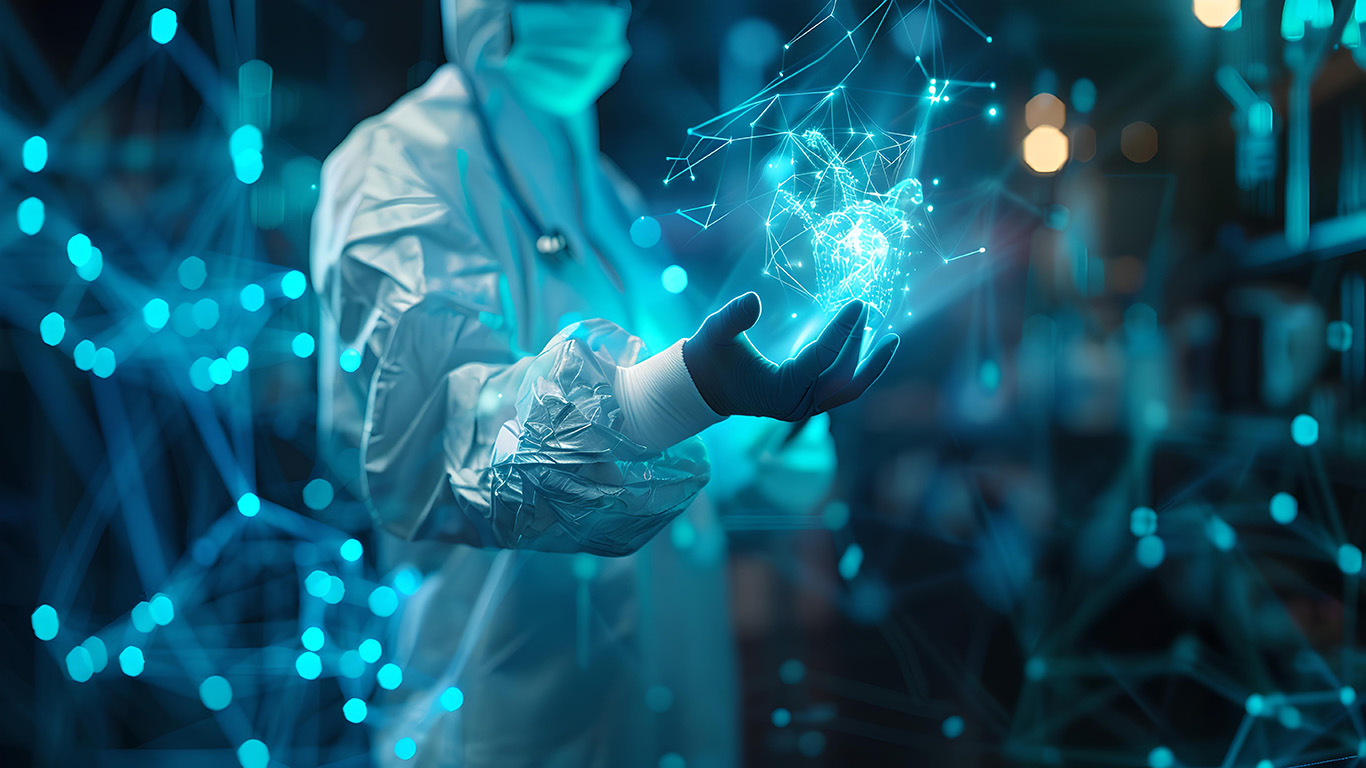
Medical science moves faster than ever before. New treatments appear almost weekly. Rare diseases finally have hope. Cancer patients live longer. This progress feels like magic. It is not magic, though. It is technology working behind the scenes.
Powerful tools now handle tasks that used to take years. They crunch massive amounts of data. They automate repetitive lab work. They see things human eyes cannot. These technologies do not replace scientists. They supercharge them. The result is a nonstop parade of breakthroughs that save real lives.
The Quiet Workhorse of the Lab
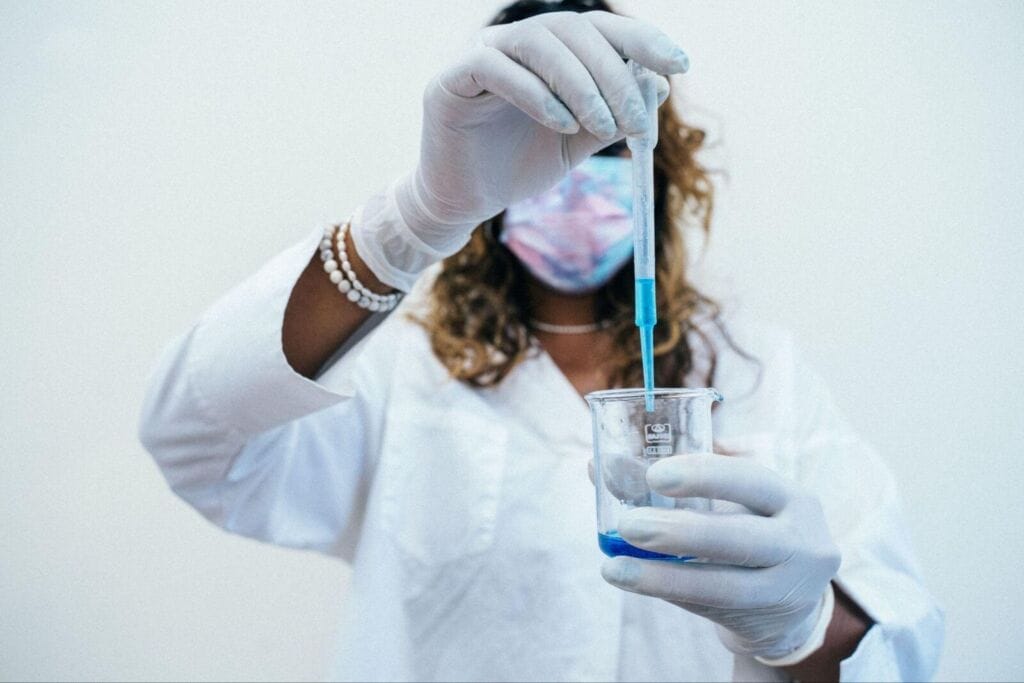
Behind every drug discovery sits a mountain of liquid handling. Pipetting thousands of samples by hand is impossible. It is also boring and error-prone. Modern labs rely on something much smarter.
A dependable liquid handling system takes over this tedious work. It moves tiny volumes with perfect accuracy. It never gets tired or distracted. It works through the night without complaint. This frees up researchers for actual thinking. They design experiments instead of dripping fluids. The machine handles the grunt work. Together, they move science forward at breakneck speed.
Artificial Intelligence Sees Hidden Patterns
Human brains are amazing. They also have limits. We cannot analyze millions of data points quickly. We miss subtle connections. Artificial intelligence has no such problem. AI algorithms scan genomic data. They find mutations linked to disease. They predict which drug candidates will succeed.
They even design new molecules from scratch. This capability slashes development time. A process that took years now takes weeks. AI does not get tired or biased. It just crunches numbers relentlessly. The patterns it finds lead straight to new therapies.
Gene Editing Gets Precise
CRISPR changed everything. This tool edits DNA with stunning accuracy. Scientists can now cut out bad genes. They can insert corrected versions. They can turn genes on or off like light switches. The implications are enormous.
Sickle cell disease has seen successful treatments. Certain forms of blindness are now reversible. Clinical trials for muscular dystrophy show promise. CRISPR keeps getting better, too. New versions cause fewer off-target effects. They work in more cell types. The technology is still young. Its best days lie ahead.
Single-Cell Sequencing Reveals Hidden Worlds
Tumors are tricky. They look like a solid mass. Inside, they are a messy collection of different cells. Some cells resist treatment. Others grow aggressively. Traditional sequencing averages everything together. It misses the important differences. Single-cell sequencing solves this problem. It reads the genetic code of individual cells.
This reveals which cells cause trouble. It shows how tumors evolve under pressure. Doctors can then target the bad actors directly. The same approach works for immune systems and brain tissue. Seeing the single-cell view changes everything.
Organoids Replace Animal Testing
Testing drugs on animals is slow and controversial. Results do not always translate to humans. Organoids offer a better way. These are mini organs grown in a dish. They are made from human cells. They replicate real organ function surprisingly well. A liver organoid processes toxins like a real liver. A brain organoid shows neural activity.
Researchers can test hundreds of drug candidates on these tiny organs. They get human-relevant data without animal suffering. The liquid handling system plays a key role here. It feeds these mini organs precisely. It maintains their environment carefully. The combination is powerful.
Wearables Generate Real-Time Data
Old clinical trials relied on occasional checkups. A patient visited the lab every few months. Researchers got tiny snapshots of their health. Wearable devices change this completely. Smartwatches track heart rate continuously. They monitor sleep patterns. They detect irregular rhythms. Some even measure blood oxygen.
This constant stream of data reveals real-world health. A drug’s effect shows up immediately. Side effects get caught early. Researchers see how patients live, not just how they perform in a clinic. This rich data leads to better drugs and safer dosing.
Cryo-Electron Microscopy Sees Atoms
Understanding a disease requires seeing its molecules. Traditional microscopes could not capture these tiny structures. They were just too small. Cryo-electron microscopy changed the game. This technique freezes molecules in place. It fires electrons at them. Computers reconstruct 3D images from the scattered particles.
The results are stunning. Scientists can now see individual atoms. They watch how drugs bind to their targets. They design better molecules as a result. This technology won a Nobel Prize for good reason. It has unlocked countless biological secrets.
Cloud Computing Connects the World
Medical research used to happen in silos. A lab in Boston did its own thing. A team in Tokyo worked separately. They shared results only after publication. Cloud computing broke down these walls. Now researchers share data instantly. They run analyses on massive remote servers. They collaborate across continents in real time.
A rare disease patient in Brazil can have their genome analyzed by experts in Germany. This connectivity accelerates everything. Ideas spread faster. Resources get shared. The whole scientific community moves as one. Breakthroughs happen everywhere at once.
Conclusion: A New Era of Healing
The technologies described here are not futuristic fantasies. They are working right now in labs worldwide. A liquid handling system prepares samples for sequencing. AI finds hidden patterns in the data. CRISPR edits the problematic genes. Organoids test the new drugs. Wearables monitor the results.
This seamless pipeline turns discoveries into treatments faster than ever. Patients benefit directly. Lives get saved. Suffering gets reduced. The pace will only increase from here. Medical breakthroughs are no longer rare events. They are the new normal. Technology made it happen.