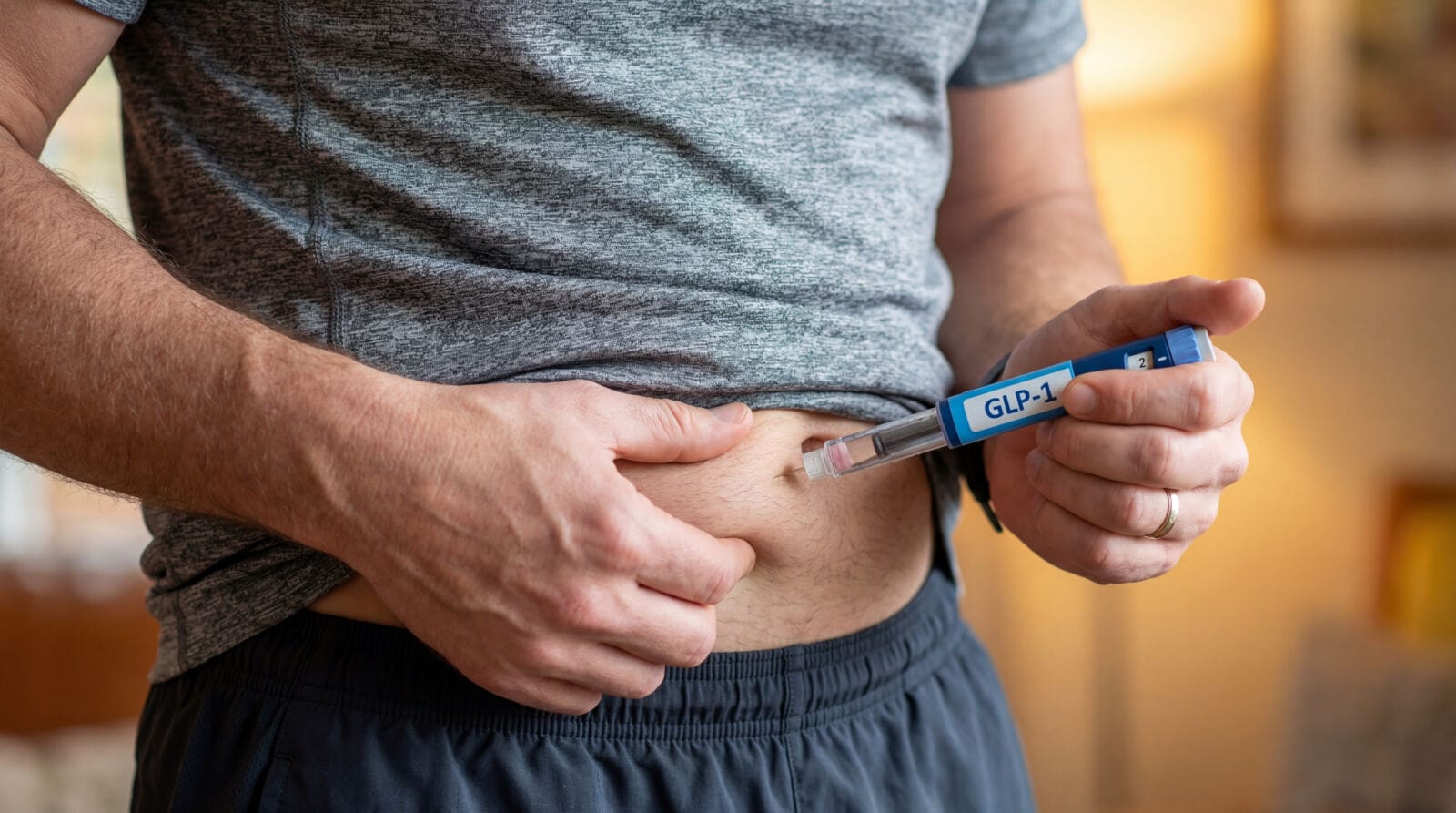
GLP-1 medications are getting a lot of attention, but the useful questions are not the loudest ones. Before starting, most men need practical answers: who these drugs are actually for, what the first month usually feels like, how side effects show up, and what kind of care makes the process safer and more manageable.
This is prescription treatment, not a casual wellness experiment. It works best when it starts with a real medical review and realistic expectations. Services such as Gents telehealth are built around that kind of process, with licensed physicians, a fully online intake, and ongoing provider messaging rather than a one-time checkout experience.
Who GLP-1 Medications Are Actually For
The first thing to understand is that these medications are meant for defined clinical use. Wegovy’s FDA labeling states that it is indicated for chronic weight management in adults with obesity, or in adults with overweight plus at least one weight-related condition, and it is meant to be used alongside a reduced-calorie diet and increased physical activity.
That matters because a lot of online conversation strips away the medical context. These drugs are not designed as a quick cosmetic fix or as a substitute for every other part of weight management. A good prescriber should be looking at more than your weight alone. They should also be asking about blood pressure, blood sugar, digestion, family history, current medications, and whether there is any reason the medication may be a poor fit.
A few practical signs that someone is approaching treatment seriously:
- they know whether they actually meet the prescribing criteria
- they understand this is meant for ongoing management, not a one-off trial
- they are prepared for follow-up, not just for the first prescription
- they expect tradeoffs, not just benefits
Semaglutide vs. Tirzepatide: The Practical Difference
Most men researching this category quickly run into the same comparison: semaglutide versus tirzepatide. The short version is that semaglutide works through the GLP-1 pathway, while tirzepatide works through both GIP and GLP-1 pathways. In major weight-loss trials, tirzepatide produced greater average weight reduction, but that does not automatically make it the better starting point for every person.
The practical difference is not just about which number looks better in a headline. It is about fit. One option may be easier to tolerate. One may make more sense given a patient’s health history. One may be the more sensible first choice if the priority is easing into treatment with fewer problems during dose escalation.
| Medication | What it is | Practical takeaway |
| Semaglutide | GLP-1 receptor agonist | Strong evidence base and a common starting point for many patients |
| Tirzepatide | GIP and GLP-1 receptor agonist | Often linked to greater average weight loss, but not automatically the best fit for everyone |
The mistake is treating this like a product ranking. It is really a treatment-planning decision.
What to Expect in the First 4 Weeks
The first month is usually where expectations need the most correction. Many people assume the medication will produce a fast, obvious change almost immediately. More often, the early weeks are about adjustment. Appetite may change before the scale changes much. Your eating pattern may shift before your body visibly does.
Wegovy’s dosing schedule starts low and increases gradually. The FDA label begins at 0.25 mg once weekly for four weeks, then steps upward over time rather than moving straight to a maintenance dose. That schedule exists for a reason: to improve tolerability, especially during the early phase. The label also notes that if a dose is not tolerated, escalation may be delayed.
That is why the first month often feels less dramatic than people expect. It is not the “after” stage. It is the adjustment stage.
A realistic first-month checklist looks like this:
- expect appetite changes before dramatic weight changes
- expect dose titration rather than a full-strength start
- expect at least some digestive adjustment to be possible
- expect progress to feel gradual, not cinematic
- expect the need to pay more attention to hydration and regular meals
What Side Effects to Expect Early On
According to the Wegovy label, gastrointestinal side effects were common in weight-reduction trials, with nausea, vomiting, and diarrhea reported most often during dose escalation. That does not mean everyone struggles in the same way, but it does mean the early phase of treatment is usually more comfortable when people know what to expect.
Common early issues can include:
- nausea, especially after heavier meals
- vomiting in people who do not tolerate escalation well
- diarrhea or constipation during adjustment
- reduced appetite that can lead to low energy if meals become too irregular
- dehydration if food and fluid intake both drop
The point is not to make the first month sound harder than it is. It is simply to make sure the adjustment period does not come as a surprise.
Lifestyle Still Matters More Than the Hype Suggests
GLP-1 medication may help regulate appetite, but it does not replace the rest of the work. The FDA labeling is explicit that treatment is meant to be used with dietary change and physical activity.
In practice, that usually means building a routine you can actually live with. It means keeping hydration up when appetite falls, paying attention to protein intake, and not confusing “I barely ate today” with effective long-term treatment. Early appetite suppression can make people feel like the medication is doing everything. Usually, it is doing one important part of the job, but not the whole job.
A few habits that often matter more than people expect:
- keeping meals regular enough that reduced appetite does not turn into under-fueling
- prioritizing protein instead of grazing on whatever feels easiest
- drinking fluids deliberately, not just when thirsty
- maintaining some consistent movement during the week
- thinking ahead about what will make treatment sustainable after the novelty wears off
This is not about diet-shaming. It is about making sure the medication has something stable to work with.
How to Get a Legitimate Prescription
A legitimate prescription should begin with an actual clinician review. That can happen through primary care, an obesity medicine specialist, or a telehealth model. The important question is not whether the visit happens online or in person. It is whether a licensed clinician is reviewing your case, screening for risks, and explaining what follow-up looks like.
That is one reason process matters so much. If a service makes treatment sound automatic, that is a warning sign. A real prescribing pathway should include health history, medication review, questions about contraindications, and a plan for what happens if side effects become hard to tolerate.
Questions to Ask Before You Start
A good starting conversation should leave you clearer, not just more enthusiastic. Before beginning treatment, it helps to ask:
- Do I actually meet the medical criteria for this medication?
- Which option makes more sense for me: semaglutide or tirzepatide?
- What side effects should I expect in the first month?
- What conditions or medications could make this a poor fit?
- What should I do if nausea, constipation, or vomiting become significant?
- What happens if I stop later?
- How will follow-up work if I need dose changes or have questions?
Those questions move the conversation away from hype and toward fit.
The Bottom Line
For the right patient, a GLP-1 medication can be a meaningful part of weight management. But the strongest start is usually the least dramatic one: clear eligibility, honest expectations, gradual dose escalation, a realistic understanding of side effects, and a care process that does not end at the prescription.
That is what men should know before they begin. Not whether the category is popular, but whether the treatment makes sense for them, whether the tradeoffs are understood, and whether the process is set up to last.