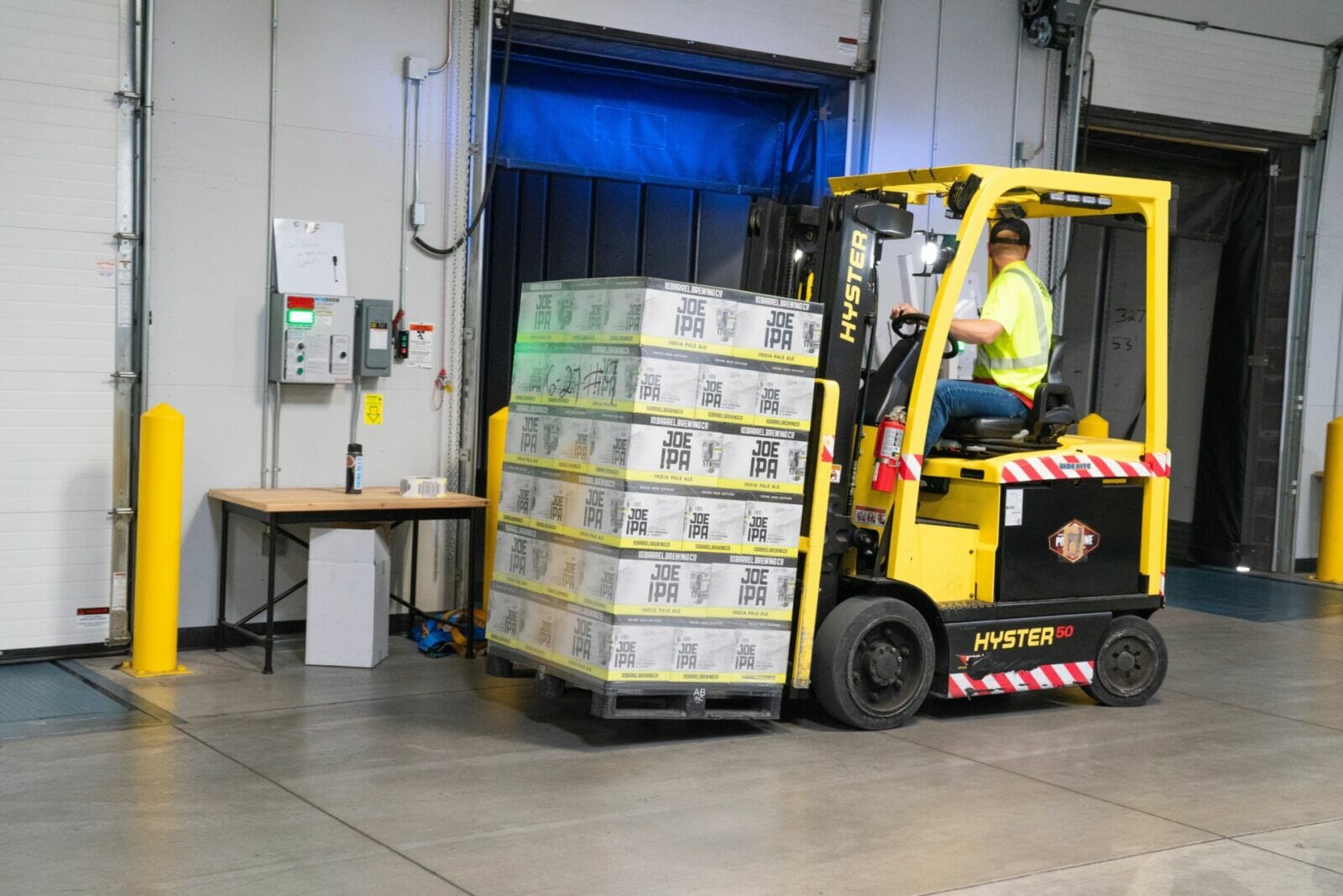
A forklift is more than a line item on a balance sheet. It’s a working asset, often expected to deliver years of reliable service under demanding conditions. But unlike static equipment, forklifts lose value in ways that are both mechanical and operational. Poor handling, delayed maintenance, and missed warning signs can quietly chip away at performance, safety, and resale potential long before a machine actually fails.
That’s why routine inspections matter so much. They don’t just help avoid breakdowns. Done properly, they protect the long-term value of the asset itself.
Forklift value is shaped on the warehouse floor
When people think about depreciation, they often picture age and usage hours. Those factors matter, of course, but they don’t tell the whole story. Two forklifts of the same make, model, and age can have very different market value depending on how they’ve been maintained.
Wear affects more than day-to-day performance
A forklift that starts every morning and completes its shift can still be losing value faster than it should. Minor issues such as uneven tyre wear, chain stretch, fluid leaks, or damaged forks may not stop operations immediately, but they signal neglect. Over time, those issues lead to more expensive repairs and reduce buyer confidence if the truck is later sold or traded in.
Routine inspections help catch that slow drift. They create a pattern of care that keeps deterioration under control instead of allowing problems to stack up.
There’s also a practical operational benefit here. Equipment in better condition tends to deliver more consistent handling, fuel or battery efficiency, and operator confidence. In other words, the same practices that preserve residual value also improve the forklift’s usefulness right now.
What routine inspections actually catch
Inspection routines are valuable because forklifts rarely go from “fine” to “failed” without warning. Most major issues start as smaller, visible, or measurable defects.
Small faults before they become expensive failures
Daily pre-use checks and scheduled inspections are designed to spot the kinds of problems that are cheapest to fix early. Think hydraulic hose wear, mast roller damage, brake response changes, or steering play. Left unchecked, these can turn into unplanned downtime, component replacement, or even accident-related costs.
A disciplined inspection process usually focuses on:
- tyres and wheels
- forks, mast, and lift chains
- brakes, steering, and controls
- warning lights, alarms, and safety devices
- hydraulic lines, seals, and fluid levels
- battery condition or engine-related checks
None of this is glamorous, but it is where asset preservation happens. Businesses looking for practical tips to extend forklift lifespan often find that the biggest gains come from consistency rather than complexity. A simple, well-followed inspection routine does far more for equipment value than reacting only when something breaks.
Safety issues that damage value as well as compliance
There’s another side to inspections that often gets overlooked: safety defects don’t just create risk, they also reduce asset quality. A forklift with worn forks, unreliable brakes, or inconsistent mast performance isn’t merely non-compliant. It’s less desirable, less dependable, and more expensive to put right.
That matters whether you keep the truck for ten years or replace it on a shorter cycle. Machines with a clear history of safe operation and prompt defect correction tend to hold value better because the condition is easier to verify and trust.
Inspection discipline lowers total cost of ownership
Protecting investment value isn’t only about eventual resale. It’s also about the amount you spend, directly and indirectly, to keep the forklift productive over its working life.
Daily checks and planned maintenance play different roles
Daily operator inspections and technician-led servicing are not interchangeable. One catches immediate operational defects; the other addresses deeper mechanical condition. The strongest asset protection strategy uses both.
Daily checks help identify damage as it happens. That means bent forks, tyre cuts, leaking hoses, or warning-light faults can be dealt with before the next shift turns them into bigger issues. Planned servicing, meanwhile, keeps wear components within tolerance and supports a cleaner maintenance record.
Together, they reduce three common causes of accelerated value loss:
Deferred repairs
When minor issues are repeatedly postponed, they usually affect connected parts. A leak becomes a pump issue. A tyre problem affects stability and puts extra strain on suspension or steering components.
Avoidable downtime
A forklift sitting idle during an unexpected repair still costs money. It may also force businesses to hire replacement equipment or delay workflow, both of which raise the real cost of poor maintenance.
Cosmetic deterioration with mechanical consequences
Scuffed panels alone won’t ruin a truck’s value, but visible damage often points to rough use and weak reporting culture. Buyers and fleet managers alike know that cosmetic neglect can be a sign of deeper mechanical neglect.
Maintenance records turn upkeep into asset strategy
A well-maintained forklift is valuable. A well-maintained forklift with documented proof is even more valuable.
Documentation builds confidence
Inspection logs, service reports, and repair records show that the machine has been managed systematically rather than casually. That helps internal decision-making just as much as external valuation. If you’re assessing whether to refurbish, rotate, or replace a truck, good records make that judgement far more accurate.
They also reveal patterns. If one truck repeatedly shows tyre damage, mast wear, or battery issues, the problem may not be the equipment alone. It might point to route conditions, operator habits, charging routines, or load handling practices. In that sense, inspections protect value not only by finding faults but by exposing the causes behind them.
Culture matters as much as checklists
Inspection forms are useful, but culture is what makes them effective. If operators feel rushed, defects go unreported. If minor damage is normalised, maintenance becomes reactive. If supervisors treat inspections as paperwork rather than operational intelligence, the process loses its value.
The best routines are realistic and repeatable
The most effective inspection systems are not necessarily the most complex. They are the ones people actually follow. Clear responsibility, simple reporting channels, and fast responses to identified issues make routines stick.
That consistency is what protects investment value over time. Not a single major repair. Not a one-off service. A pattern of attention.
The bottom line
Forklifts lose value in predictable ways, and most of them are preventable. Routine inspections help businesses catch wear early, avoid unnecessary repair costs, improve safety, and maintain a stronger record of care. All of that contributes to a machine that performs better now and holds its value more effectively later.
In a busy operation, it’s easy to see inspections as a compliance task or maintenance formality. In reality, they’re one of the simplest ways to protect the return on a significant equipment investment.