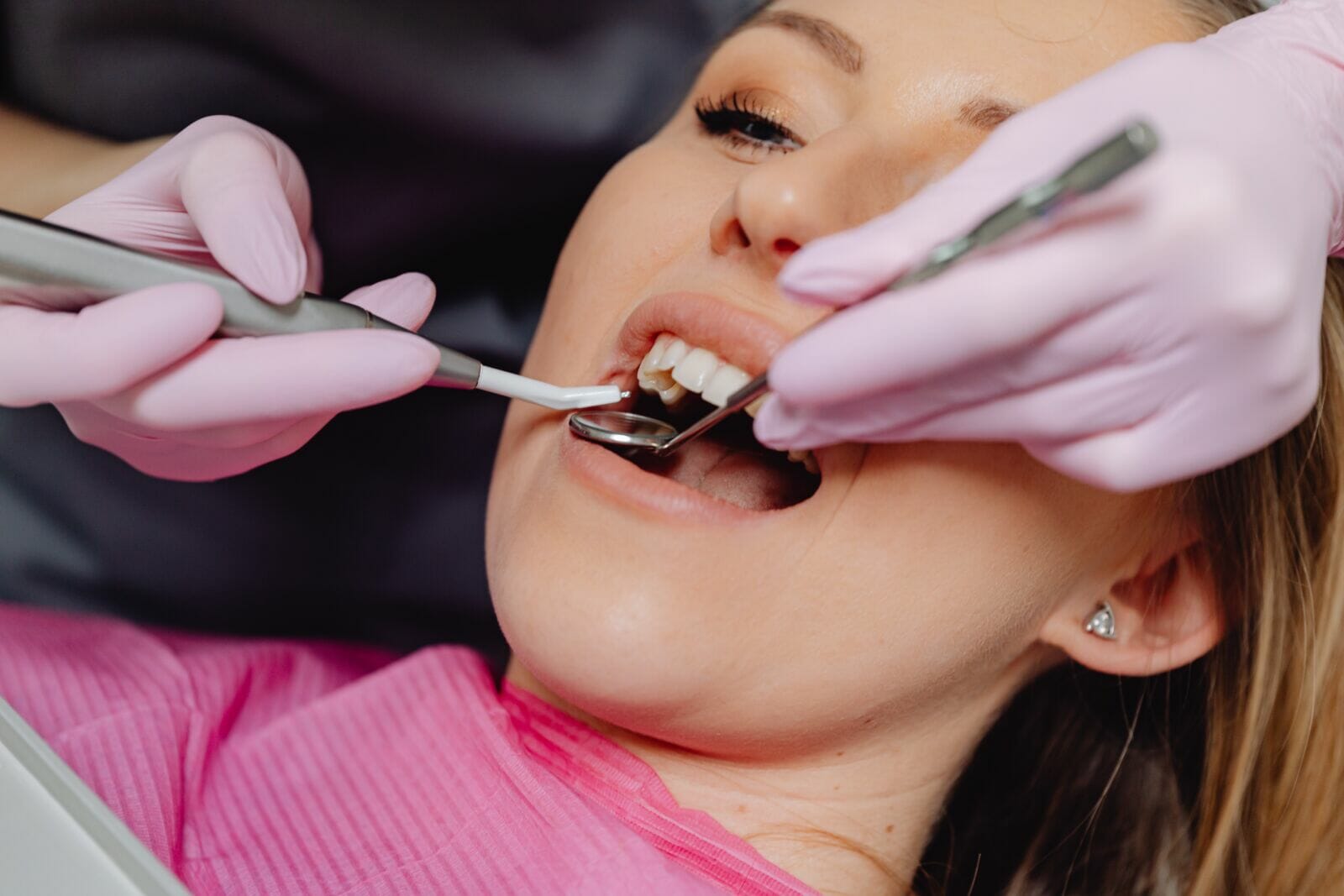
Four questions. You’ve heard them every six months for years, sometimes word for word: any sensitivity, any bleeding, any changes, any new medications. You answer on autopilot, the chair reclines, and the cleaning starts.
Here’s the part that should make you sit up a little. That script isn’t laziness or a form the hygienist has to get through. It’s a screening tool, and it changes the treatment plan more often than most patients realize. If your answers have drifted in a direction you didn’t notice, or if you’ve started avoiding one side of your mouth without thinking about it, it’s worth knowing that you can visit a rolla dentist for personalized care instead of waiting out the calendar. Small-town practices see the same families for decades, so the questions double as a memory aid.
Below is what each question is actually fishing for, where the routine breaks down, and how to walk in prepared so the fifteen minutes in the chair do their job.
What the four questions are really screening for
Think of the intake conversation as a net with wide holes. Each question catches a different category of problem that a visual exam alone can miss.
- Sensitivity: a two-second twinge on cold water can point to enamel wear, a cracked filling, or early gum recession exposing a root surface.
- Bleeding: gums that bleed when you floss are not “normal for you.” They’re an early signal of inflammation, and dentists treat the word “always” as a red flag.
- Changes: new chips, a tooth that feels different on your tongue, jaw clicking, a rough edge you keep noticing.
- Medications: the biggest update of the four. Blood thinners, blood pressure drugs, and some antidepressants all shift what’s safe and what to watch.
According to the CDC, regular dental visits and preventive care sit at the center of oral health for adults and children alike. That’s a broad statement, and it’s meant to be. The point isn’t a specific statistic; it’s that the routine exists because it works, and it works best when your answers are current.
MORE NEWS: Atari Hotels breaks ground in Roosevelt Row
DEEPER DIVE: 10 Arizona restaurants make Yelp’s Top 100 Mexican food spots
Why the questions repeat, word for word, every time
If you’ve ever thought “she just asked me this in October,” you’re right, and the repetition is deliberate. Three reasons, roughly in order of how often they matter.
People underreport. A patient who’s had a dull ache for three weeks will often describe it as “fine” until asked directly with a specific question. A generic “how are you” gets a generic answer. A pointed “does anything hurt when you drink coffee” gets the truth.
Health moves between visits. Six months is plenty of time to start a new blood pressure medication, get pregnant, pick up a night guard, or develop a habit of chewing ice. Your chart from last spring is a snapshot, and the chairside update is the current photo.
Consistency protects you. Standardized questions make it harder to miss something in a busy afternoon. I’d rather hear the same four questions from a hygienist who’s half asleep than get a fresh, creative conversation that skips the medication update before a filling.
The compromise I’d push for: ask your dentist to flag which answers actually changed the plan last time. That turns a form into a conversation, and you’ll remember the one that mattered.
The updates patients forget to mention
This is where the routine earns its keep, and where most of the misses happen. A few things patients routinely leave out because they don’t seem “dental.”
- A new prescription from your primary doctor, even a routine one.
- Pregnancy, or trying to conceive. Timing of X-rays and elective treatment can shift.
- New supplements, especially anything that thins the blood or affects clotting.
- A change in insurance, which affects what gets scheduled today versus next quarter.
- Anything your doctor told you about your heart or diabetes that they framed as unrelated.
Here’s why that last one matters even if it feels out of scope. The National Institutes of Health notes that oral health and general health are connected, which means the mouth isn’t a separate system. Your dentist isn’t diagnosing your blood pressure, but the conversation belongs in the room.
If a change is on your medication list, it belongs in your dentist’s chairside update. Not because it will change the cleaning, but because it might change the plan.
The two-minute prep that makes the visit count
I’d bet a cleaning fee that half the value of a checkup is lost in the first ninety seconds because nobody walks in prepared. Here’s the short version I’d actually use.
- Jot down the changes. Medications, symptoms, new habits. Three lines on your phone is enough.
- Be brutally honest about flossing. The hygienist already knows. You save time and get better advice when you say “twice a week, maybe” instead of “every night.”
- Bring your insurance card and the plan details. Coverage questions stall appointments, and it’s easier to sort before you’re reclined.
- Ask one forward-looking question. “What should I watch for before the next visit?” turns the appointment from a report card into a plan.
The “I’ll bring it up next time” trap
A patient once told me, in plain terms, that he’d been avoiding the left side of his mouth for the better part of a year. Six months of checkups, six months of “everything feels fine,” because he didn’t want to seem like a complainer. That’s the trap. The routine questions only catch what you actually report, and “I’ll mention it next time” is a decision to wait, even when waiting isn’t free.
The other trap is the opposite: assuming every twinge needs an emergency appointment. Most don’t. What matters is a habit of mentioning them at the next scheduled visit, even briefly, so they get a real look instead of living on a mental list.
What this looks like when the practice is small
There’s a subtle advantage in a community practice, the kind where the front desk knows your kids and the hygienist remembers which tooth you chipped in high school. The questions get shorter because the context is longer. A hygienist who’s seen your chart for fifteen years catches patterns a new office would have to rediscover.
That cuts both ways, though. Familiarity can breed a kind of shorthand where both of you assume the answers are the same as always. The fix is on the patient side: treat each visit as a fresh update, not a rerun, and expect to be asked about meds and symptoms even if the chair feels like home.
Here’s the test I’d use for any practice. After your next appointment, ask yourself whether you could have told them anything that would have changed the plan. If the answer is “no,” you were prepared. If the answer is “I forgot to mention…” you now know where the value leaked out.
Walk into your next visit with three lines of updates and one honest answer about flossing. That’s the whole trick, and it makes the questions you’ve heard a hundred times start earning their keep.