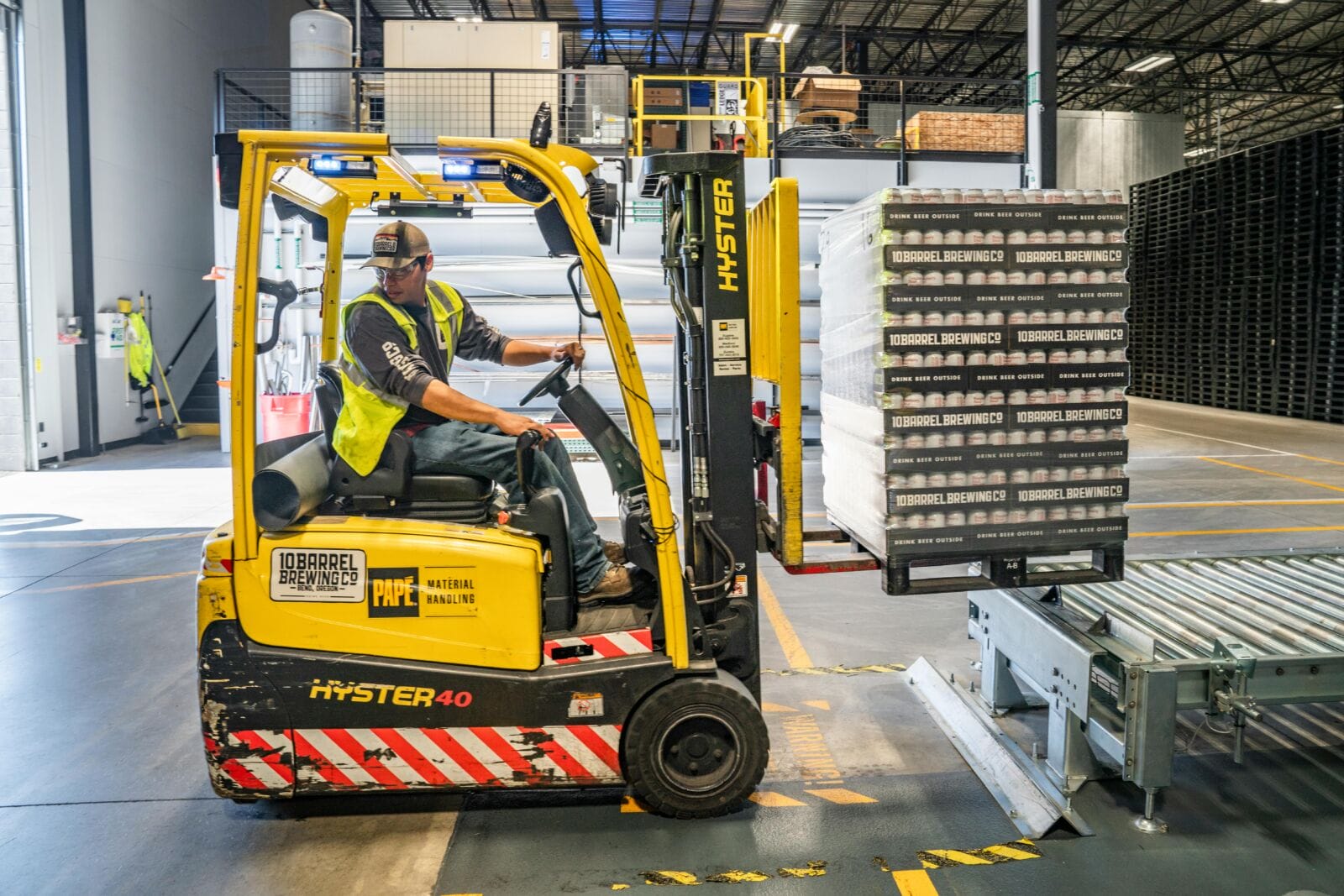
There are more orders being processed within the warehouse industry in the USA than there have been before because of the growth in e-commerce, retail, and B2B demand. The problem with that is now operations need to be done quicker, and they need to be accurate and consistent through all orders. However, there are a lot of warehouses that experience variability within their process, and their decisions are made manually, which results in errors and delays.
A warehouse management system is crucial in addressing these issues. It provides structure, clarity, and control in complicated warehouse settings, thus ensuring consistency in operations. In the quick-paced supply chain scenario, where timely fulfilment affects client satisfaction directly, the need for an organised and systematic process becomes imperative.
What Role Does a Warehouse Management System Play in Structuring Warehouse Operations?
Operations in USA warehouses may differ based on team, shift, or workload. This is where the implementation of a warehouse management system becomes useful since it provides consistent workflows for all processes, such as receiving, putaway, picking, packing, and shipping.
It automates the decision process using system-based task scheduling to ensure that tasks follow an organised pattern. This automation minimises human intervention and ensures that all tasks are performed in an identical manner, regardless of the specific zone in which the tasks are carried out in the USA warehouses. With time, this increases cooperation among employees and enables smooth operation irrespective of any changes in demand or staffing at USA-based facilities.
DEEPER DIVE: Read all the Ranking Arizona Top 10 lists here
INDUSTRY INSIGHTS: Want more news like this? Get our free newsletter here
How Does a Warehouse Management System Improve Inventory Accuracy and Order Reliability?
Accurate tracking of inventory becomes very difficult for US-based warehouses due to large orders and different zones involved. A warehouse management system helps overcome this problem by keeping track of the inventory in real-time.
Such visibility eliminates the possibility of stock discrepancies and ensures that the appropriate goods are readily available when required. Furthermore, the system provides directions for picking tasks along with validation checks to reduce any possibilities of errors. Consequently, in the USA, warehouses can avoid order discrepancies and minimise the likelihood of reprocessing and returns.
What Enables a Warehouse Management System to Optimise Order Processing Speed and Throughput?
Speed is important for fulfilment activities in the USA, and this is made possible through the implementation of a warehouse management system that utilises an organised approach to picking processes while ensuring intelligent task allocation.
- It applies methods like wave, batch, and zone picking to process multiple orders efficiently.
- It prioritises tasks based on order urgency and shipping schedules.
- It balances workloads across available resources to reduce idle time and congestion.
These capabilities assist warehouses in ensuring a smooth operation process despite the high demand. Through coordination of activities and resources, the system helps process orders faster without compromising on consistency under varying operating circumstances.
How Does a Warehouse Management System Support Multi-Channel Fulfilment Consistency?
In the USA, many warehouses receive orders from a variety of channels such as e-commerce platforms, retail stores, and wholesalers. This makes order management difficult for them if there is no unified system. The warehouse management system is useful for bringing all order profiles into a single platform.
This ensures that the entire process of fulfilment is standardised, irrespective of where the order originates from. With this centralised approach, warehouses will be able to prioritise orders and manage their activities efficiently in all sales channels. By maintaining the same level of performance across all fulfilment activities, warehouses in the USA can deliver a reliable customer experience.
How Addverb Supports Warehouse Management System-Driven Fulfilment Efficiency
Addverb’s warehouse management system, Optimus, provides real-time tracking of inventory and order management, along with task management for the seamless functioning of a warehouse. It ensures that a warehouse in the USA can perform its activities in an organised manner while maintaining visibility across all processes.
The system is capable of being integrated with other aspects of Addverb’s larger automation ecosystem, such as robotic solutions and a material handling conveyor system. This allows for the synchronised operation of all fulfilment activities, from moving the materials around to updating inventory records after orders have been processed. The platform is designed in such a way that it helps warehouses maintain accuracy and speed even as order volumes increase.
Conclusion
The implementation of a warehouse management system is crucial to ensure that the fulfillment operations are carried out in a systematic, precise, and fast manner. Such a system allows better visibility of the inventory, improves control over the process, and enhances throughput regardless of the variations in demand. The warehouse management system from Addverb supports scalable and automation-ready fulfillment strategies, enabling USA warehouses to achieve efficiency and consistency.