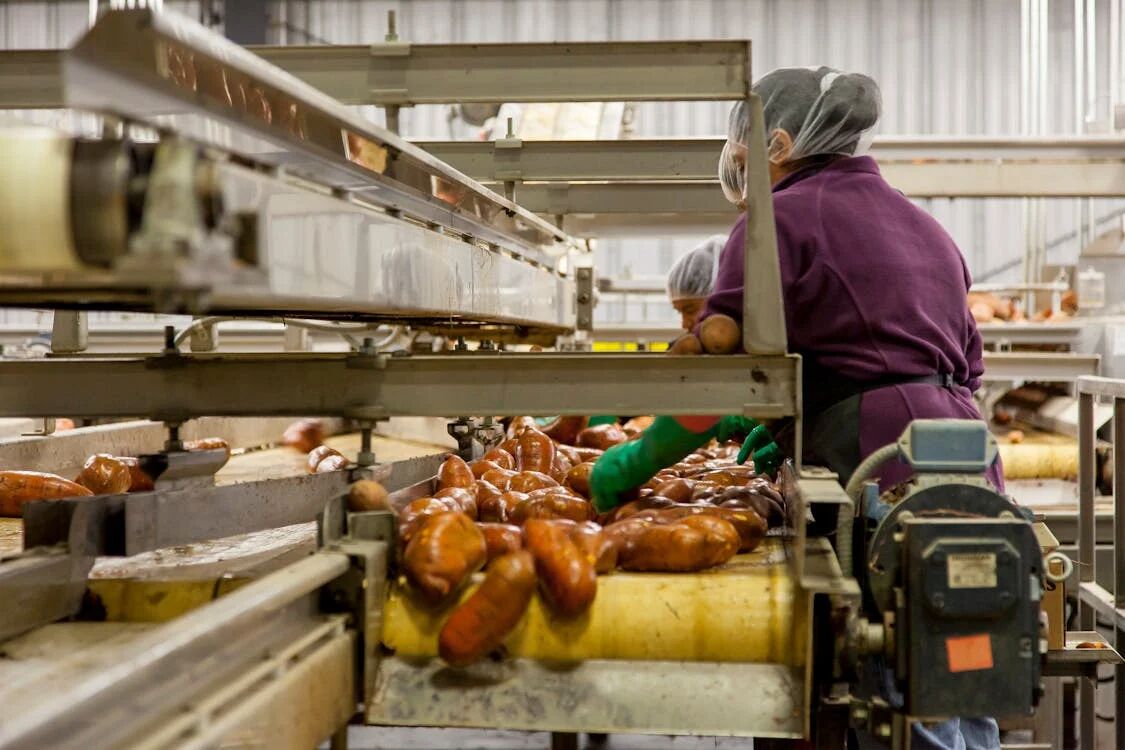
Seriously—feeding the world is no small task. It’s always been messy, time-consuming, and kind of chaotic, honestly. From the early days of manual labor and guesswork to today’s sleek, high-tech factories, the food industry has come a very long way.
But things have gotten… complicated. Populations are growing like crazy. Consumers want organic, sustainable, locally grown—but also cheap and fast. Labor shortages? Yep. Climate issues? You bet. And let’s not even talk about supply chain drama.
So, what’s saving the day (well, sort of)? Automation. Not perfect, not magical—but definitely game-changing.
Enter the Machines: The Shift Toward Automation
So here’s the thing—this whole automation wave? It’s not just hype. It’s actually changing the game in food production. A lot. Maybe even more than people realize.
And okay, not everything about it is super sleek or futuristic. But still, a lot has been happening behind the scenes. Like, way more than just conveyor belts or machines slicing bread all day (though yeah, that’s still a thing too).
What’s wild is—robots are now out here guiding themselves with scary-good precision. Sensors are sniffing things out. Literally. AI is calling the shots on stuff like portion sizes and quality checks. It’s weirdly impressive.
Packaging, sorting, cooking, quality control—it’s all getting handled faster, and honestly, more accurately than humans could manage on their own. Not that people don’t try their best. They do! But let’s be real—mistakes happen. Machines aren’t perfect either, but when they’re running smooth? Very efficient.
And yeah… at the center of all this high-tech chaos is something not-so-glamorous sounding: food processing equipment. Doesn’t exactly roll off the tongue, right? But still, that’s what’s quietly powering this whole shift. Kind of cool. Kind of intimidating. Mostly necessary.
READ MORE: Here is the outlook for Phoenix’s 2026 housing market
LOCAL NEWS: Want more stories like this? Get our free newsletter here
Speed, Consistency, and Honestly—Fewer Mistakes
One of the biggest perks of automation is speed. Machines don’t take coffee breaks. They don’t call in sick or get tired. That means 24/7 production is actually possible now, and that’s a pretty big deal.
And consistency? Whew. It’s one thing humans just can’t nail every single time. Machines follow instructions exactly (unless they’re broken—let’s not pretend they’re flawless). But still, with automation, you’re getting nearly identical products, batch after batch.
Which leads to fewer mistakes. Less waste. Less chance of someone biting into something they really shouldn’t be biting into.
But Wait—Jobs? Labor? What’s the Deal There?
Here’s where things get a bit sticky. Yeah, automation can replace human labor. That’s not a conspiracy theory; it’s a fact. Line workers and manual labor roles have been affected—and are still being affected. It’s not always a great look.
But here’s another truth: automation has also created new jobs. Ones that didn’t exist before. Think robot maintenance techs, software operators, and automation engineers. Not everyone’s thrilled about that tradeoff, and honestly, not everyone has the training or access to make the switch. That’s real.
So, is automation killing jobs or creating them? Kind of both. It’s complex. No clean answers here.
Sustainability: The Surprise Hero in All This
You wouldn’t think machines = green, but hear me out. Automation is helping make food production way more sustainable. Systems can optimize water use, minimize waste, and even help reduce energy consumption.
Plus, smarter packaging machines are cutting down on excess plastic. AI-driven logistics can prevent overproduction (and overstocking), which means less food gets tossed. Honestly, it’s a very quiet win for the planet. Not enough people talk about this part.
Quality Control Just Got…Kind of Superhuman
Okay, here’s where it gets very sci-fi. Some automation systems are equipped with computer vision that can spot mold, bruises, or other issues faster—and more accurately—than the human eye. Like, ridiculously fast.
Imagine a stream of tomatoes flying past a high-speed camera. That camera can detect which ones are a no-go in real-time and send them packing (literally). No offense to human sorters, but that’s tough to beat.
Some machines even “sniff” for contamination or test shelf life on the fly. It’s like QA 2.0. Actually, probably 3.0 at this point.
Customization & Flexibility? That Too
You’d think machines = rigid. But that’s not the case anymore. Today’s automation systems are built to be super flexible. Want to produce 1,000 veggie burritos today and pivot to gluten-free muffins tomorrow? The machines can keep up—after some reprogramming, obviously.
This kind of agility is really helpful for responding to trends and sudden shifts in demand. Like, remember when everyone suddenly needed sourdough starter and yeast in 2020? Yeah, automation makes pivoting like that possible (ish).
The Price Tag: Not Exactly Cheap
Let’s not gloss over this. Setting up an automated food production line costs a lot. Small and mid-sized businesses often can’t afford the kind of tech that big corporations use. So, while automation is reshaping the industry, it’s not doing it evenly.
The upfront investment is no joke. And maintenance? That’s another ongoing cost. Plus, if something goes wrong mid-run, you might lose an entire batch of product. Ouch.
Still, for those who can afford the tech? The long-term payoff usually outweighs the costs. Eventually.
What’s Next? Honestly, Who Knows
Tech moves fast. What’s groundbreaking today might be outdated by next year. We’re seeing buzzwords like machine learning, predictive maintenance, digital twins—and while they sound impressive, it’s hard to keep up. It’s like every company is trying to out-futurize the next.
But one thing’s clear: automation in food production isn’t going away. It’s going to keep evolving, whether we’re ready or not.
And hey, maybe one day robots will be able to bake grandma’s cookies perfectly. But let’s be real—probably not with the same love.
Automation is Cool, But It’s Not Magic
It’s easy to get swept up in all the sleek tech and flashy machines, but automation isn’t some flawless miracle. It’s just a tool—albeit a very powerful one. It can make food production faster, cleaner, more efficient, and honestly? Safer.
But it still depends on humans. For oversight. For creativity. For making the call when things get weird (and they do).
So yeah, automation is reshaping modern food production in really big, very real ways. But there’s still room for human touch, and maybe that’s how it should be.
Messy, imperfect, and kind of beautiful. Just like food itself.