For UK businesses looking to grow internationally, the United States offers access to a large and diverse market of consumers, retailers, distributors and commercial buyers. In 2025, UK exports to the US were worth £202.5 billion, making it the UK’s largest export market and accounting for 21.8% of total UK exports, according to UK Government export data.
For SMEs and growing exporters, reaching US buyers can take several forms. Some sell through an American distributor or wholesale partner, while others supply retailers directly or build their own US customer base.
Securing a buyer is only one part of the process. Shipment size, freight costs, delivery expectations, customs requirements and stock availability can all affect margins and how easily US sales can scale.
Choose the Right Route to Market
How a UK business reaches US buyers will shape the way stock needs to move. A company supplying an American distributor may send larger, less frequent consignments, while direct sales to retailers or customers may require smaller and more regular shipments.
Working through a distributor can simplify market access because one commercial partner may handle onward sales and distribution. Selling directly gives the exporter more control over pricing and customer relationships, but creates more responsibility for fulfilment and stock availability.
Key points to decide early include:
- Order structure: Agree minimum order quantities, case or pallet quantities and how often stock will need replenishing.
- Stock location: Decide whether orders will be fulfilled from the UK or inventory held in the US for faster onward delivery.
- Shipping responsibilities: Agree the relevant Incoterm so both sides understand responsibility for freight, insurance, import clearance, duties and final delivery.
- Landed cost: Consider transport, duties and fulfilment costs when setting prices, rather than looking only at the international freight charge.
The model can change as demand develops. A business might begin with smaller orders to test the US market, then move towards larger wholesale or distributor shipments once sales become more predictable.
Match the Freight Method to the Order
Once the sales model is clear, businesses can choose a freight method that reflects the size, urgency and commercial requirements of each shipment. A lower freight rate may not provide the best overall value if a slower service risks missing a retailer launch, stock deadline or customer commitment.
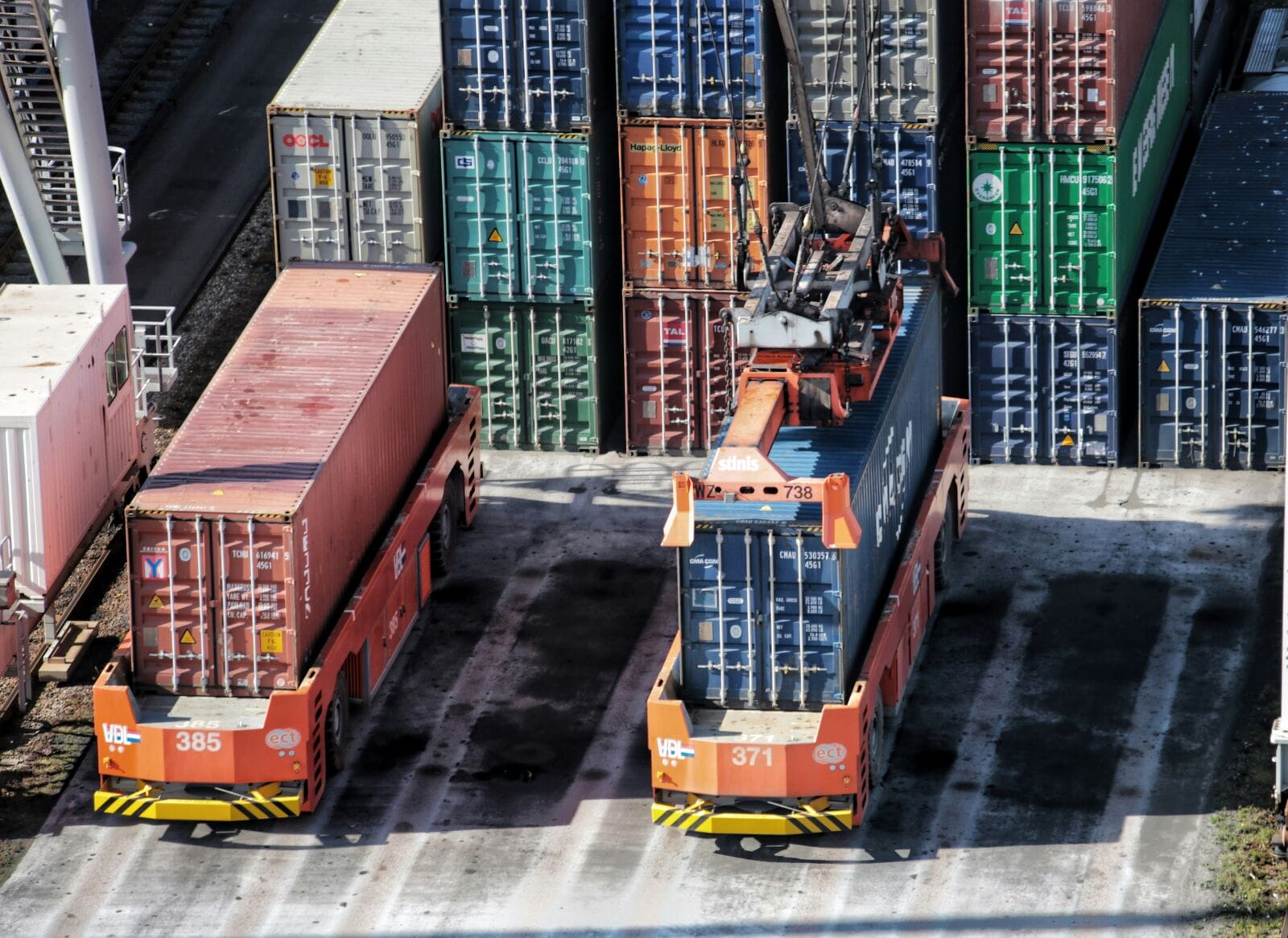
For larger, less urgent consignments, economical sea freight from the UK to the USA can provide a practical way to move stock in volume. Depending on shipment size, businesses may choose FCL for exclusive container use or LCL when only part of a container is required.
Air freight can be more appropriate for smaller or time-sensitive consignments. Some exporters use both methods, moving planned stock by sea while reserving air freight for samples, urgent replenishment or orders tied to a fixed deadline.
The main international journey is only part of the schedule. UK collection, handling, customs procedures and final US delivery all contribute to the overall lead time.
Get the US-Bound Shipment Ready to Move
Once the order and freight method are agreed, shipment information and paperwork need to match the goods being collected. Even a correctly booked shipment can be delayed by inaccurate documentation.
Exporters should check:
- Commercial invoice: Include clear product descriptions, quantities, values and buyer and seller details.
- Commodity code: Make sure the goods are classified correctly for customs purposes.
- Packing details: Check carton or pallet counts, weights and dimensions against the physical shipment.
- EORI number: Businesses exporting from Great Britain will generally need the appropriate EORI details.
- Destination requirements: Check whether the product needs specific labelling, documentation or country-of-origin information for the US market.
The UK Government’s export guidance explains the customs steps businesses should check before goods leave Great Britain, including whether an export declaration is required.
Checking these details before collection gives the exporter, freight forwarder and US buyer time to correct discrepancies before the goods are in transit.
Build a Reliable US Export Process
Reaching US buyers successfully is not only about making the first sale. As orders grow, businesses need a practical way to keep stock moving without letting freight costs, delays or inventory levels become difficult to manage.
That means matching each shipment to the right freight method, keeping commercial information accurate and setting realistic delivery expectations. As US demand becomes more predictable, exporters can review whether larger consignments, holding stock closer to customers or using a different balance of sea and air freight makes commercial sense.
Building these decisions into the wider sales strategy can help UK businesses serve US customers more consistently while keeping closer control over stock, delivery costs and cash flow.