Most business owners think about security twice: once when they open, and once after something goes wrong. The second occasion is considerably more expensive.
A security plan doesn’t need to be a thick document or a large budget line. What it needs is to be specific to your site, written down, and actually reviewed. Here’s how to put one together without overcomplicating it.
Start With an Honest Risk Assessment
Before buying a single camera, walk your property as though you intended to break into it.
Where would you enter? Which door is routinely propped open for deliveries? Which window is hidden from the street by a hedge? Where does the lighting fail after dark? Which parts of the site can’t be seen from the office or the counter?
Write these down. This list is the foundation of everything that follows, and it’s the step most businesses skip in favour of buying equipment first.
Then consider what you’re actually protecting, because different assets need different approaches. Stock and equipment are vulnerable to theft. Cash is a target at specific, predictable times. Data sits on servers and laptops. Staff and customers need protection from aggression and medical emergencies. Your reputation depends on visitors feeling safe. A plan built only around theft will leave gaps in the others.
Think in Layers, Not Single Solutions
Effective security works in concentric rings, so a failure at one layer doesn’t expose everything.
The perimeter comes first: fencing, gates, signage, and landscaping that doesn’t provide cover. Overgrown shrubs near entry points are one of the most common and most easily fixed vulnerabilities.
The building envelope is next: door quality, lock standards, window security, and roof access points. Many break-ins exploit a rear door that was never upgraded when the front was.
Interior zones follow: restricting access to stock rooms, server cupboards, and offices so that a person inside the building still can’t reach everything.
High-value points sit at the centre: safes, cash handling areas, and secure storage for critical equipment.
The point of layering is delay. Most opportunistic offenders leave when a site takes too long to get into.
Get Access Control Right
Keys are the weakest part of most systems, simply because nobody tracks them. Ask yourself how many former employees might still have one, and whether you’d know.
Electronic access control solves this by letting you revoke individual credentials instantly and by producing a log of who entered where and when. That log is invaluable after an incident and useful for routine questions like whether a delivery actually arrived when claimed.
Whatever system you use, maintain a register. Who holds what, when it was issued, and when it was returned. Review it whenever someone leaves.
MORE NEWS: Fairmont Scottsdale Princess sold to San Manuel Investment Authority
Light the Places That Matter
Lighting is the cheapest deterrent available and the most commonly neglected. Car parks, loading docks, rear entrances, and pathways between buildings all deserve attention.
Motion-activated lighting works well in areas with no legitimate night-time activity, since sudden illumination is more startling than constant light. Constant lighting suits entrances and any area covered by cameras, because footage from a poorly lit scene is often useless when you need it.
Check your lighting at night, not during a daytime inspection. It’s the only way to see what’s actually dark.
Choose Surveillance for Evidence, Not Just Presence
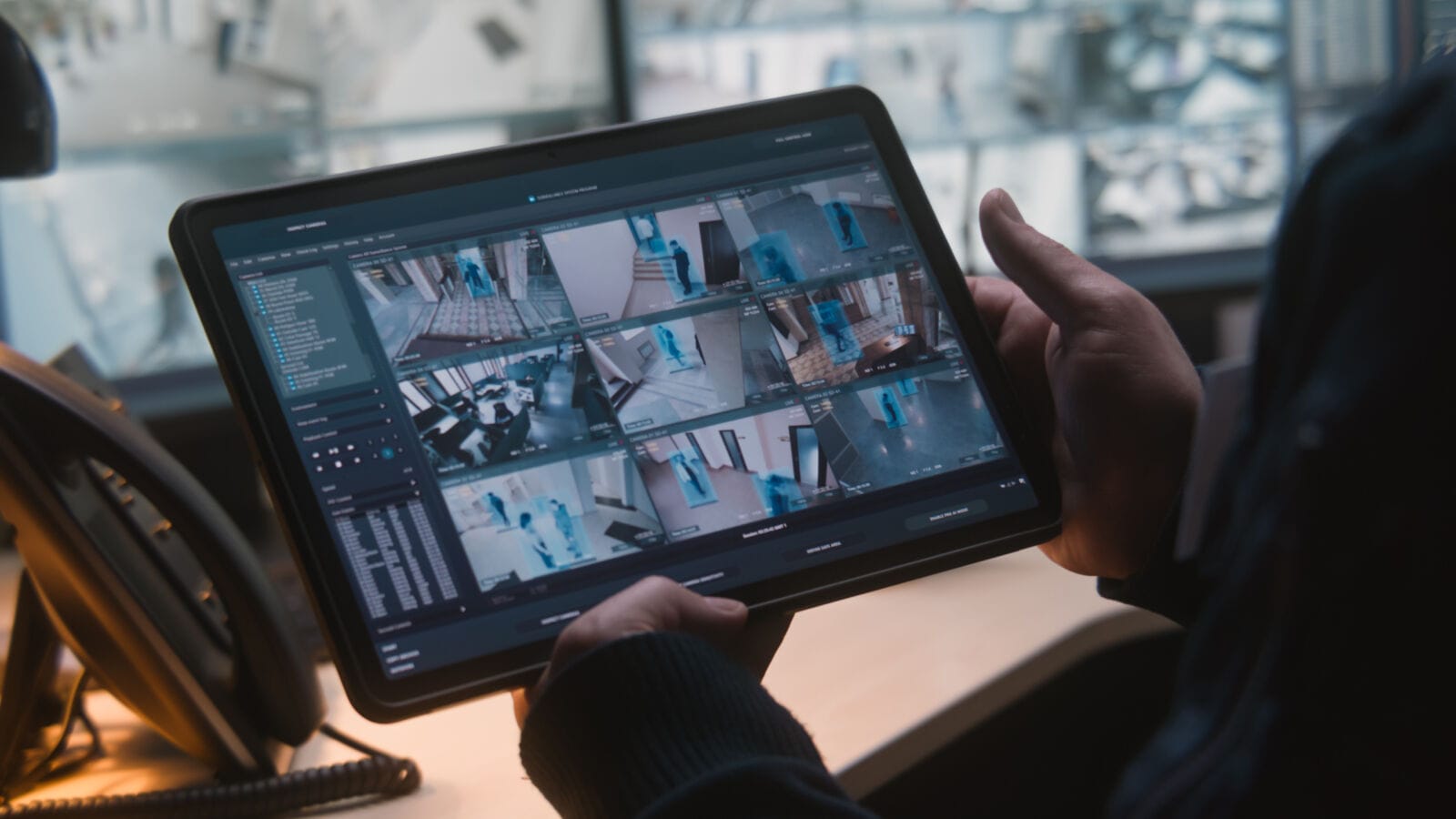
Cameras deter some offenders and record the rest, but only if specified properly. A wide shot covering an entire car park usually can’t identify anyone. Positioning cameras at choke points, such as doorways and corridors, at face height, produces footage police can actually work with.
Check your storage retention period too. Discovering that footage was overwritten after seven days, when the incident happened ten days ago, is a common and avoidable frustration. Confirm image quality after installation by reviewing recorded footage rather than the live feed.
For sites that need a monitored response rather than simple alarm recording, choosing reliable security companies Melbourne can provide the added support of a trained officer responding when an alarm is triggered instead of the alert going to an unattended phone at 2am.
Decide What Happens When an Alarm Goes Off
An alarm system without a response plan is just a noise.
Document who gets notified, in what order, and what they’re expected to do. Decide whether staff attend call-outs personally, which carries real risk and is worth thinking hard about, or whether a professional response service handles it. Keep an up-to-date key holder list, and make sure whoever holds keys knows they’re on the list.
Test the system regularly. Alarm faults are usually discovered during a genuine incident, which is the worst possible time.
Train Your People
Staff are your most capable security asset and your most common vulnerability. A short induction covering a few basics goes a long way:
- Locking up properly, including checking rear and side doors
- Not propping fire doors open for convenience
- Challenging or reporting unfamiliar people in staff-only areas
- Handling aggressive customers safely, with de-escalation first
- Knowing who to call and in what order
Refresh this annually. Procedures learned once and never revisited tend not to survive a stressful moment.
Manage Cash and Deliveries Deliberately
If your business handles cash, vary banking times and routes rather than following a predictable pattern. Keep minimal float on the floor, use a time-delay safe where practical, and never count cash in view of the public.
Deliveries deserve similar thought. An unattended loading dock is an open invitation, and delivery times are among the easiest patterns for an outsider to observe.
Build a Simple Incident Log
Record every incident, however minor: attempted entries, suspicious behaviour, damaged fencing, near misses with aggressive customers.
Patterns only become visible when written down. Three separate reports of someone loitering by the rear gate mean far more together than any one of them does alone, and a log is genuinely useful if you ever need to demonstrate that you took reasonable steps.
Know When to Bring in Professionals
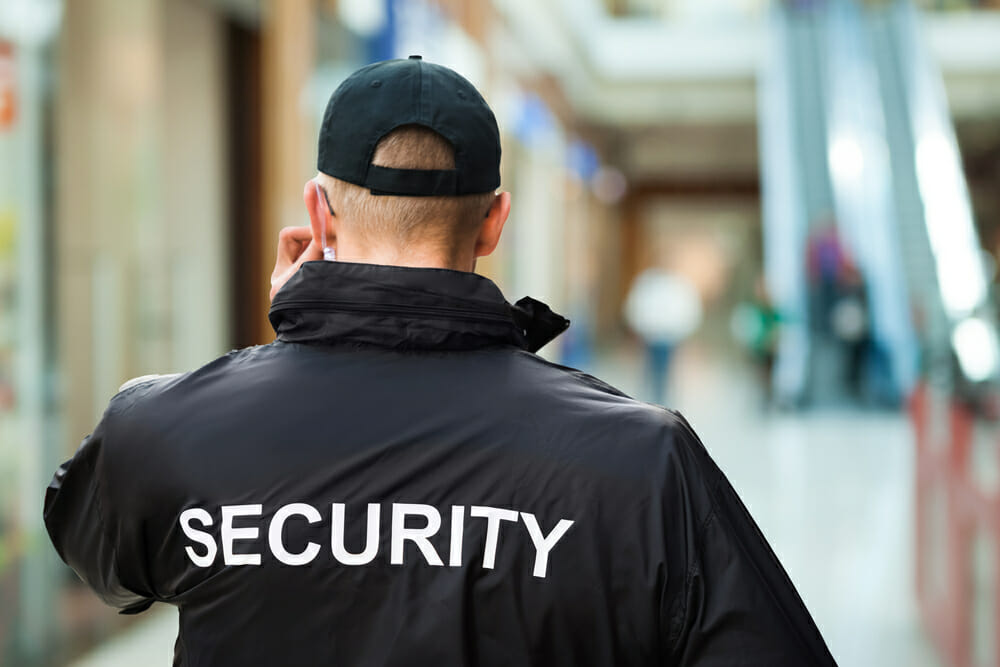
Some sites need a physical presence rather than technology alone. Construction sites with valuable plant, retail premises with theft problems, venues managing crowds, and businesses in isolated locations all fall into this category.
When choosing a provider, businesses looking for security services Melbourne should always verify licensing first. In Victoria, private security providers must hold a licence issued under the state’s private security regulations, and any legitimate operator will supply their licence number on request. Ask about guard training, supervision arrangements, insurance, and how incidents are reported back to you.

Review It Annually
A security plan written once and filed away becomes inaccurate within a year. Staff change, layouts change, and stock values change.
Set an annual date to walk the site again, review the incident log, test the alarm, check the key register, and confirm your contact lists are current. An hour a year is a small price for knowing your plan still matches your business.
Security done well is mostly unremarkable. Nothing happens, and that’s precisely the point.