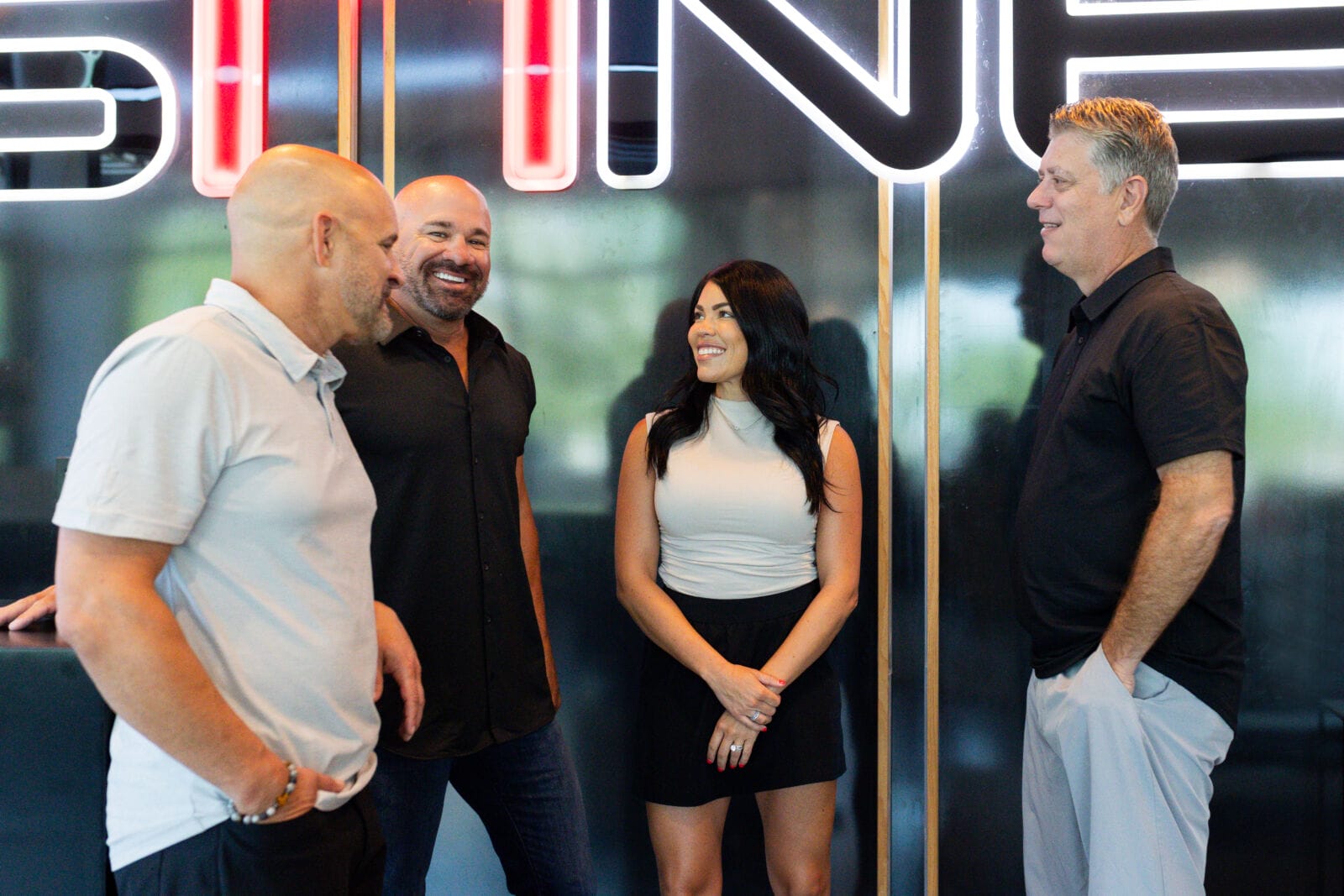
In construction and development, the way a project is delivered matters just as much as what is built. In high-growth markets like Arizona, where timelines are compressed, complexity is increasing and expectations are high, misalignment isn’t just inefficient, it’s a risk.
That’s why core values, when clearly defined and consistently applied, function as more than internal culture statements. They become operational tools that shape communication, decision-making and ultimately the client experience.
Core Values Are an Operational Strategy
Many organizations treat core values as part of onboarding or employer branding. But in practice, their real impact shows up in how teams operate under pressure.
On complex projects with multiple stakeholders, tight timelines and evolving conditions, teams need a shared framework for how decisions are made and how challenges are addressed. Without that alignment, even highly skilled teams can experience breakdowns in communication, delays and unnecessary friction.
Clearly defined values provide that alignment. They create consistency in how people show up, collaborate and move work forward, especially when the path isn’t straightforward.
At Ganem Companies, that framework is grounded in four core values:
- Provide an unmatched experience
- Deliver quality in everything we do
- Act with ambition and accountability
- Collaborate in a playful work environment
These values are not simply internal statements; they establish clear expectations for how teams communicate, take ownership and work together across every phase of a project.
Reducing Friction in Complex Environments

Construction projects inherently involve uncertainty. Priorities shift, site conditions change and coordination across teams is constant.
In these environments, the biggest risks are often not technical, they’re operational. Miscommunication, lack of accountability or siloed decision-making can quickly impact timelines and outcomes.
Teams that are aligned around shared values are better equipped to navigate that complexity. When expectations around accountability, quality and collaboration are clearly understood, teams spend less time managing internal friction and more time driving progress.
At Ganem Companies, this alignment is reinforced through what we call our Project Delivery Team, an integrated approach that brings preconstruction, operations and field teams together under a shared set of expectations and goals.
The result is not only a smoother internal process, but a more consistent and reliable experience for clients.
Accountability Builds Trust Over Time
No project unfolds exactly as planned. What differentiates strong teams is how they respond when challenges arise.
A culture rooted in accountability shifts the focus from identifying problems to solving them. Teams that take ownership and act with urgency create momentum, even in difficult situations.
From a client perspective, that consistency builds confidence. Over time, it becomes a key factor in long-term partnerships and repeat business.
Collaboration Is a Competitive Advantage
As projects grow more complex, success depends on how well teams work together across disciplines.
Collaboration is often discussed as a value, but in practice, it requires intentional structure and shared responsibility. When teams operate in silos, information gaps and misalignment are inevitable.
By contrast, organizations that prioritize cross-functional alignment from the outset create stronger outcomes. When teams communicate openly, share accountability and stay aligned throughout the lifecycle of a project, they move faster and adapt more effectively.
In today’s environment, that level of coordination is not just beneficial, it’s a competitive advantage.
Culture Becomes Reputation
Clients may initially choose a partner based on experience, portfolio or cost. But long-term relationships are built on trust in how teams communicate, navigate challenges and deliver on commitments.
Over time, those patterns of behavior define a company’s reputation in the market.
Core values play a central role in shaping that reputation. They influence not only internal culture, but also the consistency and quality of the client experience.
In industries where the stakes are high and the margin for error is small, culture is not separate from performance. It is a strategy for reducing risk, strengthening relationships and delivering better outcomes.
Author: Emily Ganem is president of Ganem Companies.