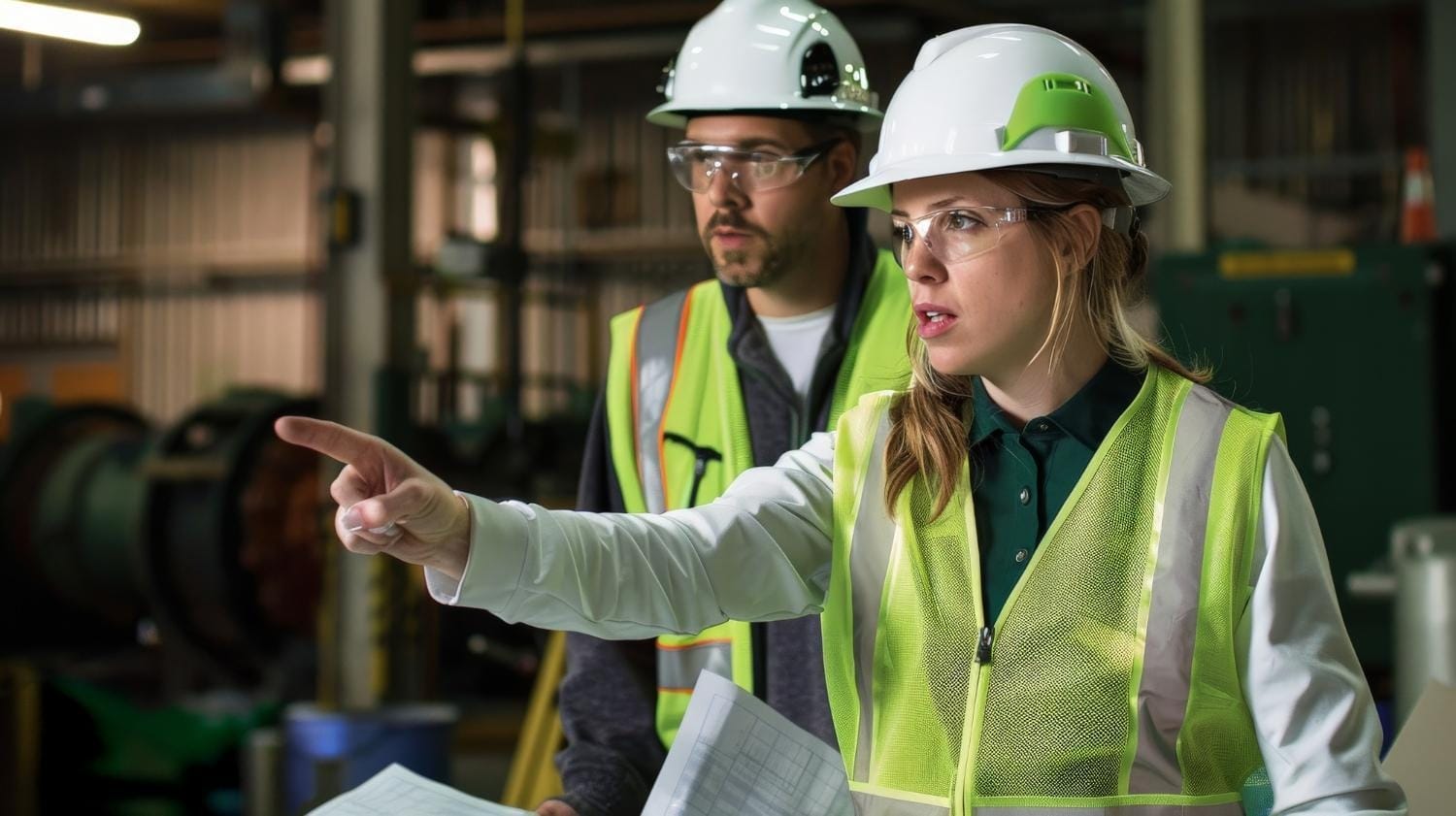
Workplace safety has long been framed around compliance, meeting regulatory standards, reducing liability, and ensuring that basic protections are in place. Today, however, that perspective is evolving. Across industries, safety is increasingly viewed not just as a requirement, but as a strategic consideration tied to operational performance, workforce confidence, and long-term risk management.
At the centre of this shift is the rapid advancement of personal protective equipment (PPE), particularly in areas where risk exposure is higher. Improvements in materials, design, and usability are reshaping how organisations approach protection, not as a static measure, but as an adaptable system that evolves alongside the environments it supports.
Moving Beyond Compliance
For many years, safety initiatives were driven primarily by regulation. Organisations focused on meeting minimum standards, often viewing protective equipment as a necessary but secondary consideration.
That approach is changing. Businesses are recognising that effective safety measures contribute directly to productivity and operational stability. When employees feel secure, they are more likely to perform confidently, respond effectively in dynamic situations, and maintain consistency in their work.
This shift has led to a more proactive mindset. Instead of reacting to incidents, companies are investing in preventative strategies that reduce exposure to risk before issues arise.
Material Innovation and Its Impact
One of the most significant drivers of change in protective equipment is material innovation. Advances in high-performance fibres and composite materials have enabled manufacturers to create solutions that are both lighter and more effective.
Materials such as aramid fibres, commonly associated with ballistic protection, offer a strong balance between durability and flexibility. These materials allow protective gear to absorb and disperse energy efficiently while remaining wearable for extended periods. This becomes particularly relevant when someone is looking for a bulletproof vest for sale, as modern designs are increasingly focused on combining reliable protection with mobility. Unlike earlier generations, which were often bulky and restrictive, contemporary solutions are engineered to support movement and endurance without compromising safety.
Understanding Protection Levels
As protective equipment becomes more widely adopted, understanding performance standards is essential. In the United States, the National Institute of Justice establishes widely recognised guidelines for ballistic resistance.
These standards classify body armor into different levels based on the types of threats they are designed to withstand. For example, softer armor is typically designed to protect against handgun rounds, while higher-level systems incorporate rigid plates capable of stopping rifle ammunition.
This classification system provides a framework for organisations to evaluate equipment based on their specific risk environment. Rather than adopting a one-size-fits-all approach, businesses can align protection levels with actual operational needs.
DEEPER DIVE: Read all the Ranking Arizona Top 10 lists here
INDUSTRY INSIGHTS: Want more news like this? Get our free newsletter here
Expanding Use Across Industries
While body armor is traditionally associated with military and law enforcement, its applications are expanding. Private security, logistics, infrastructure protection, and certain industrial sectors are increasingly incorporating advanced protective gear into their safety protocols.
This expansion reflects a broader understanding of risk. Environments that were once considered low-risk may now require additional safeguards due to changing conditions, including higher traffic volumes, public interaction, or evolving security considerations.
As a result, protective equipment is becoming more integrated into standard operating procedures across a wider range of industries.
Balancing Protection With Practicality
One of the ongoing challenges in safety equipment design is balancing protection with usability. Higher levels of protection often require additional materials, which can increase weight and reduce flexibility.
Modern solutions address this through modular systems and improved ergonomics. Equipment can be configured to match specific tasks, allowing users to adjust their level of protection based on the situation.
This adaptability is particularly important in dynamic work environments, where conditions can change quickly. The ability to maintain mobility while remaining protected is a key factor in overall effectiveness.
The Role of Design and Ergonomics
Design has become a central focus in the development of protective gear. Beyond material strength, attention is given to how equipment fits, distributes weight, and interacts with the body during movement.
Features such as adjustable carriers, ventilation systems, and flexible panels contribute to a more comfortable experience. This is especially important for professionals who need to wear protective equipment for extended periods.
By improving comfort and usability, manufacturers are addressing one of the main barriers to consistent use, fatigue. When equipment is easier to wear, it is more likely to be used correctly and consistently.
Risk Management as a Business Strategy
The integration of advanced protective equipment into workplace safety reflects a broader shift toward strategic risk management. Safety is no longer viewed as a cost centre, but as an investment that supports long-term performance.
Organisations that prioritise safety often see benefits beyond compliance. Reduced downtime, improved employee retention, and stronger operational resilience are all linked to effective safety practices.
This perspective aligns safety with broader business objectives, making it a core component of organisational strategy rather than a separate function.
What’s Next?
The future of protective equipment is likely to be shaped by continued innovation. Research into new materials, including advanced composites and lightweight ceramics, is pushing the boundaries of what is possible.
There is also growing interest in integrating technology into protective gear. Features such as environmental monitoring, biometric tracking, and data integration could further enhance how safety is managed in real time. While these developments are still evolving, they point toward a more connected and responsive approach to workplace safety.
The evolution of protective gear reflects a fundamental shift in how organisations approach safety. No longer limited to compliance, it has become a strategic priority that influences performance, resilience, and overall business success.
Advances in materials, design, and standards have made modern equipment more adaptable and effective, enabling organisations to respond to a wider range of risks. At the same time, the focus remains on balance, ensuring that protection, mobility, and practicality work together. In this context, safety is not just about preventing harm. It is about creating environments where people can operate confidently, efficiently, and with a clear understanding of the systems that support them.