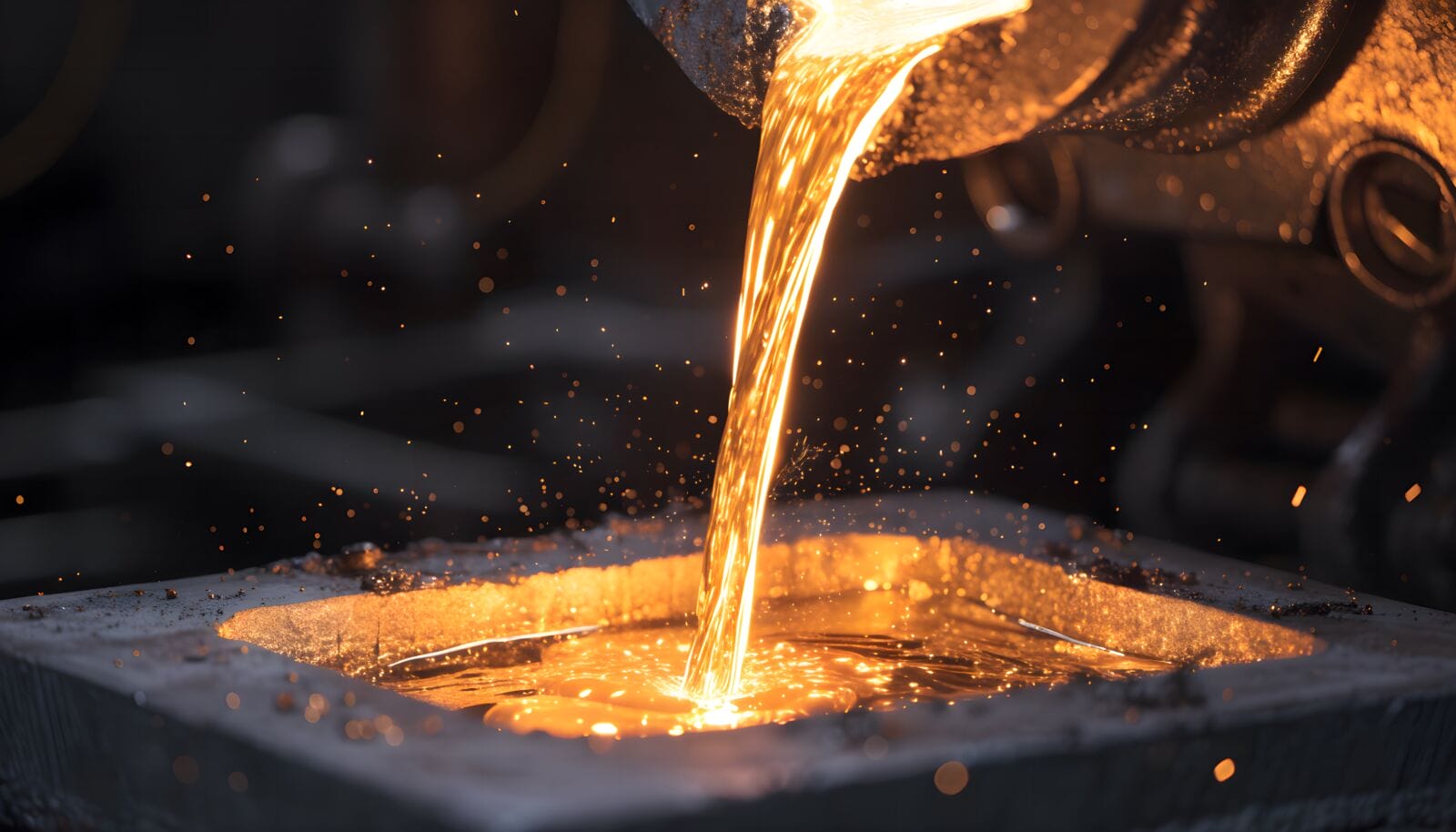
Modern military ops need gear that works in tough places. It must not fail. Defense groups need metal parts that are very strong and precise. Factories must meet strict rules set by armies around the world.
Continue reading to discover everything you need to know!
The Making of Modern Defense
People who make military gear face hard problems. Each metal part must handle heavy stress, high heat, and rust. Old machining methods often can’t make the shapes that tactical gear needs.
Engineers use special casting to make parts close to their final shape. This cuts waste and speeds up work. Strict military rules mean every batch must be the same.
Tactical gear works in harsh places. It goes from cold mountains to deserts. Parts can’t crack, bend, or fail on a mission. The way we make them must focus on strength first.
Defense contractors spend big on foundries to meet these needs. These shops use new tech to watch every step. Quality checks keep troops safe by making sure all output is perfect.
Foundries keep strict security to guard military plans. Data locks and secure networks protect designs from cyber threats. Keeping ideas safe is a top goal for defense makers.
The Role of Exact Metal Shaping in Military Gear
Making gear you can trust means casting hard metal parts with tight limits. When making investment casting firearms and related gear, being exact is key. Makers use ceramic molds to hit exact sizes.
Hot metal fills these molds to form shapes that machines can’t cut. Strong alloys give the strength needed for harsh use. Troops gain from parts built to last for many years.
Small arms and big guns need parts with no room for error. Triggers, receivers, and frames need to be the same each time to work well. Exact casting gives the same result for big runs.
Foundry workers control heat and cooling to shape the metal grain. Each step is checked to remove stress points. This care defines top defense work.
Gears and links in tactical trucks need to resist wear. Casting lets engineers add hard materials where friction is high. Trucks last longer when key wear points use special cast parts.
Picking Materials and Metal Quality
Picking the right alloy is the basis of strong defense work. Titanium, stainless steel, and nickel alloys lead in air and tactical work. These give high strength for their weight, which mobile units need.
Metal experts test samples all the time to check grain and strength. Casting must stop holes or small cracks that weaken the part. Following metal rules keeps troops safe.
Fast heat changes are a big risk for engines and barrels. Alloys must hold up when heat shifts fast during long fire. Metal labs copy combat to test new mixes.
Rust control is just as key for sea and jungle ops. Coatings and special alloys stop rust from breaking key parts. Long life cuts repair work for deployed units.
Good Points of Net Shape Work
Net shape work cuts out extra machining for many complex parts. Shops save time and cut labor by casting parts near final size. Surfaces get much better with new ceramic shell steps.
Designers get more freedom to make multi-use metal groups. Complex internal paths and cooling holes are easy with lost-wax methods. Defense firms use these skills to build lighter, stronger systems.
Lighter parts help foot troops and truck units move. Each ounce cut from gear boosts speed and endurance. Net shape casting cuts weight without losing strength.
Complex shapes that need multi-axis milling can often be cast right off. This cuts slow spots and smooths factory work. Makers ship full groups faster and more reliably.
Heat shield coatings on cast parts boost heat limits further. Turbine parts and exhaust nozzles gain a lot from these coatings. Defense systems run better when heat is managed well.
Growing Output for Big Needs
Defense deals often need fast growth to meet urgent needs. Foundries use auto wax injection and robot shell dips to speed output. Standard steps keep quality the same even in big surges.
Supply chain strength relies on good casting shops at full speed. Local hubs cut the need for far-off materials and weak shipping paths. Defense planners pick suppliers who can deliver big orders on time.
Surge tests the real limits of foundries. Shops must add shifts and run gear more without gaps. Stock systems track raw goods to stop delays.
Teamwork between defense groups and foundry crews makes the nation safer. Joint training helps workers know military rules. Clear communication keeps work in line with big goals.
Quality Control and Hard Testing Rules
Military gear goes through tight checks before it can be used. Non-destructive tests find hidden flaws without breaking the part. X-ray and magnetic checks prove the part is sound.
- High-strength steel
- Strict tolerance control
- X-ray inspection verified
- Zero internal defects
- Maximum durability standards
Inspectors check sizes against strict computer plans. Each step is checked to stop field failures. Makers keep full records for tracking and blame.
Batch checks keep making the same across big runs. Breaking tests on sample parts show top strength. Outside groups check that shops meet world military rules.
Tracking systems follow each part from raw metal to final drop-off. Serial numbers link parts to metal test reports and cast dates. This watch guarantees blame across the chain.
New Ideas in Military Part Making
Tech keeps changing how plants make key defense gear. Digital sim tools predict how metal cools before it is poured. These cuts reduce trial-and-error in early builds.
- Digital flow simulation
- Advanced alloy testing
- Automated shell building
- Rapid prototyping methods
- Sustainable foundry practices
Researchers make new ceramic binders to boost shell strength in high heat. New casting tech helps light armor and engine upgrades. Defense groups use these to keep a strong edge.
Additive manufacturing fits well with old investment casting. Hybrid ways mix 3D-printed wax with old metal pours. This teamwork opens new design freedom for special military uses.
Green drives push new study into foundry materials that can be reused. Green work cuts waste and lowers the carbon footprint of defense work. New foundries show that top power and green duty can go hand in hand.
Investment Casting Enables Scalable, High-Demand Defense Production
Meeting modern defense needs takes new making skills and tight quality checks. Precise casting gives the gear troops need all over the world.
Want more tips and ideas? We’ve got you covered. Check out our other posts now.