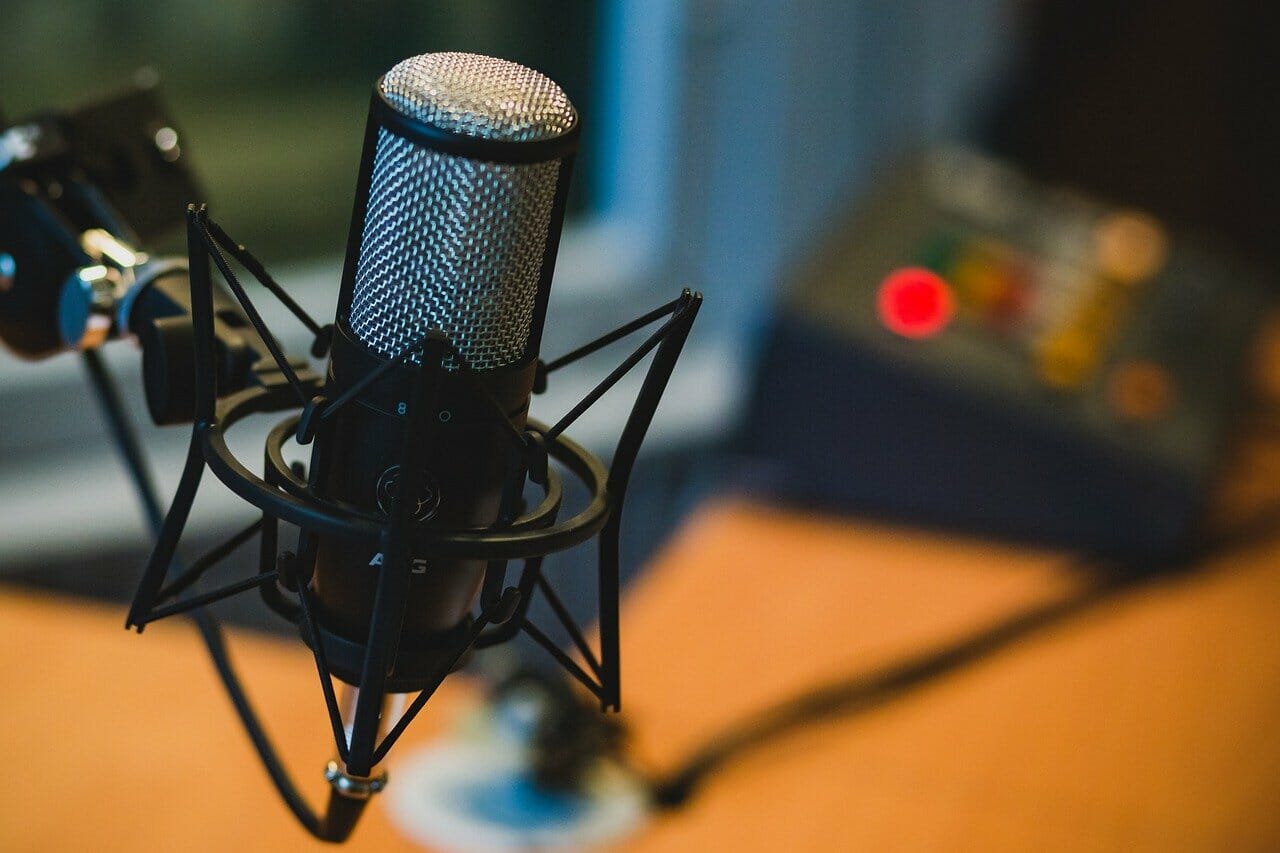
Recording music has become more accessible than ever, yet one question continues to come up for artists, podcasters, and content creators alike: How much does a recording studio cost? The answer depends on several factors, including the type of studio, the equipment required, the experience of the audio engineers, and the services included in the session.
Whether you’re recording a single song, producing an album, or creating professional voice-over content, understanding the costs involved can help you choose the right studio for your project while staying within budget.
What Determines the Cost of a Recording Studio?
There is no fixed price for studio recording because every project has unique requirements. A solo vocalist recording one track will have different needs than a full band producing an EP.
Several factors influence the final price:
- Studio size and facilities
- Quality of recording equipment
- Experience of producers and sound engineers
- Number of recording hours required
- Mixing and mastering services
- Additional musicians or session performers
- Editing and post-production work
Premium studios often invest heavily in acoustic treatment, industry-standard microphones, analog equipment, and high-end digital workstations. These investments allow artists to achieve cleaner recordings and a more polished final product.
Typical Recording Studio Pricing
Professional recording studios generally charge either by the hour, half-day, full-day, or complete project.
Hourly sessions are ideal for vocals, podcasts, and smaller recording projects, while full-day bookings often provide better value for musicians recording multiple tracks. Album production usually involves separate stages, including recording, editing, mixing, and mastering, each contributing to the overall budget.
Although lower-cost studios may appear attractive, choosing based solely on price can compromise sound quality. Working with experienced engineers often reduces the need for expensive revisions later in the production process.
Why Professional Equipment Matters
A professional recording environment offers much more than expensive microphones. Every aspect of the studio contributes to capturing high-quality audio.
Acoustic room design minimizes unwanted reflections and background noise. High-end preamps preserve vocal clarity, while professional monitoring systems allow engineers to make accurate mixing decisions. These details significantly affect the final sound and often justify the investment in a professional studio.
Red House: Professional Expertise for Every Recording Project
One of the most valuable aspects of choosing a professional studio is the experience behind the equipment. Red House has built a reputation for combining technical expertise with a creative approach that supports artists, musicians, podcasters, and commercial clients throughout the recording process.
Rather than simply providing studio time, experienced professionals help optimize microphone placement, improve vocal performances, guide recording sessions, and ensure every production meets professional standards. From initial recording to final mastering, expert support can make a noticeable difference in both sound quality and production efficiency.
By understanding each client’s creative goals, Red House delivers recording solutions tailored to projects of every size, helping artists achieve polished, broadcast-quality results.
Is Building a Home Studio More Affordable?
Many creators consider building a home recording studio as an alternative to renting professional facilities. While home studios offer flexibility, they also require a significant upfront investment.
Microphones, audio interfaces, monitors, headphones, acoustic treatment, recording software, and computers can quickly add up. Even after purchasing equipment, achieving professional sound often requires considerable technical knowledge and experience.
For occasional projects, renting a professional recording studio is frequently more cost-effective than investing thousands in equipment that may not be used regularly.
Choosing the Right Studio
Selecting the right recording studio involves more than comparing prices. Experience, reputation, equipment quality, communication, and previous client work should all influence your decision.
Before booking a session, it’s helpful to ask about:
- Available recording equipment
- Engineer experience
- Included services
- Estimated production timeline
- Mixing and mastering options
- Revision policy
A transparent pricing structure and clear communication often indicate a well-managed professional studio.
Final Thoughts
The cost of a recording studio varies depending on the project’s complexity, available facilities, and level of professional support. While budget is naturally an important consideration, the overall value comes from achieving recordings that meet professional standards and accurately reflect your creative vision.
Whether you’re producing your first single, recording a podcast, or completing a full album, partnering with an experienced studio provides access to high-quality equipment, technical expertise, and an environment specifically designed for exceptional sound production.