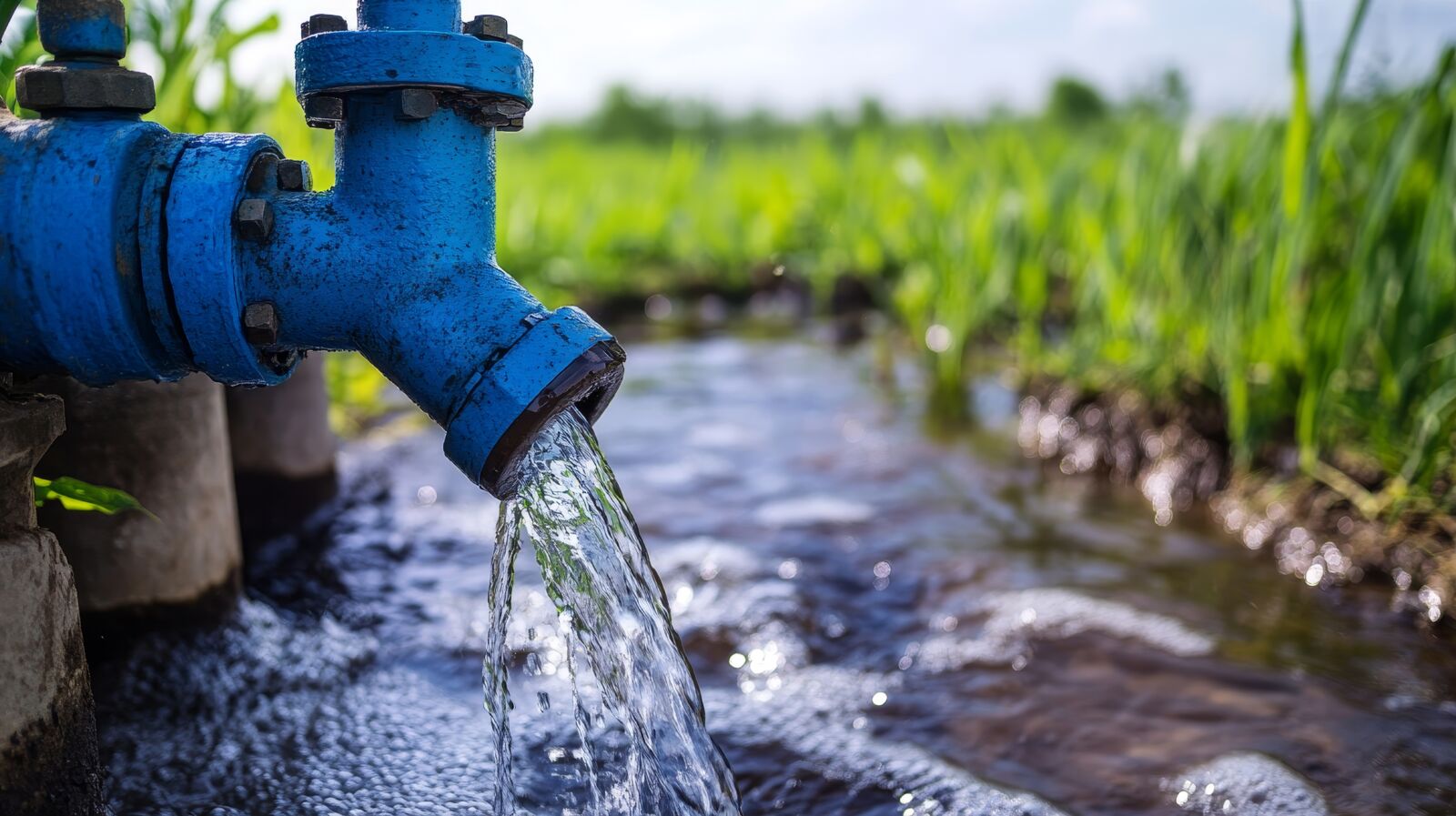
For rural property owners, having a reliable water source is essential. Unlike urban areas where municipal water is readily available, rural homes often depend on private wells for drinking, irrigation, and other daily needs. Maximizing well performance is not just about installing a well; it involves ongoing maintenance, smart water management, and leveraging professional expertise to ensure a consistent, high-quality water supply.
Understanding Your Well
The first step in optimizing well performance is understanding its capacity and limitations. Wells vary in depth, construction, and output, which directly affects water flow and quality. Regular testing for water quality is crucial, as contaminants like bacteria, iron, or sediment can reduce efficiency and pose health risks. Additionally, understanding your water table and seasonal variations can help anticipate periods of low yield.
Proper Well Maintenance
Routine maintenance is key to a well’s long-term performance. This includes inspecting the wellhead for cracks, ensuring the pump is functioning correctly, and keeping the area around the well clean and free of debris. Scheduled water testing, ideally once a year, helps identify potential issues before they become serious problems. Proper maintenance not only ensures safe water but can also extend the life of the well system.
Efficient Water Use
Water conservation plays a significant role in maximizing well performance. Implementing strategies such as drip irrigation, using rain barrels, and fixing leaks can reduce unnecessary strain on your well. Efficient water use ensures the aquifer feeding the well remains sustainable and prevents depletion, especially during dry seasons.
Upgrading Equipment
Modern pumps and filtration systems can significantly enhance well performance. If your current system is aging, consider upgrading to a more energy-efficient pump or installing advanced filtration to remove sediment and minerals that can damage pipes or reduce water quality. Professional evaluation can determine if enhancements like pressure tanks or booster pumps are appropriate for your property.
Professional Support
While many rural homeowners handle basic well maintenance themselves, partnering with professional services ensures optimal results. Experienced technicians can assess well depth, flow rate, and water quality, providing tailored solutions for each property. For those needing new installations or major upgrades, specialized companies offer expertise that guarantees both efficiency and compliance with local regulations. Utilizing trusted water well drilling services ensures the well is constructed to high standards, reducing long-term maintenance needs and maximizing performance.
Seasonal and Environmental Considerations
Rural wells are affected by seasonal changes and environmental conditions. During droughts, wells may yield less water, while heavy rainfall can introduce sediment or contaminants. Planning ahead by monitoring weather patterns, storing water safely, and adjusting usage during peak demand times can help maintain consistent well performance throughout the year.
Conclusion
A well-maintained, properly managed water well is the lifeline of any rural property. By understanding the system, practicing efficient water use, upgrading equipment when necessary, and relying on professional support, property owners can maximize well performance for years to come. Investing in these strategies not only ensures reliable water access but also protects the health and sustainability of your property’s water resources.