Small manufacturers have spent the past several years learning an uncomfortable lesson about supply chains. Lead times stretched, minimum order quantities climbed, and a simple design revision could cost weeks. For businesses that build physical products, that experience prompted a practical question: which parts of production should we stop outsourcing?
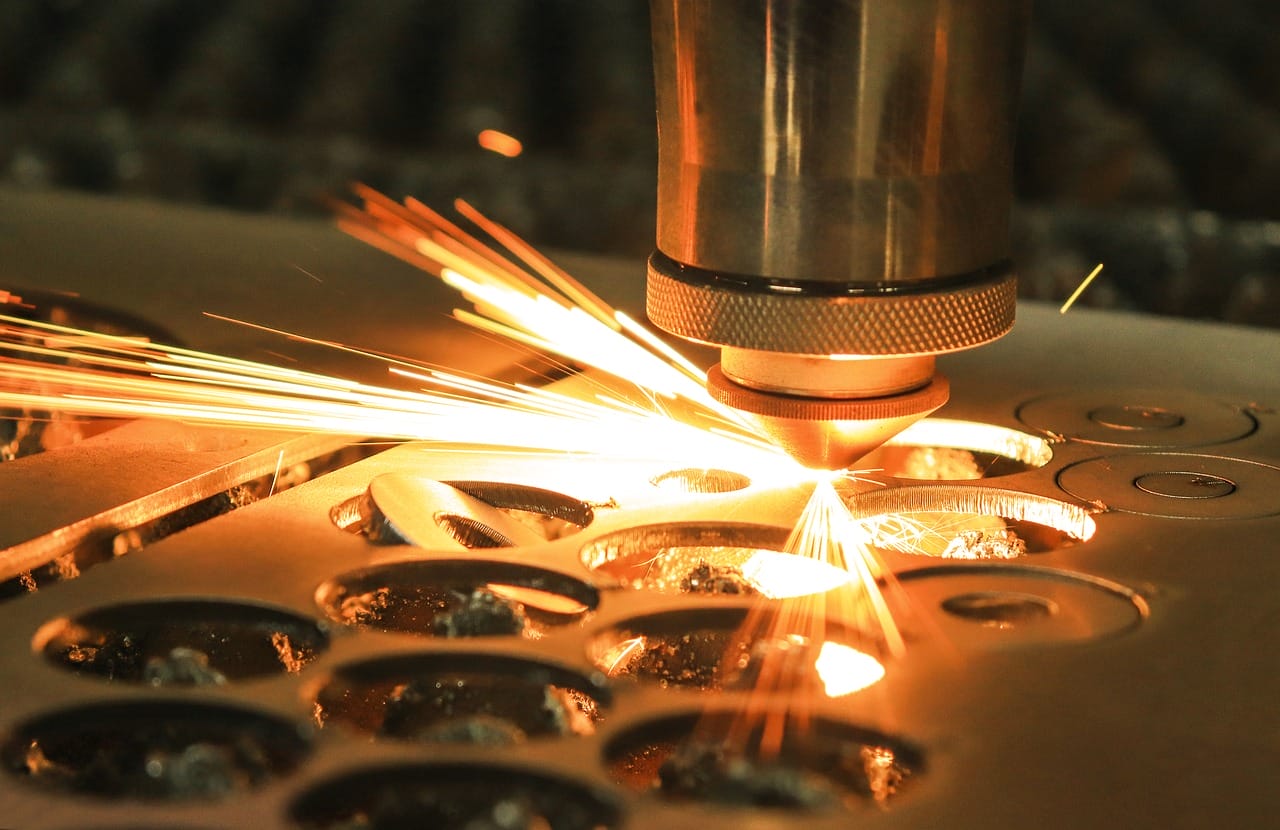
For a growing number of small operations, laser cutting has become one of the first answers. It is one of the few pieces of production equipment that a modest business can realistically own, and it touches a surprising range of work, from signage and displays to packaging inserts, prototypes, branded merchandise, and finished components.
Why This Equipment, and Why Now
Laser cutting sits at a useful intersection for smaller companies. The machines handle a wide span of materials, including wood, acrylic, leather, paper, fabric, and coated metals, so a single purchase can serve several parts of a business rather than one narrow function. They also require no tooling. A steel die must be manufactured before the first part is produced, which is why traditional processes demand volume to make sense. A laser follows a digital file, so the cost of producing one unit is close to the cost of producing the hundredth.
That characteristic is what makes short runs and customization viable at a small scale. A business can produce fifty of something, change the design, and produce fifty more the same afternoon.
Speed as a Competitive Advantage
The most commonly cited benefit among small manufacturers is not cost. It is time.
When cutting is outsourced, every iteration carries the vendor’s turnaround. A prototype takes a week or two, a revision takes another, and a rush order carries an expedite fee. When the work happens in-house, that cycle compresses to hours. Product development moves faster, and customer requests that would have been declined as impractical become straightforward.
For companies competing against larger firms, that responsiveness is often the actual advantage. A regional business that can turn around a custom order in three days occupies a position a national supplier with a six-week queue cannot easily contest.
The Economics Are Volume-Dependent
The case for bringing production in-house is not automatic, and the businesses that get this wrong tend to make the same error: comparing a supplier’s per-piece quote to the purchase price of a machine. Those are different units of measurement.
A sound analysis starts with the full landed cost of outsourcing, including minimum order quantities, setup and artwork fees, freight, inventory carrying cost, and the administrative time spent managing the relationship. Against that sits the in-house cost, split between fixed costs such as the equipment, ventilation, software, training, and floor space, and variable costs such as materials, consumables, energy, and the labor involved in setup, running, finishing, and packing.
Divide the annual fixed cost by the savings per unit and you get a break-even volume. If projected demand clears that number comfortably, the investment tends to pay. If it only just clears it, the risk sits with the business, because fixed costs continue whether orders arrive or not.
Utilization Decides the Outcome
The variable that most often determines success is how much the equipment actually runs. A machine carries the same fixed cost whether it operates two hours a week or thirty, so utilization drives the cost allocated to each finished piece.
This is why the strongest cases are rarely built on a single product. Operations that succeed with in-house fabrication typically identify several uses before purchasing: cutting for their own products, producing their own signage and displays, making packaging inserts, and in some cases taking on work for neighboring businesses. Each additional application absorbs part of the same fixed cost.
What a Working Setup Requires
The machine is the largest line item but not the only one. A production-ready installation also needs fume extraction, which is both a safety requirement and frequently a condition of a commercial lease, along with design and control software, adequate electrical supply, operator training, and a suitably ventilated space. Businesses evaluating laser cutting and engraving equipment should weigh throughput and support alongside purchase price, since processing speed determines how many units can be produced per hour, and that figure feeds directly into whether the numbers work.
Ongoing costs deserve the same attention. Optics require cleaning and periodic replacement, and laser tubes have a finite service life measured in operating hours. Treating tube replacement as a scheduled expense rather than an unexpected one keeps pricing realistic from the outset.
LEARN MORE: Arizona earns 19 Michelin Guide selections in inaugural Southwest Guide
Where It Fits, and Where It Does Not
In-house fabrication makes the most sense for businesses with steady volume, frequent design changes, short lead time expectations, or customization at the center of their offering. It makes less sense for operations with low or highly seasonal volume, where outsourcing keeps costs variable and scales down cleanly when demand falls.
That flexibility is worth weighing seriously. Bringing production in-house converts a variable cost into a fixed one and adds maintenance, scheduling, and compliance responsibilities that previously belonged to a supplier. For companies with the volume to support it, the trade is usually favorable. For those without, the supplier relationship remains the better business decision, regardless of how appealing the per-unit comparison looks in isolation.