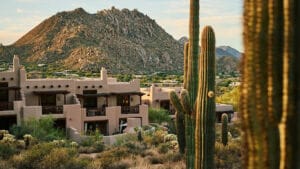
There is a particular kind of tiredness that sets in after another summer of triple-digit afternoons, packed freeways, long commutes, and a city that never quite stops expanding. For a growing number of Americans, the antidote has a name: Provence.
Buying a house in Provence has moved from a retirement fantasy to an active lifestyle plan. Today, more American buyers are exploring Provence, France real estate as they look for a second home, a long-term investment, or simply a place where everyday life feels slower, more beautiful, and more connected to the surrounding landscape.
From centuries-old stone village houses to elegant country estates surrounded by vineyards and olive groves, Provence offers an extraordinary range of properties. But the attraction goes far beyond the houses themselves. For many Americans, purchasing property in Provence represents a decision to exchange a fast-paced lifestyle for something more relaxed and meaningful.
Why Americans Are Falling in Love With Provence
For buyers coming from fast-growing, heat-heavy states in the United States, the contrast can be striking.
Instead of endless traffic, sprawling suburbs, and long hours spent behind the wheel, many Provençal communities offer walkable village centers, local markets, cafés, restaurants, and public spaces designed around everyday social life.
The Mediterranean climate is another major attraction. Although summers can be warm, spring and autumn can be particularly pleasant, allowing residents and second-home owners to spend more time outdoors throughout the year.
Then there is the food.
In Provence, a market is not simply somewhere to buy groceries. It is part of the rhythm of local life. Fresh vegetables, fruit, bread, cheese, olives, herbs, and regional specialties turn a simple shopping trip into a social experience.
Meals are also treated differently. Lunch can be leisurely, dinner can last well into the evening, and gathering around a table with friends and family is an important part of the culture.
For many American buyers, this is precisely what they are looking for.
They are not necessarily searching for a bigger house or a more expensive lifestyle. They are searching for a better quality of life.
Provence, France Real Estate Offers More Than Beauty
Lifestyle may be the initial attraction, but there are practical reasons why international buyers continue to consider French property.
American citizens can legally purchase property in France, including homes in Provence. Foreign ownership is generally permitted, and Americans can purchase a property as a holiday home, second residence, rental investment, or long-term asset, subject to applicable French laws and tax requirements.
Another important feature of the French system is the role of the notaire.
The notaire is a legal professional who plays a central role in French property transactions. They verify the legal aspects of the transaction and ensure that the required documentation and formalities are completed.
For an American buyer unfamiliar with French property law, this provides an important layer of professional oversight.
However, owning a home in France does not automatically give an American buyer the right to live in France indefinitely. Non-EU citizens are generally subject to the Schengen 90-day rule within any 180-day period unless they obtain an appropriate long-stay visa or residence status.
Understanding the difference between property ownership and residency is therefore essential before making a purchase.
The Luberon: One of Provence’s Most Desirable Areas
Within the wider Provence region, the Luberon stands out as one of the most sought-after destinations for international property buyers.
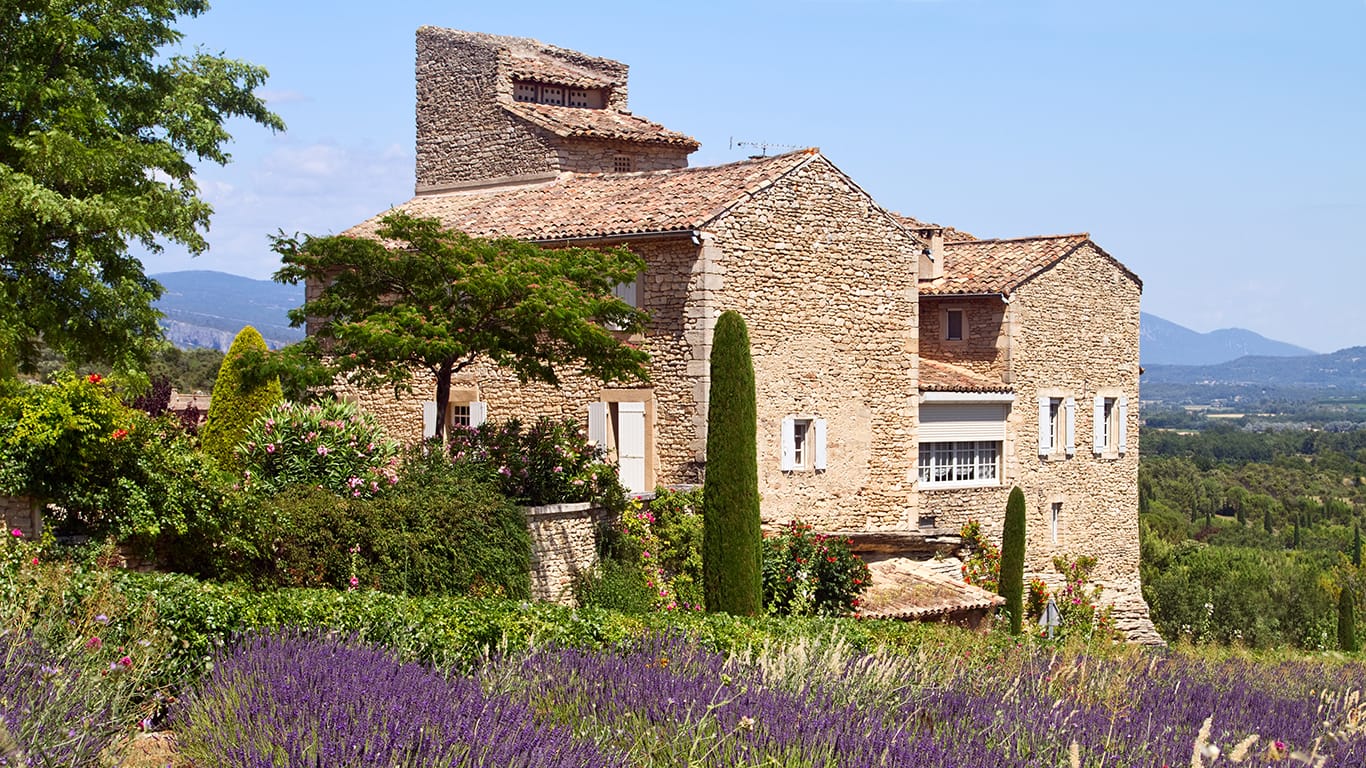
Located in the Vaucluse, the Luberon is known for its limestone hills, vineyards, olive groves, lavender fields, forests, and historic villages.
The area has attracted discerning buyers for generations, including Parisian second-home owners and international purchasers searching for authentic French properties.
What makes the Luberon particularly attractive is that its international reputation has not completely erased its local character.
Villages still have bakeries, cafés, markets, restaurants, and small shops. The surrounding countryside remains an important part of everyday life.
Gordes
Gordes is arguably the most famous village in the Luberon.
Perched dramatically on a hillside, the village is recognized for its stone buildings, narrow streets, spectacular views, and iconic Provençal architecture.
Because of its international reputation, property prices in Gordes can be among the highest in the region, particularly for homes with panoramic views, swimming pools, privacy, and high-quality renovations.
For buyers who want one of Provence’s most recognizable addresses, however, Gordes remains exceptionally attractive.
Ménerbes
Ménerbes offers a slightly different experience.
The historic village combines sophistication with an authentic Provençal atmosphere and is surrounded by vineyards and agricultural landscapes.
For buyers searching for a traditional stone house within a beautiful village environment, Ménerbes can be particularly compelling.
Bonnieux
Bonnieux is another important Luberon property market.
Built along a hillside, the village offers impressive views and a strong sense of community. Restaurants, shops, galleries, and cafés make it attractive to buyers who want to spend significant amounts of time in Provence rather than simply visiting occasionally.
Oppède
Oppède is ideal for buyers looking for a quieter and more secluded atmosphere.
The old village, surrounding countryside, and historic architecture create a strong feeling of authenticity. Properties in the wider area can also offer more privacy and land.
Roussillon
Roussillon is famous for its distinctive ochre-colored buildings and dramatic natural surroundings.
Its artistic atmosphere and unique architecture make it one of the most visually recognizable villages in Provence.
Each of these villages has a different personality—and, importantly, a different property market.
Why Local Knowledge Matters When Buying in the Luberon
One of the biggest mistakes an international buyer can make is treating Provence as a single real estate market.
It is not.
Property values can vary substantially from one village to another. Even within the same village, two apparently similar houses can have very different values depending on their views, location, access, land, renovation quality, orientation, privacy, and amenities.
A beautifully restored stone property with a swimming pool, mature gardens, panoramic views, and easy access to a village may command a significant premium.
Meanwhile, a cheaper property may require substantial renovation, potentially turning an apparently attractive purchase price into a much larger overall investment.
This is where working with an experienced local agency becomes particularly valuable.
Provence Home provides local insight for buyers interested in Luberon real estate, helping international purchasers understand the differences between villages, property values, available homes, and the practical realities of owning a property in the region.
Rather than relying exclusively on online listings, buyers can benefit from professionals who understand the local market and can provide insight into properties that may not receive the same international exposure.
The French Property Buying Process
Buying property in France follows a different process from a typical American real estate transaction.
The process generally begins with an offer and agreement on the principal terms.
Once the buyer and seller proceed, they may sign a preliminary agreement known as the compromis de vente.
This is an important stage because it formalizes the agreement while allowing the necessary legal and administrative checks to continue.
Private buyers generally have a ten-day cooling-off period after signing the preliminary contract, during which they can withdraw under the applicable legal rules.
Following this period, the notaire continues the necessary due diligence.
The final purchase is completed through the signing of the definitive deed, known as the acte de vente, once the required conditions have been satisfied.
The entire process can take several months.
For an American buyer accustomed to a different real estate system, this timeline can initially feel slow. However, the extensive legal checks are designed to provide protection and certainty to the transaction.
Closing Costs and Additional Expenses
The purchase price is not the only cost that buyers need to consider.
For an existing property, buyers should generally budget for acquisition and closing costs in the region of 7–8% of the purchase price, although the exact amount can vary depending on the circumstances of the transaction.
Other potential expenses include:
- Notaire and acquisition costs
- Property inspections and surveys
- Legal and tax advice
- Currency exchange costs
- Renovation and restoration
- Home insurance
- Property maintenance
- Landscaping
- Pool maintenance
- Local property taxes
- Property management
- Rental management, if the property will be offered as a holiday rental
These costs should be considered before establishing a realistic purchase budget.
Renovation: The Hidden Side of a Provençal Dream Home
One of the greatest attractions of Provence is its architecture.
Stone walls, old beams, traditional shutters, tiled roofs, courtyards, terraces, and historic details are precisely what make Provençal homes so desirable.
But historic character can also mean historic maintenance.
Older properties may require work on roofs, plumbing, electrical systems, insulation, heating, drainage, windows, or structural elements.
Buyers should therefore look beyond the photographs.
A house may look perfect in an online listing while requiring substantial work behind the scenes.
For international buyers, understanding the property’s technical condition before committing to the purchase is particularly important because arranging renovation from another country can be considerably more complicated.
Financing a French Property as an American
American buyers can potentially obtain financing in France, but the process may be more complicated than obtaining a mortgage in the United States.
French banks can be cautious when dealing with American citizens because of the additional reporting and compliance requirements associated with U.S. taxpayers.
For this reason, prospective buyers should investigate financing options early rather than waiting until they have already found their ideal property.
Currency exchange is another consideration.
Because French property is purchased in euros while many American buyers hold their wealth and income in U.S. dollars, exchange-rate fluctuations can affect the final cost of the purchase.
For a high-value property, even a relatively small movement in the exchange rate can represent a substantial difference in dollar terms.
The Importance of an English-Speaking Local Partner
For Americans purchasing from overseas, one of the greatest advantages is having an experienced, English-speaking property professional on the ground.
The practical challenges of buying from another country can be significant.
There may be language differences, time-zone challenges, unfamiliar paperwork, local regulations, property visits, inspections, contractors, negotiations, and administrative requirements.
A local specialist can help make the process more understandable and efficient.
This is one of the reasons buyers looking at buying a house in Provence often turn to established local specialists such as Provence Home.
With knowledge of the Luberon villages and the surrounding property market, a local team can help buyers identify suitable homes, understand local pricing, evaluate different locations, and navigate the purchase process.
Local connections can also be valuable when exceptional properties become available privately or before they receive widespread international exposure.
Finding the Right Village for Your Lifestyle
The best property in Provence is not necessarily the most expensive or famous one.
It is the one that matches the buyer’s lifestyle.
Someone who wants to walk to restaurants, cafés, and shops may prefer a village-center property.
A buyer looking for privacy may instead want a country house outside the village with land and panoramic views.
Someone purchasing primarily for holidays may have different priorities from an owner planning to spend several months of every year in France.
Investors considering holiday rentals will have another set of priorities, including location, accessibility, property configuration, local regulations, and rental demand.
This is why the buying process should begin with a clear understanding of how the property will actually be used.
Is Buying a House in Provence a Good Investment?
For some buyers, the attraction is lifestyle rather than financial return. For others, a Provençal property may also represent a long-term investment.
The region’s international reputation, tourism appeal, architectural heritage, and limited supply of exceptional historic properties can make desirable homes attractive to international buyers.
However, real estate should always be evaluated on a property-by-property basis.
Purchase price, renovation costs, taxes, maintenance, financing, rental potential, location, and eventual resale demand all need to be considered.
A beautiful house is not automatically a good investment.
Professional local advice is therefore particularly important for buyers who have investment objectives alongside lifestyle goals.
Provence Is a Lifestyle Decision
Ultimately, the growing American interest in Provence is about more than real estate.
It reflects a broader desire to slow down.
For many people, the dream is simple: wake up in a historic stone house, walk to a local bakery, visit a farmers’ market, spend the afternoon surrounded by vineyards and olive trees, and enjoy dinner outdoors as the sun sets over the hills.
That is the experience buyers are really pursuing.
The house is the foundation, but the lifestyle is the destination.
For Americans accustomed to crowded highways, long commutes, rapid development, and increasingly intense summers, Provence can represent a completely different rhythm of life.
Why Provence Home Can Help
Buying property abroad is a major decision, and the difference between a stressful purchase and a smooth one often comes down to preparation and local expertise.
Working with Provence Home gives international buyers a local point of contact who understands the Luberon market and the character of its villages.
From discovering suitable properties to understanding local values and navigating the French purchasing process, experienced guidance can help buyers make informed decisions rather than relying solely on online listings or assumptions about the market.
For Americans considering a move to the South of France, that local knowledge can be invaluable.
The Final Leap
For a growing number of Americans, Provence represents something increasingly difficult to find at home: a slower and more intentional way of living.
It offers historic villages instead of endless suburban expansion, walking instead of constant driving, local markets instead of hurried shopping, and long meals instead of eating between meetings.
The buying process requires preparation. Residency rules, taxes, financing, renovation, legal procedures, and ongoing property costs all need to be understood.
But with the right information and experienced local guidance, purchasing a home in Provence can be a realistic and rewarding goal.
For those ready to make the leap, Provence, France real estate offers far more than a beautiful property.
It offers a chance to change the way you live.
And for many American buyers, that may be the most valuable investment of all.