Industrial operations are evolving rapidly as organisations adopt digital technologies to improve efficiency, reliability, and system performance. Across manufacturing plants, water treatment facilities, oil and gas pipelines, and chemical processing sites, the demand for smarter and more connected infrastructure is reshaping how critical assets are monitored and managed.
One component playing an increasingly important role in this transformation is the flow control valve. Once viewed as a purely mechanical device, modern valves now combine automation, connectivity, and real-time data to support more informed operational decisions.
The Rise of Smart Valve Technology
For decades, industrial valves performed a straightforward function by controlling the flow of liquids and gases. Operators monitored valve performance manually, while maintenance teams typically addressed issues after equipment failures occurred. Today, this reactive approach is increasingly being replaced by predictive and data-driven maintenance strategies.
Smart valve technology integrates sensors, actuators, and digital communication protocols into a single system. These features enable continuous monitoring of pressure, temperature, flow rate, and valve position while transmitting operational data to centralised control systems. This provides operators with greater visibility into system performance and equipment condition.
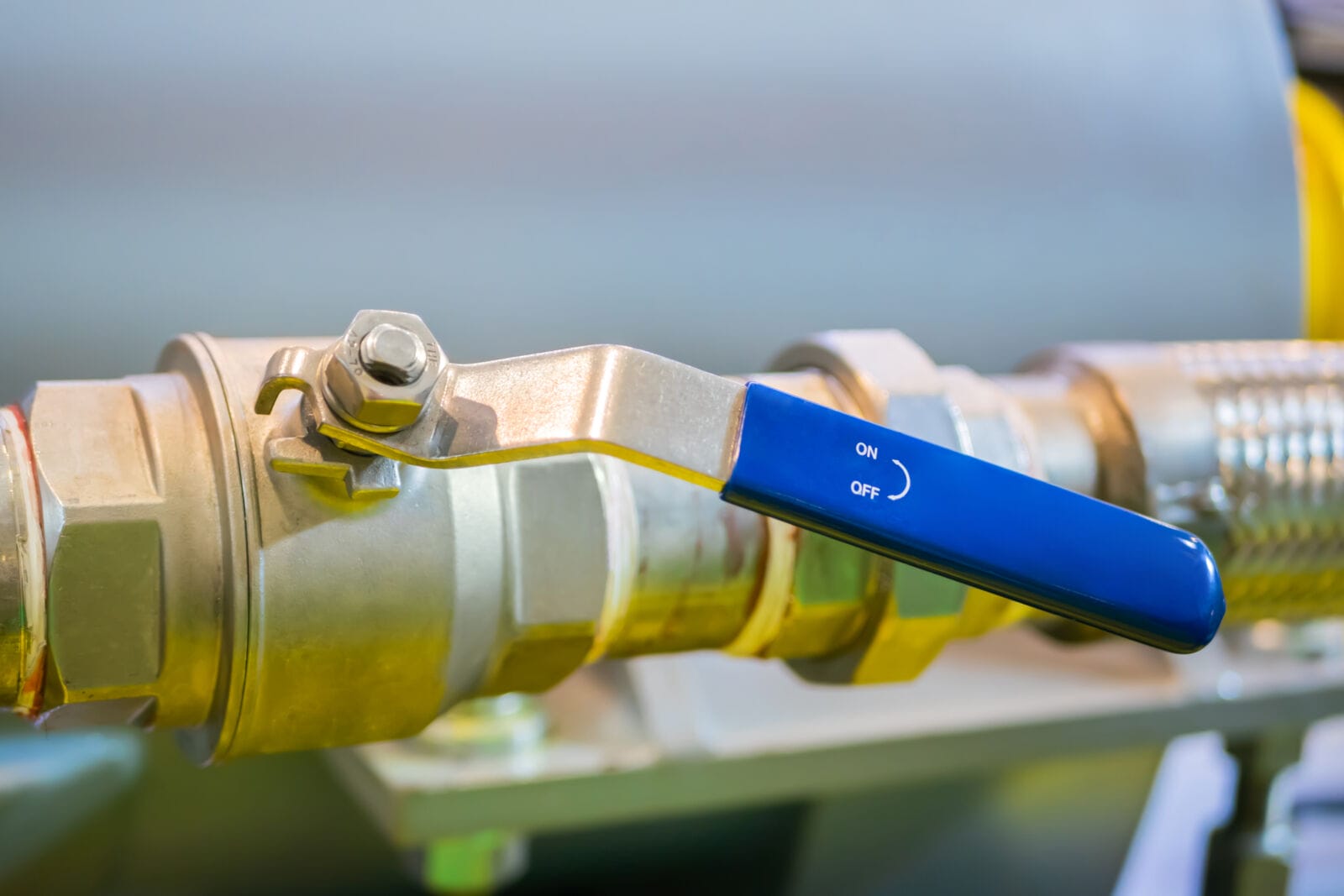
The modern ball valve illustrates how industrial valve technology has evolved. Once valued primarily for its reliable shut-off capability and durability, it has become an important component within connected industrial environments. Equipped with smart actuators and IoT-enabled sensors, these valves can communicate with SCADA systems and cloud-based monitoring platforms, providing operators with improved control and operational insight.
IoT Integration and Real-Time Monitoring
The Industrial Internet of Things (IIoT) has significantly changed expectations for industrial equipment. Rather than operating as standalone assets, modern systems increasingly exchange information across connected digital networks.
IoT-enabled smart ball valve systems continuously transmit operating data, allowing operators to identify abnormal pressure, flow, or temperature readings before they develop into larger issues. This level of continuous monitoring is particularly valuable in large facilities where manually inspecting hundreds of valves would be time-consuming and resource intensive.
Industry 4.0 initiatives have accelerated the adoption of smart valve technology. Many manufacturers now design valves with integrated communication capabilities that support protocols such as Modbus, HART, and wireless mesh networks. This interoperability allows organisations to incorporate smart valves into many existing control systems without requiring a complete infrastructure replacement.
Real-time monitoring also supports more effective operational planning. When a valve begins to show signs of wear or performance degradation, maintenance teams can schedule servicing during planned shutdowns rather than responding to unexpected equipment failures. This approach helps reduce operational disruption while lowering maintenance costs.
Predictive Maintenance and Operational Efficiency
One of the most significant advantages of smart valve technology is its ability to support predictive maintenance. Instead of relying solely on scheduled inspections or reacting to equipment failures, operators can use sensor data to identify developing issues before they affect production.
By monitoring changes in torque, response times, pressure differentials, and actuator performance, smart valves can detect operating trends that may indicate component wear. For production facilities where downtime can result in substantial operational costs, identifying these issues early can improve equipment reliability and maintenance planning.
Beyond Maintenance: Better Efficiency
Smart valves also reduce the variability associated with manual adjustments by responding automatically to changing operating conditions. This helps optimise flow control while maintaining more consistent process performance.
Benefits include:
- Reduced downtime through earlier identification of developing equipment issues.
- Extended equipment life by addressing wear before significant damage occurs.
- Improved product consistency through more accurate and repeatable process control.
- Better use of maintenance resources by prioritising servicing based on equipment condition rather than fixed schedules.
Applications Across Key Industries
Smart ball valve technology is being adopted across a broad range of industrial sectors, with each industry benefiting from improved monitoring and process control.
In water and wastewater treatment facilities, smart valves help regulate flow and pressure throughout extensive distribution networks. Remote monitoring capabilities also allow operators to oversee multiple locations more efficiently while reducing the need for frequent on-site inspections.
Within the oil and gas industry, where operational reliability and safety are essential, smart valves provide continuous monitoring of critical control points. Early detection of abnormal operating conditions enables faster responses and supports more effective risk management.
Chemical processing facilities benefit from the precise flow control offered by smart valve systems. Accurate regulation helps maintain process stability, improve production consistency, and reduce the likelihood of human error.
Food and beverage manufacturers are also adopting smart valve technology to strengthen process control and support compliance with hygiene and food safety requirements. Recording valve activity creates an auditable operational history that assists with quality assurance and regulatory compliance.
The Future of Industrial Flow Control
Smart valve technology is expected to become increasingly integrated with machine learning and advanced analytics. As larger volumes of operational data become available, predictive models are likely to improve equipment diagnostics, maintenance planning, and process optimisation.
Digital twin technology is also becoming more widely adopted. By creating virtual representations of physical piping systems, engineers can evaluate system upgrades, test operational scenarios, and assess potential risks before implementing changes within live facilities.
As industrial operations continue their digital transformation, connected valve technologies are becoming an increasingly important part of modern asset management strategies.
Future developments are expected to include:
- Greater automation through increasingly intelligent control systems.
- Enhanced predictive diagnostics supported by advanced analytics.
- Reduced operational risk through simulation and digital modelling.
- Improved long-term resilience by integrating connected technologies across industrial infrastructure.
Data is the New Control
Modern smart ball valve systems have evolved beyond traditional mechanical components to become valuable sources of operational intelligence. By providing real-time data, supporting predictive maintenance, and improving process control, they help organisations increase efficiency, reduce unplanned downtime, and make more informed operational decisions.
As connected technologies continue to mature, organisations that invest in smart valve solutions will be better positioned to improve reliability, optimise maintenance strategies, and support long-term operational performance.