
A broker can have everything needed to start a quote and still spend the morning moving information around if the property schedule arrives as a spreadsheet or an insurer’s portal asks for details already supplied on another form.
Add an unusual business activity or several locations, and each new question can send the submission back through the same cycle.
For brokers working with managing general agents, MGA insurance software can bring excess and surplus lines property and liability options from multiple insurers into one view. It’s one example of how technology is changing the work between gathering a client’s information and presenting suitable coverage.
This results in fewer repeated entries, which means earlier answers about market fit and a clearer record of what still needs attention.
Why complex quotes involve so many moving parts
Consider a company with a small manufacturing operation and products shipped overseas. This short description leaves plenty unanswered. Which products go abroad? Have operations changed since the last policy was arranged?
Those details affect where a broker takes the account and what an underwriter needs to examine.
The U.S. surplus lines market, which serves risks unavailable in the admitted market, wrote $130.9 billion in direct premiums in 2024, showing that specialized placements are a substantial part of insurance activity.
But even a complicated account contains routine work. Addresses must be correct and documents need to reach the right person, but software can organize those tasks while the broker works through the questions peculiar to the business.
Four ways technology changes the quoting process
Each stage of a quote presents its own bottlenecks. The following four changes show how technology can help brokers work through them.
1. Information can travel without being typed again
A shared submission record gives the team somewhere to assemble the client’s details. Structured fields make it easier to spot a missing address or an unanswered question before sending the application.
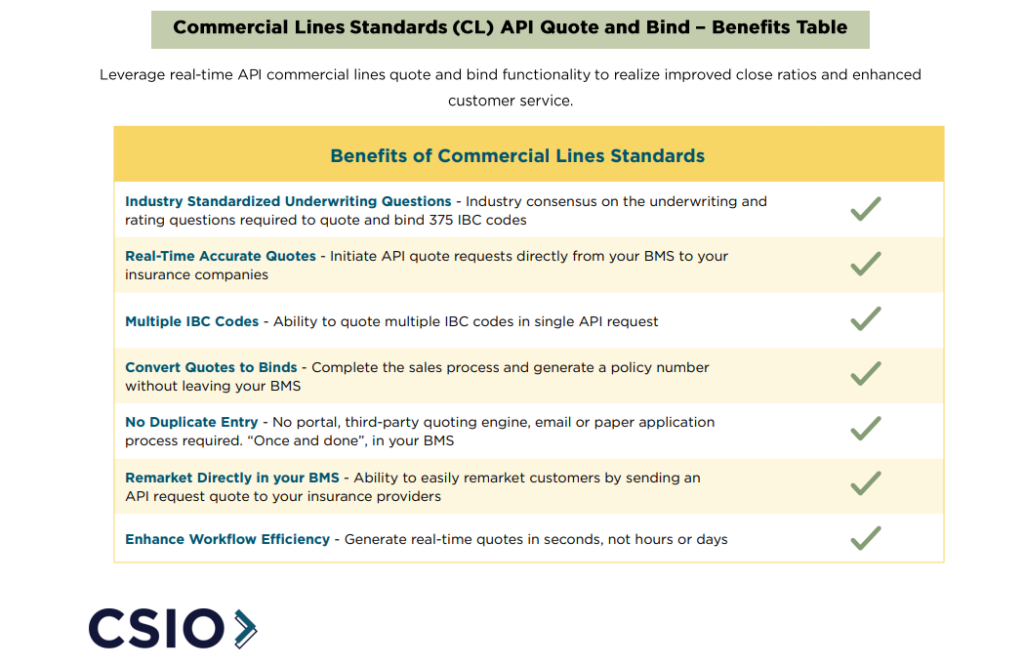
Connections between systems can then carry supported information onward. Canada’s small-business commercial insurance standards program, for example, describes standardized underwriting questions and direct quote requests between broker and insurer systems, reducing duplicate entry.
That benefit depends on the systems being connected and the product being supported. A specialist underwriter may still need supplementary information and the broker should be able to add it without rebuilding the entire submission.
DEEPER DIVE: Here are Arizona’s Most Admired Companies of 2026
2. Market searches become more focused
Insurers have different appetites when it comes to the kinds of business and exposures they are willing to consider. Quoting platforms can put appetite information and insurer notes alongside available rates, which gives brokers an earlier indication of where to spend their time.
An account that falls outside automatic quoting rules still needs a route to an underwriter. Useful technology makes that referral visible and keeps the supporting documents attached, so the next person can see why the case needs a closer look.
3. Comparisons can show more than the premium
Bringing several quotes together makes price differences easier to see. The next job is to determine whether the offers cover the same things.
One property option might carry a different deductible for a particular event, while another might limit payment for an exposure that matters to the client.
A comparison workspace can organize limits, deductibles, exclusions, and outstanding conditions. Where wording differs, the broker needs to read the documents and explain the real-life consequence.
4. The next step is easier to track
Once the client chooses an option, information may need to move again. Connected tools let the broker send prefilled information to the insurer for processing, meaning there is less to enter again, though questions may remain.
The broker also needs a clear answer about where the account stands. Has a price merely been indicated or has an authorized party confirmed that coverage is bound? The team needs to know who is handling any unfinished work.
A shared record also helps when a colleague takes over an account. It enables them to see the latest documents and unresolved questions without piecing together an email chain.
Making the process dependable
A brokerage gets more value from these tools when it tests the whole journey with representative accounts. Check whether the team can:
- Identify the current version of the submission
- Find questions still waiting for an answer
- Trace quoted terms to the insurer’s documents
- Confirm that agreed changes reached the final paperwork
The useful measures are avoidable follow-up requests and how quickly the team produces a proposal it can explain.
What the client should notice
For a business owner, the improvement is that they only need to supply information once and receive a quick explanation of the options available.
The broker has more room to discuss the trade-offs, such as which terms matter and what must happen before coverage takes effect. That’s where faster quoting becomes better service.