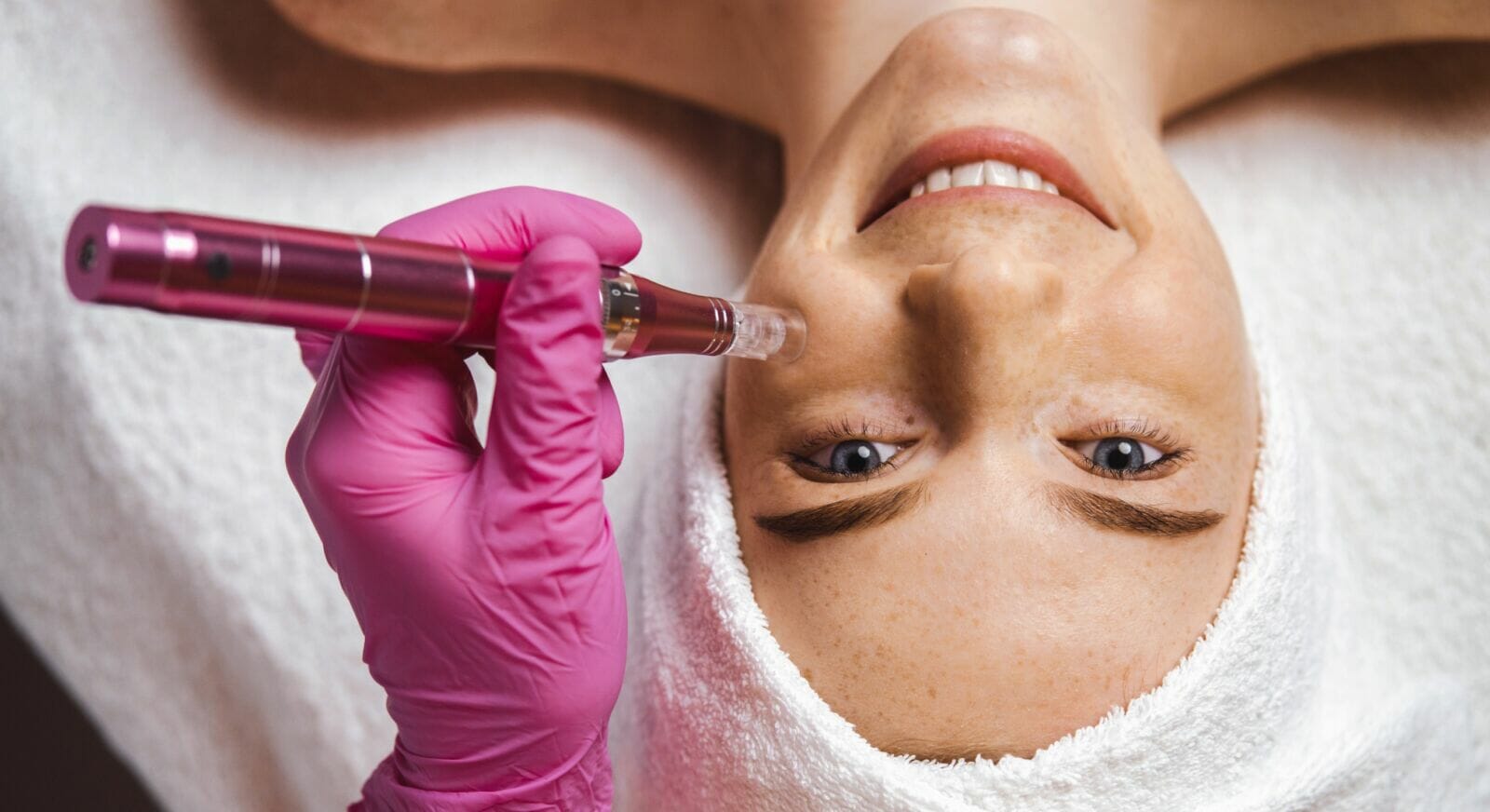
Botox appointments now sit alongside blowouts and manicures in shopping centres across the country. Med spas have become one of the most visible categories in consumer health, and from the pavement they look broadly interchangeable: clean interiors, a price list, a menu of injectables and skin treatments.
What is not visible from the pavement is the business underneath. Two med spas can offer an identical treatment list and be built on entirely different structures, with different ownership, different supervision arrangements and different answers to the question of what happens when something goes wrong.
The clearest version of one model is a med spa that sits inside a surgical practice. Plastic Surgery Services & Med Spa in Hagerstown, Maryland, run by Henry F. Garazo, MD, FACS, is built that way: a board-certified plastic surgeon with more than 25 years in practice, an accredited on-site surgery center, and non-surgical treatments offered under the same roof as the surgical ones. The alternative model — a standalone location with a medical director who may work elsewhere — is far more common, and the difference is structural rather than cosmetic.
Two models, one shopfront
In the integrated model, the physician who owns the practice performs surgery in the same building and carries clinical responsibility for everything offered under the brand. Injectables are one service among many, and the escalation path when a treatment does not go as planned is short: the person who can assess it is down the corridor.
In the standalone model, ownership is frequently commercial rather than clinical. State law generally requires a physician to be involved, but the required degree of involvement varies considerably between states — in some, a medical director may supervise remotely and see few patients directly. That is legal where permitted. It is also a materially different arrangement from the one most consumers picture.
DEEPER DIVE: Here are Arizona’s Most Admired Companies of 2026
Why the structure matters commercially
For anyone looking at this as a business rather than a treatment, the structure drives most of the economics.
It determines who carries liability and what insurance costs. It shapes hiring, because a practice with a surgeon on site can train injectors against a clinical standard rather than a vendor’s certification course. It affects device purchasing, since equipment decisions made by a clinician tend to differ from those made against a payback schedule. And it changes retention: practices that can move a patient between non-surgical and surgical options keep them for longer than a single-service location can.
None of that makes standalone med spas illegitimate. Many are well run. But the two models are competing in the same market on price and marketing while operating on different cost structures, and that asymmetry is worth understanding before you assume the cheaper quote is simply better value.
Four questions worth asking
- Who is the medical director, and are they on site? Not who signs the paperwork — who is physically present during treatments.
- Who is performing the injection, and under what licence? Requirements for nurses, physician assistants and other staff differ by state.
- What happens after hours if there is a complication? A phone number that reaches a clinician is not the same as a voicemail box.
- If surgical procedures are offered, is the facility accredited? Accreditation is verifiable and worth verifying.
The part the price list leaves out
Injectables and energy-based skin treatments are medical procedures, not beauty services. They carry risks including bruising, swelling, infection, asymmetry, nerve-related effects and, in rare cases, more serious vascular complications. Results vary between individuals, and suitability can only be established through an in-person evaluation by a qualified clinician who has reviewed your medical history.
That is the honest frame for a growing consumer category: the treatment menu is the easy part to compare, and the least useful. What sits behind it — who owns the business, who supervises the clinical work, and who answers the phone at nine on a Saturday evening — is harder to compare and considerably more informative.
Editor’s note: This article is for general information and is not medical advice. It does not substitute for consultation with a qualified physician. All medical procedures carry risk and individual results vary.