People often think about lighting when they want to change the mood in a room. Bright lights tend to wake people up, and dimming the bulbs could create a romantic or relaxing atmosphere. But, the level of lighting in a room also plays a valuable role in keeping people safe.
Many public spaces require adequate lighting to prevent dangerous slip-and-fall accidents. Poor lighting can hide uneven spots on the floor and other hazards. Understanding how poor lighting increases your risk of experiencing a slip-and-fall injury helps you stay safer and recognize how an accident happens.
Watch Out for Concealed Hazards
Tip-toeing around in the dark might be a silly way to avoid waking everyone up when you get a midnight snack, but it can be far more dangerous in areas that aren’t as familiar as your kitchen. Poor lighting in public spaces can often hide objects in your walking path that you might not expect to be there.
For instance, you might trip over an electrical cord in your path in a dark theater or concert venue. Poorly lit restrooms in restaurants might disguise wet floors that could cause you to fall. Even bad outside lighting might make it impossible to tell that the sidewalk is icy or that the entrance tiles are wet.
As a visitor to someone else’s property, it’s important to always remain alert for potential hazards in dark hallways, rooms or outdoor walking areas. If you trip and fall over a hidden object, then make sure to seek medical attention for your injuries.
Consider the Risk of Impaired Depth Perception
Low lighting can also play a few tricks on your brain. Your eyes need certain lighting to be able to recognize depth. If shadows obscure steps in your walking path, then you might misjudge the height of your feet as you try to move through the space. In a worst-case scenario, you might miss the fact that stairs exist completely. Taking a wrong step in a dark stairwell could lead to major head, neck and back injuries.
You’ll want to be especially cautious in dark areas if you or your loved one has vision or cognitive issues that impair your depth perception. For instance, someone with Parkinson’s disease might be at an increased risk of falling in areas with uneven walking surfaces. If you own a medical facility or other public space that serves senior adults and people with mobility or visual challenges, then it’s especially important to make sure that walking areas have adequate lighting.
Pay Attention to Common Dimly Lit Spaces
Although all public properties should be safely lit, there are a few areas that you might encounter that are more likely to be hazardous. Public parking garages should have plenty of overhead light, but it is possible for maintenance to become lax enough that burned-out bulbs aren’t replaced immediately. A dark public parking lot could have slick spills on the ground, along with debris that raises the risk of slipping and falling.
Many commercial establishments have poor lighting indoors. For instance, a darkened bar combined with impaired depth perception from drinking alcohol creates a bad combination that can lead to falls. Many restaurants also aim to set a relaxing mood by dimming the lights at the tables. However, there should be proper lighting in the main walkways to prevent major accidents, especially if a drink spill occurs.
Entrances and exits to a building are also common hot spots for slip-and-fall injuries. Many porches and patios have steps leading to the entrance that you might not see if the area is dimly lit. Giving your eyes time to adjust and walking up these areas slowly can help you avoid falling. If you own a property, then adding extra lighting to these areas could prevent costly premises liabilities.
Recognize the Common Injuries From Poor Lighting
Being unable to see where you are walking raises the risk of slip-and-fall accidents considerably. But, you should also know that there is a heightened risk for severe injuries in dimly lit areas.
When you can see a hazard in your path, you can take steps to avoid a major fall. Even if it is too late, recognizing the hazard could help you grab a handrail or use other strategies to avoid having the injury be as severe. But, suddenly realizing you are going down gives you no time to prepare to brace yourself from an injury.
People who fall in dimly lit spaces often deal with severe trauma that includes strains, sprains and broken limbs. Since the hazard might be a wet surface, you are also more likely to experience a reverse fall that causes an impact to your head, back or neck.
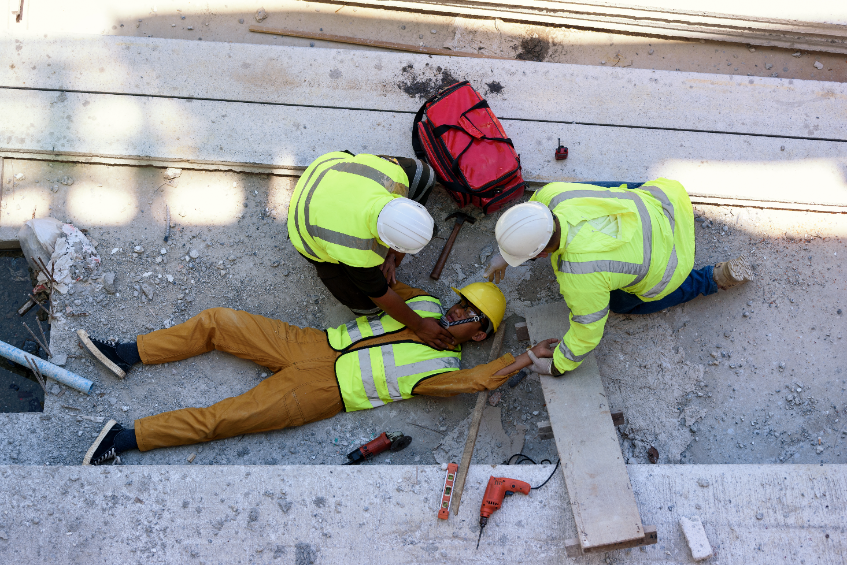
If you or someone near you experiences a fall in low lighting, it is important to be careful to avoid making an injury worse. For instance, head or neck trauma might need immediate medical assistance to stabilize the spine and prevent further injuries. If you hit your head during a slip-and-fall accident, then there is also a risk of having a traumatic brain injury.
Feeling dizzy, confused or having a severe headache and nausea are all signs that you need to seek emergency medical treatment. If you visit a doctor or hospital, make sure to keep records of your diagnosis and any bills that you receive. Being able to document your injuries is important for handling any potential premises liability claims.
In a perfect world, every room would be filled with bright light and sunshine. But, it’s important for people to take precautions to prevent shadows and darkness from causing someone to get hurt. While you can do your part to give your eyes time to adjust and watch out for hazards, the truth is that accidents can happen at any time.
If you experience an accident in poor lighting, take note of the circumstances. Once you’ve addressed your injuries, you may need to work with a premises liability lawyer to seek compensation for your medical care and other expenses. While your injuries might be devastating, it is possible to move toward a brighter future by caring for your needs during a challenging time.