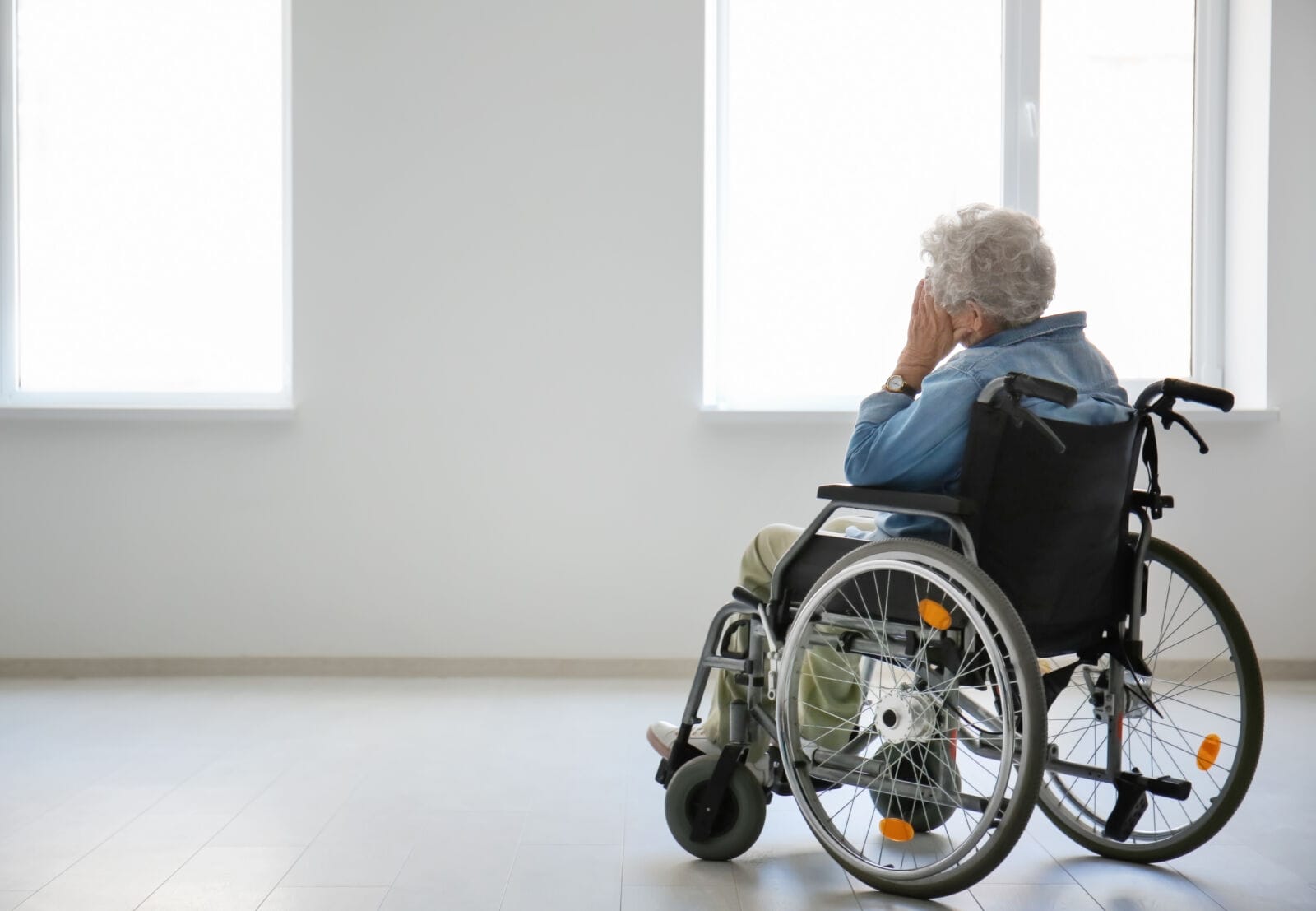
Nursing home abuse and neglect cases in Boynton Beach involve situations where vulnerable residents suffer harm due to poor care, lack of supervision, or failure to meet basic safety standards. When this happens, Florida law allows families to pursue compensation for the losses caused by the facility’s actions or inaction.
Research from the World Health Organization shows that approximately 1 in 6 older adults experience some form of abuse each year, and cases in institutional settings such as nursing homes are often significantly underreported, especially where supervision or care systems fail.
A nursing home abuse lawyer evaluates the circumstances of each case to determine what damages may apply and how the abuse or neglect impacted the resident’s health, dignity, and quality of life. A nursing home negligence attorney focuses on proving that care standards were not met and that the failure led to injury or harm.
Research from the National Center on Elder Abuse, supported by federal elder justice data, shows that elder mistreatment is widely underreported and often linked to systemic care and supervision failures.
FOOD NEWS: 10 celebrity chef restaurants to try in Arizona
Understanding Nursing Home Abuse Claims in Florida
Nursing home abuse claims are based on negligence principles. Facilities have a legal duty to provide residents with adequate care, supervision, hygiene, nutrition, and medical attention. When they fail to meet this duty, and harm occurs, legal responsibility may follow.
Abuse or neglect can include physical harm, emotional mistreatment, failure to provide medication, dehydration, malnutrition, bedsores, or unsafe living conditions. Even non-physical neglect can result in serious long-term consequences for elderly residents.
A nursing home abuse lawyer reviews medical records, facility logs, and witness statements to determine whether proper care standards were followed.
Types of Compensation Available
Compensation in nursing home abuse cases is designed to address both financial losses and non-financial harm suffered by the victim.
Medical Expenses
This includes hospital visits, emergency care, rehabilitation, medication, and ongoing treatment required due to neglect or abuse. Long-term medical needs may also be included if the injury results in permanent impairment.
Pain and Suffering
Victims may be compensated for physical pain, emotional distress, fear, and reduced quality of life caused by the abuse or neglect. This category reflects the human impact of mistreatment.
Loss of Dignity and Emotional Harm
Nursing home abuse often causes humiliation, anxiety, and emotional trauma. These damages recognize the psychological effects of neglect or mistreatment.
Relocation and Care Costs
If a resident must be moved to another facility due to unsafe conditions, compensation may include the cost of transfer and new care arrangements.
Loss of Companionship in Wrongful Death Cases
When neglect leads to death, families may pursue damages for loss of companionship, funeral expenses, and related losses.
How Compensation Is Determined
A nursing home negligence attorney evaluates several factors when determining potential compensation:
- Severity of the injuries or harm
- Duration and type of neglect or abuse
- Medical documentation and expert evaluations
- Impact on daily living and independence
- Facility records and staffing conditions
Each case is unique, and compensation depends on the evidence and the clarity with which negligence can be shown.
Evidence Used in Nursing Home Abuse Cases
Strong evidence is essential in proving liability and damages. Common forms of evidence include:
- Medical reports and hospital records
- Photographs of injuries or unsafe conditions
- Witness statements from staff, residents, or visitors
- Care logs and medication records
- Facility inspection reports
- Complaints filed with regulatory agencies
A nursing home abuse lawyer uses this evidence to show how the facility failed in its duty of care and how that failure caused harm.
Florida Standards for Nursing Home Care
Florida law requires nursing homes to maintain a reasonable standard of care for all residents. This includes providing proper medical attention, supervision, hygiene, nutrition, and safe living conditions. These requirements are outlined in Florida Statutes Chapter 400, Part II (Nursing Homes and Related Health Care Facilities), which governs licensing, care standards, and resident rights in long-term care facilities.
Facilities are also expected to maintain accurate records of care and staffing. Missing or inconsistent records may raise concerns about whether proper procedures were followed.
Regulatory oversight helps ensure compliance, but legal claims often arise when those standards are not met, and residents suffer preventable harm.
Why Legal Action Is Important
Nursing home abuse cases often involve complex documentation and resistance from facilities or insurers. A nursing home abuse lawyer helps families investigate the situation, gather evidence, and understand legal options.
A nursing home negligence attorney can also help ensure that critical records are preserved and that the full extent of harm is properly documented. Legal action not only seeks compensation but also helps hold facilities accountable for unsafe practices.
Common Challenges in These Cases
Nursing home abuse claims may face challenges such as:
- Lack of clear documentation from facilities
- Delayed reporting of injuries
- Disputes over the cause of injury
- Limited witness availability
Because of these issues, early investigation is often crucial to preserving evidence and building a strong claim.
Conclusion
Compensation in nursing home abuse cases in Boynton Beach can include medical expenses, emotional harm, relocation costs, and other damages related to neglect or mistreatment. These cases depend heavily on evidence and the ability to show that the facility failed in its duty of care.
If you believe a loved one has suffered abuse or neglect, FK Legal can help you understand your options. A nursing home abuse lawyer or nursing home negligence attorney can review the facts, evaluate liability, and pursue compensation for the harm caused.