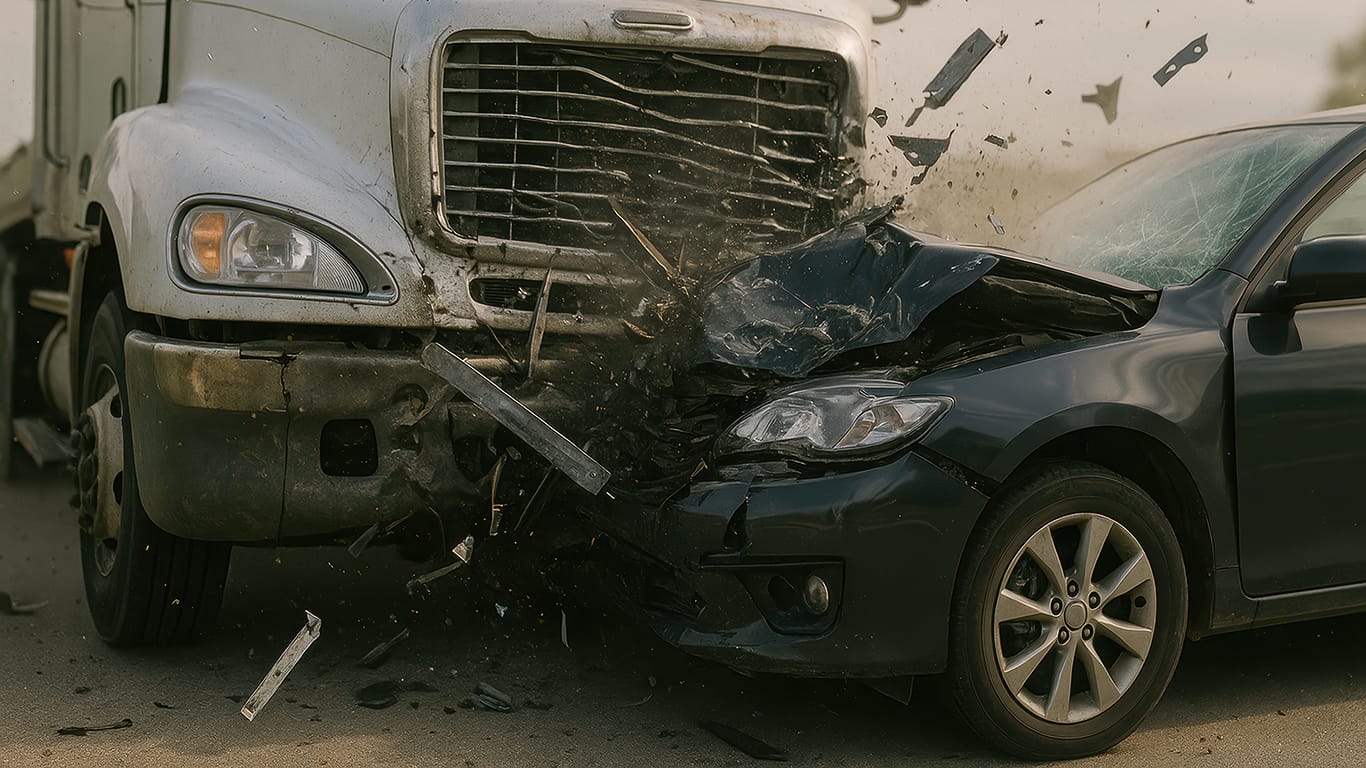
Commercial truck injury claims often turn on proof gathered in the first hours after a crash. Large carriers usually control the truck, the records, and much of the technical data. That imbalance means injured people need facts that show how the collision happened, who had control, and whether safety rules were ignored. Strong evidence does more than support a claim. It shapes settlement value, witness credibility, and trial strategy from the start.
Early Action
Speed matters because key records can vanish, be overwritten, or lose context within days. In many cases, a Truck Accident Lawyer in Scranton case review begins with preservation demands, scene analysis, and requests for electronic records. That prompt work helps secure proof before a carrier builds its own story and before witnesses forget small facts that later carry real weight.
Scene Proof
Photos, roadway marks, debris patterns, and vehicle damage often provide the clearest starting point. These details can show lane position, speed, braking effort, and angle of impact. Skid marks may reveal a delayed reaction time. Cargo spills may suggest poor loading. Weather, lighting, and sign placement also matter because defense teams often argue that outside conditions, not driver conduct, caused the crash.
Driver Records
A driver qualification file can reveal hiring gaps, poor training, prior violations, or expired certifications. Logbooks and electronic logging device records may show hours-of-service problems, missed breaks, or unrealistic routes. Phone records can expose distractions close to impact. Drug and alcohol testing results can carry heavy weight when impairment is suspected. Together, these materials help connect unsafe conduct to a specific decision behind the wheel.
Truck Data
Modern commercial vehicles store valuable mechanical and operational information. Event data recorders can capture speed, brake use, throttle position, and sudden changes before impact. Onboard systems may also show fault codes or maintenance alerts. If the truck had cameras, video could confirm traffic flow, lane drift, or following distance. This information is often objective, which gives it strong value when witness accounts conflict.
Maintenance History
Inspection and repair records often show whether the carrier kept the vehicle roadworthy. Brake wear, tire condition, lighting failures, and steering defects may point to preventable risks. A pattern of delayed repairs can weaken a defense that blames the driver alone. Shop invoices, inspection reports, and internal maintenance notes can also expose whether the company placed delivery speed ahead of basic vehicle safety.
Company Conduct
Commercial truck cases rarely stop with the person driving. Dispatch messages, route instructions, and delivery deadlines may show pressure that encourages unsafe choices. Broker agreements and cargo documents can identify other responsible parties. Internal emails or safety audits may reveal known rule-breaking. When a company ignores warnings, that proof can shift the case from simple negligence to a broader claim about unsafe corporate conduct. Firms like Scartelli Olszewski investigate truck accident claims, reviewing company records and other evidence to identify the potentially responsible party.
Witness Accounts
Independent witnesses can help confirm timing, lane movement, and driver behavior. Their value often rises when they have no ties to either side. First responder observations also matter, especially on road conditions, statements at the scene, and visible injuries. Medical records carry equal force. Emergency evaluations, imaging, and treatment notes help link the crash to the injuries, which is vital when insurers question causation.
Rule Violations
Federal trucking rules help define what safe conduct should look like. Violations tied to driver hours, inspections, cargo securement, or qualifications can support a strong liability theory. These rules matter because they give juries a practical benchmark. Instead of arguing over vague carelessness, a claim can point to a missed inspection, a false log entry, or an ignored defect that should never have been allowed.
Expert Analysis
Raw records rarely explain themselves. Reconstruction specialists can use scene data, truck downloads, and vehicle damage to model movement before impact. Medical experts help separate crash injuries from prior conditions. Freight and safety experts may explain industry standards to a jury. Good expert work does not replace documents. It organizes them, tests them, and turns scattered facts into a clear account of fault and harm.
Conclusion
The strongest commercial truck injury claims rely on evidence that is timely, technical, and tied to clear safety duties. Scene photos, driver logs, truck data, maintenance files, company records, and medical proof each answer a different question. When those pieces line up, they create a persuasive case that is hard to dismiss. In these cases, the best evidence is rarely one document. It is the pattern the full record reveals.