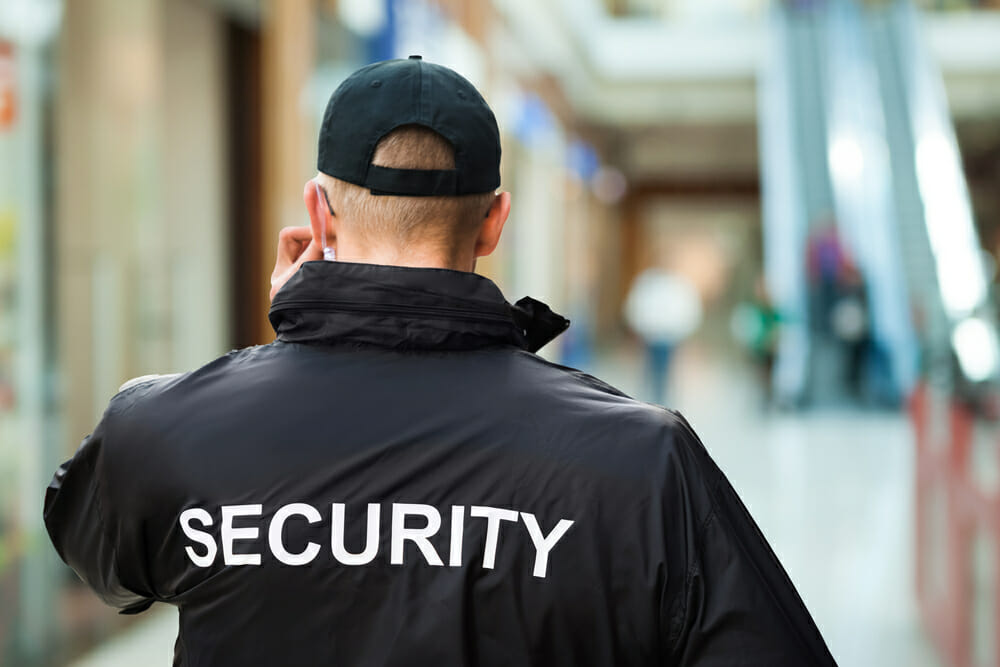
A security guard can look ready and still not be ready.
That happens more often than clients realize. The guard shows up on time, has the uniform on, stands where he is supposed to stand, and everything looks fine. But the real test is not when the shift is quiet. The real test is when something goes wrong.
Someone refuses to leave the property. A gate is open that should have been locked. A car keeps driving through the lot for no clear reason. An employee says they are uncomfortable walking out alone. A person is standing near an entrance too long. That is when the client finds out if the guard knows what to do. Great security guard companies instill in their security guards to go the extra mile.
Security work is not complicated because of one big thing. It is complicated because of all the small decisions a guard has to make throughout the shift. Most of the job is noticing things early. A good guard is not waiting for a major incident. He is watching the property, learning the routine, and paying attention to what does not fit.
That is why training matters so much.
DEEPER DIVE: Read all the Ranking Arizona Top 10 lists here
INDUSTRY INSIGHTS: Want more news like this? Get our free newsletter here
A guard who only received basic instructions may know where to stand, but that does not mean he knows how to handle pressure. Real security work can change quickly. One minute everything is calm. The next minute the guard is dealing with an angry person, a trespasser, a damaged gate, a blocked entrance, or a situation where someone may need help.
Training from people with military and law enforcement backgrounds makes a difference because those trainers understand real pressure. They understand discipline. They understand how quickly a situation can change. They understand that staying calm is usually more useful than trying to act tough. That kind of training teaches guards to think before reacting.
A good trainer does not just tell a guard, “Watch the property.” That is too vague. A guard needs to know what he is watching for. Is someone walking around with no clear reason to be there? Is a vehicle parked in a strange place? Is a door open that was closed earlier? Is someone testing a gate? Is there a broken light, a damaged lock, or a fence panel that looks like it was moved?
Those things may not look serious to someone passing by. To a trained guard, they matter. Small things are often the first sign that something is wrong.
The other part of training is judgment. Not every situation should be handled the same way. A confused visitor is not the same as a trespasser. A frustrated delivery driver is not the same as someone threatening people. An upset tenant is not the same as a person trying to force their way into a restricted area.
A guard who overreacts can create a bigger problem. A guard who ignores everything is not protecting the property. The right response is usually somewhere in between, and that is where training shows.
This is why guards need real-life scenario practice. They should already have practiced what to do when someone refuses to leave, when a person becomes aggressive, when a vehicle blocks an entrance, when an employee reports suspicious activity, or when something is damaged on the property. The first time a guard thinks through those situations should not be while the client is depending on him.
Classroom training still matters. Guards need to understand post orders, patrol procedures, access control, emergency response, report writing, and the limits of their authority. They need to know when to call management, when to call police, when to call fire, and when to contact emergency medical services.
But paperwork alone does not make a good guard. A guard also has to be trained on the actual property. Every site has its own problems. A warehouse may need strong access control. An apartment building may need a guard who can deal with residents, guests, parking issues, and rule enforcement. A construction site may need more patrols around equipment and materials. A parking lot may need visibility and vehicle monitoring.
Even two properties that look similar can be completely different once the guard starts working there.
That is why the guard needs to learn the site. Where do people enter? Where do employees park? Which doors need to stay locked? Which areas have had problems before? Who should be contacted after hours? What does the client care about most?
Once a guard understands the normal routine, he can notice what does not belong. That is when the guard becomes much more useful.
Communication is another part of the job that matters more than people think. A guard may need to ask someone to leave. He may need to explain a rule. He may need to calm someone down. He may need to speak with police, fire, management, employees, residents, vendors, or visitors.
How the guard speaks matters. A guard who sounds rude can escalate a situation. A guard who sounds nervous can lose control of the conversation. A guard who is calm, clear, and firm can often solve the problem before it becomes serious.
At the same time, a trained guard knows when talking is not enough. If someone is threatening people, damaging property, trying to break in, refusing to leave, or creating an immediate safety concern, the guard needs to follow procedure and call for help. Good training does not teach guards to take unnecessary risks. It teaches them to recognize when a situation is beyond their role.
The security company has a responsibility too. A guard should not be dropped at a property and forgotten. Someone from the company should be reviewing reports, checking in, updating post orders, answering questions, and making sure the guard understands the client’s concerns.
That is where many security companies fail. They fill the post, but they do not manage the service. The client may have a guard on site, but no one is really checking whether patrols are being completed, whether incidents are being documented, or whether the guard is doing what the client actually needs.
Reporting is a big part of accountability. If a guard finds a broken gate, a suspicious vehicle, a trespasser, vandalism, a damaged lock, an open door, or anything else that affects the property, the client should know. Not with a vague “everything was fine” note. The report should explain what happened, where it happened, when it happened, what the guard saw, and what action was taken.
Photos and time-stamped notes help because they give the client something real to review. They also help the security company supervise the guard. If reports are clear, supervisors can see what is happening at the property and follow up when something needs attention.
Good security is not just one thing. It is hiring the right people, training them properly, teaching them the site, giving them clear post orders, supervising their work, and holding them accountable. When those pieces are missing, the client may still have a guard, but the service is weak.
VP Security Guards provides security guard services with that structure behind the guard. Guards are trained by professionals with military and law enforcement experience, along with classroom training, on-the-job training, and real-life scenario practice. VP Security Guards also uses Vision Insites reporting so clients can receive time-stamped reports, photos, videos, patrol notes, and incident documentation. The purpose is to provide guards who are prepared, supported, accountable, and able to make good decisions when it matters.