I help run marketing for a small group of restaurants — four locations, mostly casual dining, nothing fancy enough to have a marketing department beyond me and whoever’s willing to help on a given week. Food photography we can usually manage; most of our chefs know how to plate something for a camera. Food video is a different story entirely.
Why Video Matters More for Food Than Almost Anything Else
There’s something specific about food content that makes video disproportionately effective compared to other product categories. Steam rising off a bowl of noodles. Cheese pulling as a slice comes off the pie. The way a sauce pools when it’s poured. None of that comes through in a still photo the same way, and anyone who’s scrolled Instagram at 11pm hungry already knows this intuitively — the accounts that make you actually want to order something are almost never posting flat photos anymore.
We knew this. Knowing it didn’t solve the problem of not having a video budget.
The freelancer math that never worked
I priced out a local food videographer a couple years back for what would have been a modest project — maybe eight dishes across our menu, half a day of shooting. The quote came back higher than our entire quarterly marketing spend for one location. That’s not a criticism of the freelancer, their rate was fair for the work involved. It’s just a mismatch between what good food video costs and what a four-location casual dining group can actually justify spending on content.
Working From What We Already Had
We had a backlog of decent photography going back a couple years, dishes shot for the menu, for delivery app listings, for the occasional press mention. That library became the raw material once I started running images through Seedance 2.0 to see what we could get without a new shoot.
What actually worked well
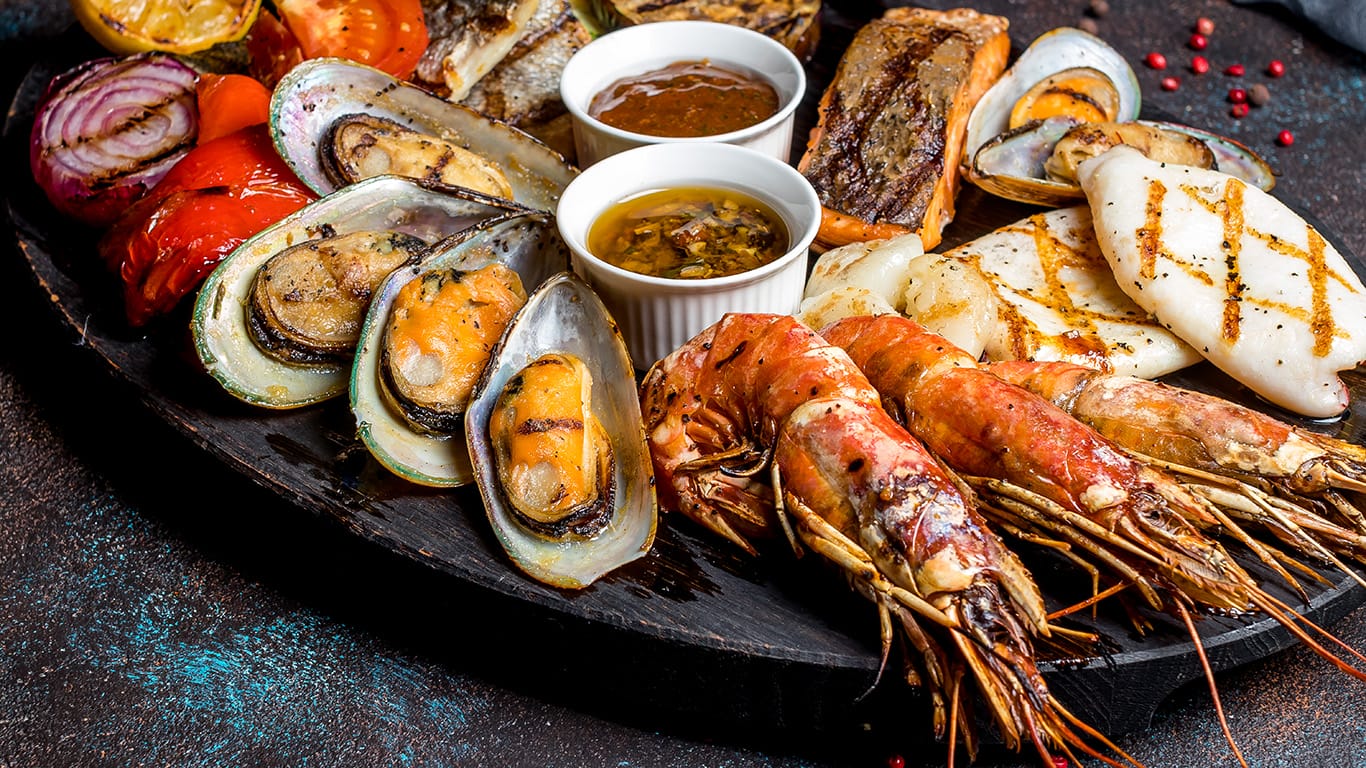
Anything with visible steam, sauce, or cheese tended to produce results I was genuinely happy to post. A bowl of ramen, a pizza slice, a plate of pasta with sauce still glossy — these translated into short clips that had real motion in the right places. I ran our top eight menu items through it over the course of one evening and had usable clips for six of them by the time I stopped.
What didn’t work
Dry, static items were a mixed bag — a plated salad without much visible sauce or texture didn’t gain much from the treatment, and a couple of attempts just looked like a slightly wobbly photo rather than genuine food movement. I stopped forcing it once I noticed the pattern. Now I mentally sort our menu into “will benefit from this” and “photo is fine as-is” before I even start, which saves time I used to waste on items that were never going to improve much.
DEEPER DIVE: West Valley reinvents itself as entertainment destination
WOMEN IN BUSINESS: The Most Influential Women in Arizona for 2026
Using This Across Different Channels
Delivery app listings
This turned out to be an unexpected win. Most delivery apps still only support static images in the actual listing, but a few allow a short video in the restaurant’s profile or promotional placement, and that’s an area almost nobody in our local competitive set was using. We were early to something small but real — a slightly more dynamic profile page than the restaurants around us, for basically no incremental cost once the clips existed.
In-store displays
We run a small screen near the register at two locations that used to cycle through static photos of specials. Swapping that rotation to include a few of these clips made the whole display feel less like a slideshow and more like something worth glancing at while waiting for a table. I don’t have hard data on whether it’s moved add-on orders, but our GM at one location mentioned unprompted that people seem to look at it more than they used to, which is at least a signal worth paying attention to.
Social ads for slow nights
We’ve started running small local ad budgets specifically for our historically slower nights — Tuesdays, mostly — using these clips as the creative. It’s cheap enough that even a modest lift in Tuesday covers matters to us in a way it might not for a bigger operation. This is exactly the kind of low-stakes, high-frequency testing that a real video shoot would never have supported financially.
Being Honest About the Limits
I don’t think this replaces a real shoot for anything that matters at the flagship level — a signature dish getting featured in local press, a hero image for a menu redesign, anything where the restaurant’s reputation is genuinely riding on how good the food looks. For that tier of content we still save up and hire someone when we can. What this has replaced is the stuff that used to just not exist at all: routine, ongoing content for the long tail of our menu and the daily grind of social posting, which is most of what a small operation actually needs on a week-to-week basis.
A quick migration note
If you’re searching around for this and hitting an old bookmark, it’s because Seedance2.ai moved to Seevio.ai — useful to know if a link from an old blog post or a saved recipe-marketing article you found doesn’t load anymore.
What I’d Tell Another Restaurant Marketer
Start with your best-performing photos, not your newest ones. The dishes people already order the most are usually the safest bet for this kind of treatment, since you already know the photography works and you’re just adding motion to something proven. Don’t try to fix a mediocre photo by running it through a video tool — a flat, poorly lit shot doesn’t magically become a good clip, it just becomes a flat, poorly lit clip that moves slightly. Fix the photo first, then let the motion do its job on top of something that was already working. And keep a running mental list, the way I do now, of which categories of food actually benefit from this — you’ll waste less time on attempts that were never going to pay off, and you’ll get faster at spotting the dishes worth prioritizing first.