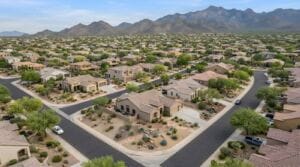
In the West Valley, housing projects came long before the restaurants, nightlife or cultural amenities. Instead, residents drove to the East Valley or downtown Phoenix for concerts, restaurants or nights out. But the West Valley is not merely lagging behind — it is modeling how large suburban neighborhoods can shape a local, ambitious entertainment landscape. Population growth, rising incomes and much-anticipated infrastructure are intersecting with a rush of private investment. As a result, the region is no longer waiting for amenities to come. It is building them.
Buckeye Mayor Eric Orsborn has been asked by residents to bring entertainment closer to home. He cites Verrado Marketplace as an example.
“We are in the middle of Verrado Marketplace, and it’s so darn amazing,” said Orsborn in his State of the City speech.
“This is a big deal for Buckeye and the people who live here. Right here in our community, it’s really a place for dining, shopping and entertainment.”
Filling a void
The same can be observed by developers.
Kean Thomas, who is overseeing the project for Vestar, says Verrado Marketplace fills an empty space that has existed for years.
“Before we were working on completion of this project, there wasn’t really anything like that in Buckeye,” he says.
“There was no new retail of any significant scale. It just didn’t exist.”
That demand, he says, has been building for more than a decade.
“Back in 2007, Buckeye had 10,000 people, and now there are more than 100,000 people in Buckeye itself,” Thomas says. “You see all that growth in those 15 years — no new retail of any meaningful magnitude was built.”
At the northeast corner of Interstate 10 and Verrado Way, Verrado Marketplace will feature more than 55 retailers, restaurants, services and entertainment concepts, along with outdoor gathering spots, a splash pad, live performance stage, community green and Vestar’s Sip & Stroll program.
Attracting the right tenants, Thomas says, took more than rooftops — it took placemaking.
“To move from your grocery store and everyday needs to lifestyle tenants, you really need to build something special,” he says.
“We invest loads of time and effort to make it feel really nice — the architecture, the site layout, the landscaping, et cetera.”
A half-acre common space with a stage, splash pad and shaded turf will serve as the community hub.
“It’s a kind of community gathering area,” Thomas says. “You don’t have to come to this place just to shop. You can just bring the kids and chill.”
That sense of place, he says, is what makes a shopping center a regional draw.
“It makes it a more appealing community to live in because it’s somewhere you have your services,” he says.
“And the retailers like that it’s the place where everyone in the area needs to go because they know it’s going to be a hub for everyone in the area.”
City of the future
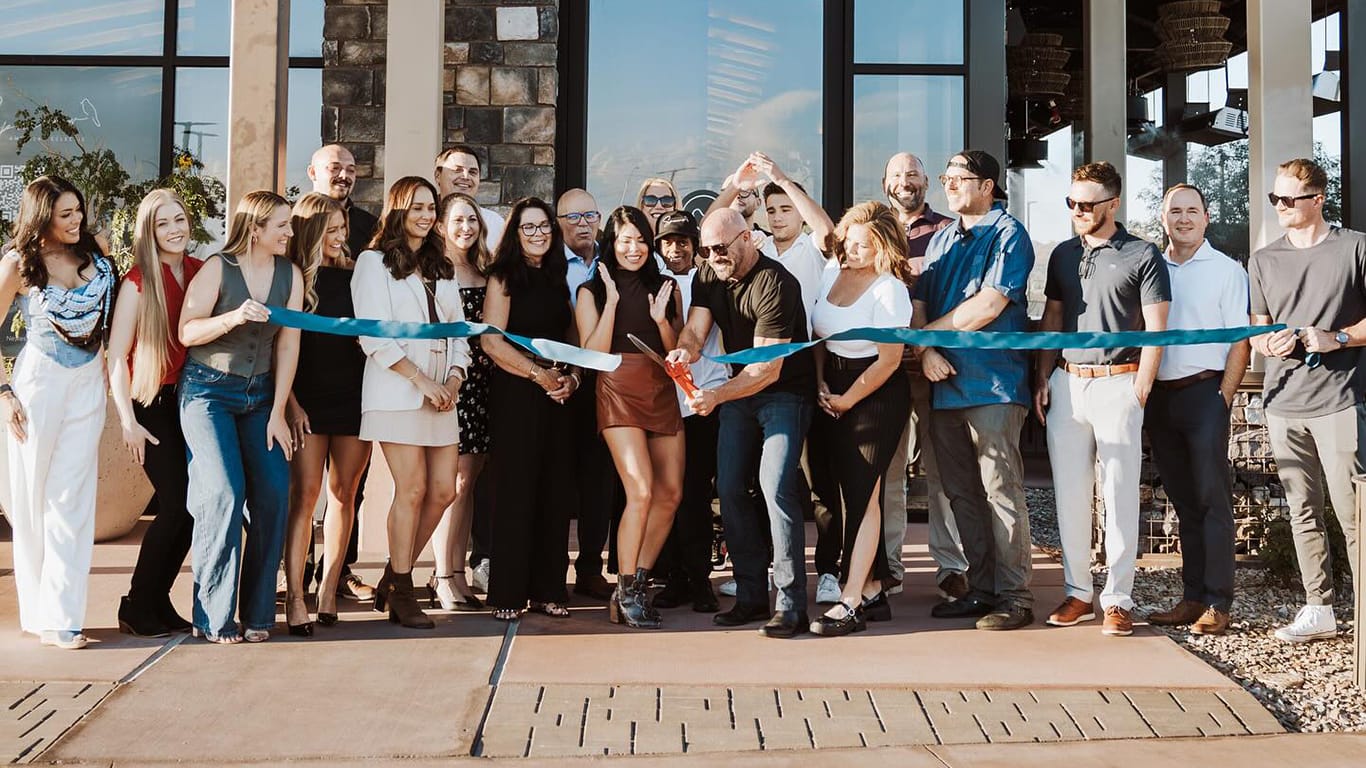
The first wave of openings — HomeGoods, Marshalls and Ulta — arrives this spring, but Orsborn insists the project is just the start.
With 750 jobs tied to the project and major infrastructure improvements ahead, Buckeye is positioning itself as a city where entertainment is not an afterthought.
“Growth isn’t coming,” Orsborn adds. “It’s here.”
Goodyear is another prime example of meeting the needs of residents and city officials alike. Its downtown development, GSQ, will be a walkable destination bringing together dining, retail and community spaces. GSQ is a public-private partnership between the city, Globe Corp. and RED Development.
“Goodyear continues to evolve as a destination for dining, connection and community,” said Goodyear Mayor Joe Pizzillo.
Future businesses will join a growing mix of concepts already open in downtown Goodyear, including Kura Sushi, Trader Joe’s, First Watch, Dave’s Hot Chicken, High Tide Seafood, Over Easy, Bacchus Wine & Debauchery, Banner Health and Avila University Arizona.
Additional tenants planned for the development include Paris Baguette, Zara Nail Bar, Handel’s Ice Cream, Reformed Pilates, Berry Divine Acai Bowls and Magdaleña, alongside previously announced concepts such as Black Rock Coffee Bar, Fogo de Chão, CAVA, California Fish Grill and VEG (Veterinary Emergency Group).
Glendale, too, is accelerating, as Arrowhead Towne Center has become one of the principal retail and entertainment centers in the West Valley. Macerich Senior Vice President Kim Choukalas calls the transformation of the shopping center proof that the region’s explosion “isn’t theoretical — it’s lived reality.”
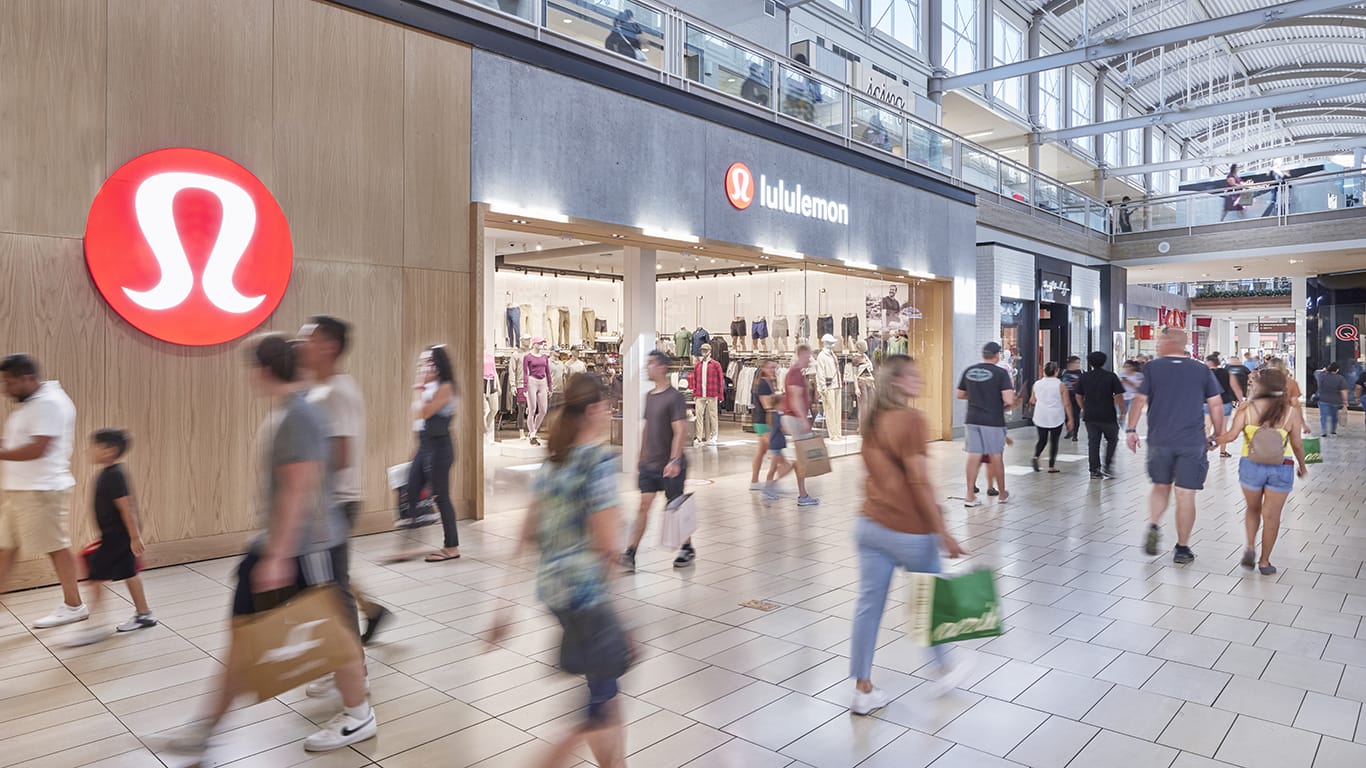
With 1.9 million people living in the Northwest Valley and growth “two times faster than the U.S. average,” Arrowhead has become a magnet for national companies. It is the only fully nationalized enclosed regional mall west of I-17 to attract elite retailers such as Lululemon, Coach, Kendra Scott and soon, Gorjana. Even Hot Topic is expanding to become its largest store in Arizona.
Retail is alive and thriving
Choukalas dismisses the idea that shopping malls are dying.
“Shopping centers are alive and well and thriving,” she says.
Entertainment has helped fuel that success. Round One introduced bowling, arcade entertainment and food all in one place. New restaurants — Sizzle Korean BBQ, Chompie’s and Pickleman’s — reflect the West Valley’s appetite for multicultural experiences.
Arrowhead Towne Center General Manager Gabrielle Ochoa was born and raised in Surprise and grew up at the shopping center. She described it as a “really strong staple in the West Valley for the past 30 years” — one that has grown alongside the community.
While retail and dining are changing rapidly in the West Valley, large-scale entertainment is redefining the region’s identity.
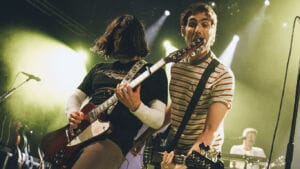
That is evident in Avondale, where Phoenix Raceway has blossomed into an events campus. The venue’s partnership with Relentless Beats’ Decadence Arizona — the country’s largest New Year’s Eve music festival — has raised the West Valley’s profile among touring acts. Moving the event from Rawhide in Chandler to Phoenix Raceway resolved years of weather-related problems.
“We got a lot of precipitation across a 10- to 12-year period — wet lawns and very wet spaces made some of these sites really hard to navigate,” says Relentless Beats founder Thomas Turner.
The all-asphalt construction allows the team to “create bigger and better facilities that create more immersive experiences,” while keeping fans safe.
Decadence has been hosted at Phoenix Raceway since 2022, allowing events to operate until 3 a.m. — timing that is critical for routing top-tier artists across Colorado, Los Angeles and San Diego.
“It was a bigger stature show with bigger production … it ended up being the most appealing play of our portfolio,” Turner says.
Attendance reaches approximately 30,000, though there is room to grow. Turner suggests even larger-scale events may come as his team aligns with NASCAR.
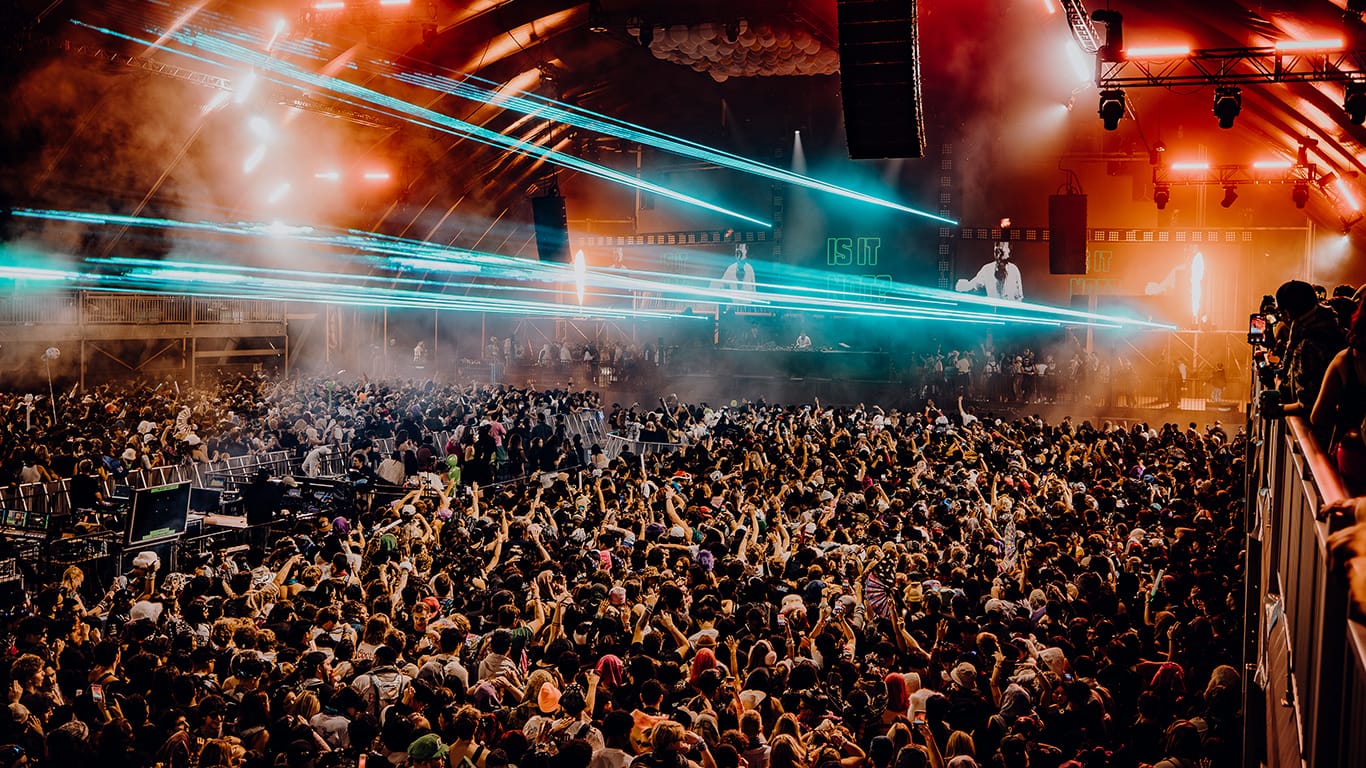
Phoenix Raceway’s partnership with Relentless Beats’ Decadence Arizona — the country’s largest New Year’s Eve music festival — has raised the West Valley’s profile among touring acts. (Photo provided by Relentless Beats)
More than racing
However, the Raceway’s influence extends far beyond festival gates.
“The dining and entertainment scene in Avondale doesn’t look like it did five years ago,” says Cheryl Covert, Avondale’s economic development director.
“Avondale has gone through much more growth in its restaurant and entertainment landscape compared to five years ago,” she says. “As the community evolves, so too does the variety and quality of the dining and entertainment available.”
Park 10 — the lifestyle center at McDowell Road and 107th Avenue — added First Watch, Perry’s Pizzeria, Barrio Queen, Mountainside Fitness and Cooper’s Hawk, with 85°C Bakery, Gen Korean BBQ and Handel’s Ice Cream on the way. The BLVD has added Poca Madre, Paris Banh Mi and a new interactive golf lounge.
“This growth has generated additional discretionary income at the community level,” Covert says, “which encourages increased demand for dining, entertainment and experiential amenities.”
The city conducts a retail survey every two years to determine what residents want and uses the information in recruitment decisions.
“A big focus is diversifying Avondale’s offerings, with a broad array of nationally recognized brands alongside both locally owned and small businesses,” she says.
The city is also focusing on chef-driven restaurants, experiential entertainment and smaller live music and performance venues — the kinds of places that encourage residents to stay in the community.
“Entertainment, events and nightlife are now part and parcel of a dynamic and competitive city identity,” Covert says.
With the proliferation of dining and entertainment in the West Valley, the cultural infrastructure is growing at a much faster rate.
Few people have witnessed that prosperity and expansion as closely as Kathy Knecht, executive director of the West Valley Arts Council.
“It’s progressing in leaps and bounds,” she says. “We’ve seen West Valley cities grow and embrace arts and culture.”
Eventually, she says, cities are understanding what residents have long known: Arts and culture aren’t luxuries — they’re magnets.
“People are looking for communities where there’s arts and culture … and businesses want to locate where there’s a vibrant community life going on,” she says.
Much more to come
The Arts Council is developing Avondale’s library museum, spearheading mural projects in El Mirage and Goodyear, and expanding Creative Aging projects in Peoria, Sun City, Litchfield Park, Glendale, Surprise and Avondale.
One of its boldest initiatives is Make Music Day, a multi-city celebration held every June 21.
“We will have 10 or more different places throughout the West Valley where people come for free to listen to music or make music,” Knecht says.
Another initiative is Culturalyst, a website created to unite the region’s creative ecosystem.
“An artist can continue free of charge and present a portfolio … the idea is, when you say, ‘I’m going to be in the West Valley this weekend, what can I get into?’ Culturalyst pops up.”
Knecht believes the arts flourish through abundance, not competition.
“No one goes to Broadway and says, ‘Oh, there are too many theaters.’ No one goes to Scottsdale and thinks, ‘There’s too much to see.’ More is more,” she says.