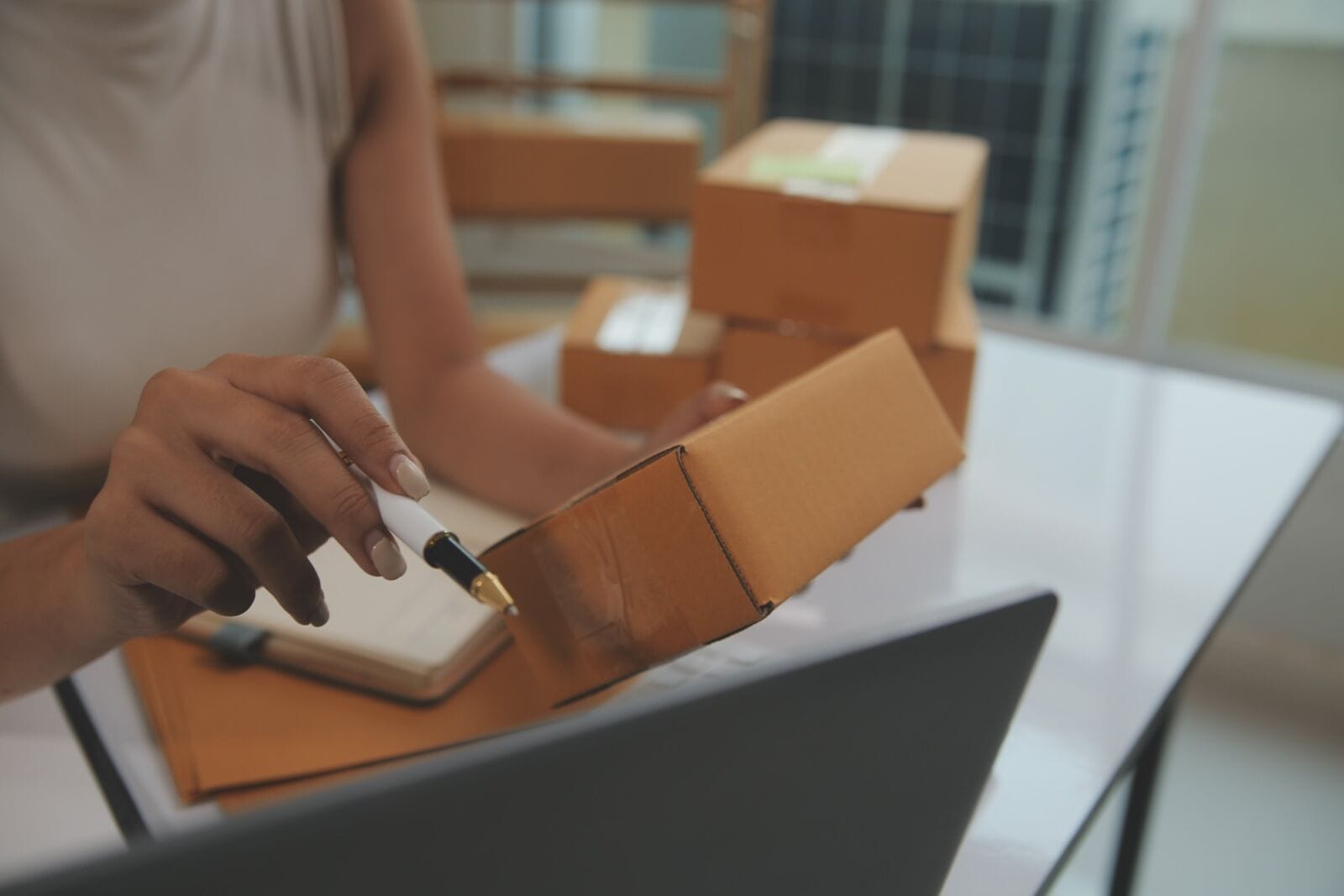
Packaging has come a long way from being a simple box or wrapper. What used to be just a box that held products has now evolved. It tells you whether a product has been exposed to heat, whether it’s authentic, and even connects a customer directly to the brand with a single scan.
Today’s packaging doesn’t just hold a product; it sort of communicates itself. Wonder how?
Read this full blog to understand smart packaging technology and its impact on modern product protection.
What Is Smart Packaging?
Smart packaging is any packaging solution incorporating technology to monitor, protect, or communicate about the product inside the box. There are two main categories: active packaging and intelligent packaging.
- Active Packaging
Active packaging engages directly with the products to increase their shelf life and maintain quality.
- Intelligent Packaging
Intelligent packaging is different; it keeps an eye on things and communicates data through sensors and scannable parts. These parts share information with us.
Regular packaging just exists, while smart packaging technology is a step ahead. It reacts to what’s around it, keeps a record of what happens, and shares that info with brands and people who buy their products.
Smart Packaging And Product Protection
As we discussed earlier, smart packaging exists to protect the product. Condition monitoring sensors can track things like temperature, humidity, and impact or shock. They warn brands if something goes wrong during shipping.
A time-temperature indicator for pharmaceuticals is very helpful; they can check the indicator to see if the products were kept at the right temperature. If something went wrong, the brand can fix the problem.
Old Storage Methods Vs Smart Packaging
Even with the best packaging technology, storage methods still matter. They help keep products safe and working well.
Good storage is important because it keeps products fresh and prevents contamination. These storage methods can even work with things like condition monitoring sensors that help track products. Proper storage is the way to get the most out of products like food and pharmaceuticals.
But do you know what the threat to product longevity is?
- Moisture.
- Light
- Oxygen
We really need storage solutions that will last for a long time.This is where custom mylar bags wholesale come in. They are great because they keep out light, air, and moisture. These bags are important for storing food and other sensitive products. Made of Mylar material, they can keep food and other sensitive products fresh for a long time. These bags create a protection system blocking threats while monitoring the product’s internal condition, if you pair them with oxygen absorbers.
Choosing a proper storage method ensures that what you invest in smart packaging actually pays off. By keeping the product as is from the moment it is made to the moment they are opened.
QR Codes: The Way To Connected Packaging
QR codes are among the simplest yet most impactful tools in smart packaging. One single code can transform a physical package into a digital one. It connects the product directly to a customer’s hand without any complications.
It helps customers in many ways, including:
- Verifying product authenticity.
- Provides usage instructions.
- Clear Sourcing
- Enables instant recorders.
QR codes are really useful for getting customers involved. They can say what their company does and what their company cares about.
Some companies use QR codes to talk about the packaging their company uses. How does it help the environment?
Sometimes brands even use QR codes to give people a deal that nobody else gets. QR codes are a way for brands to share information and connect with customers.
Tracking Systems With Monitoring Technology for Your Business
Modern tracking systems let brands watch their products at every step. Brands can see where their products are at all times with these tracking systems. The end-to-end visibility reduces product loss, theft prevention, and more accurate inventory management.
In case something goes wrong, brands can act immediately. Tracking also builds trust by letting the customer know where their product has been, or its current status, and it builds confidence in the brand, which later turns into loyalty.
For example:
- RFID tags
- NFC chips
- GPS-enabled tracking
All of these technologies allow packages to be monitored from the warehouse to the customer’s doorstep.
Future Innovation Along Data-Driven Technologies
IoT and connected devices help packages talk to each other and share information on their own. These features give brands insights right away. New sustainable materials and eco-friendly sensors are also being developed. These let companies use technology while staying eco-friendly.
With this innovation, brands get information about how people behave and how well their supply chains work. They learn more about their customers and how to improve their business operations. Yes, IoT and connected devices give brands data to make better choices.
Adopt Sustainability Along With Data Privacy And Security
Smart packaging gives products protection by helping stop people from making fake products. The special authentication features help keep products safe and make sure they are not fake. This is what makes smart packaging so useful for products that need to be protected from counterfeiting and fraud. It enhances customers’ trust and brand loyalty. This turns packaging into a strategic asset and not just some overpriced wrapper.
However, data privacy and security must be handled carefully, especially when packaging collects consumers’ personal information.
Brands also must balance the technology adaptation with the sustainability goal.
The Takeaway
No doubt, smart packaging is no longer an upper layer of a product; it now acts as a strategic asset that builds customer trust and protects products. As IoT, sustainable materials, and advanced sensors continue to evolve, packaging will only become smarter and more capable.
For businesses looking to protect their products and stand out in a saturated market, invest in smart packaging solutions and study the impact of smart packaging technologies on product protection to learn something new.