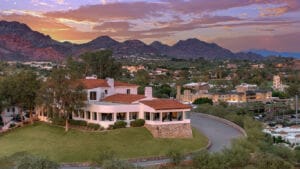
Arizona provides some remarkable event settings, from desert landscapes and mountain views to patios, resorts, and dramatic sunsets. Because the scenery can already make a strong visual impression, it is tempting to focus heavily on flowers, tablescapes, signage, and other decorative details. Yet guests often remember a different set of things like whether they were comfortable, whether they knew where to go, whether the schedule made sense, and whether the event flowed naturally. The most effective Arizona events combine beauty with practical planning that respects the climate and the people attending.
Plan the Final Ten Minutes as Carefully as the First Ten
Hosts usually spend a great deal of time thinking about entrances, but exits deserve similar attention. At a wedding, for example, wedding sparklers can give the celebration a clear closing moment. Planning where people will stand, how the couple will move through the area, and when the send-off will happen makes the finale feel organized rather than improvised. The same principle applies to any event ending, whether it involves a final toast, transportation pickup, or last group photograph.
A smooth departure also matters because guests are often tired by that point. Clear directions to parking, rideshare pickup areas, shuttles, or hotel transportation can leave a surprisingly strong final impression. People may forget exactly which flowers were on the tables, but they remember wandering around a dark property looking for their car. Good event design continues until the last guest leaves.
Outdoor Reveals Need Their Own Logistics Plan
Arizona’s wide-open scenery makes outdoor visual moments especially appealing, but they should be planned around the actual setting. Families using gender reveal smoke bombs need to consider open space, wind, local rules, environmental conditions, and where guests will stand. A reveal should fit comfortably into the larger event rather than being added at the last minute. Clear placement also helps photographers capture the moment without people blocking one another.
Fire risk and venue policies deserve particular attention in dry climates. Outdoor products should always be used according to instructions and within applicable restrictions, especially when conditions are hot or windy. A responsible plan protects both the environment and the experience. The goal is a memorable visual moment, not one that creates unnecessary complications.
Shade Is Part of the Event Design
Arizona hosts learn quickly that shade is not merely a comfort feature. It can determine whether guests actually use an outdoor area at all. A beautifully styled patio may remain empty if everyone is crowded under the only covered section of the venue. Event layouts should therefore begin with shade patterns, structures, umbrellas, and the position of the sun before decorative details are added.
The timing of the event can make an enormous difference as well. A ceremony positioned for late-afternoon light may be far more comfortable than the same ceremony several hours earlier. Hosts should consider where sunlight will fall on seating, food tables, and gathering areas at the actual event time. A venue walk-through at the same time of day can reveal issues that are easy to miss during a morning planning appointment.
Water Should Be Obvious and Constantly Available
At warm-weather events, hydration should not depend on guests finding a server. Water stations can be positioned near entrances, outdoor seating, activity areas, and other places where people naturally gather. This does not need to look utilitarian. Attractive dispensers, chilled bottles, infused water, or coordinated beverage stations can fit the overall design while remaining highly functional.
It is also wise to provide water before guests realize they are thirsty. Ceremonies, photographs, cocktail periods, and outdoor activities can keep people standing for longer than expected. Older guests and children may be particularly affected by heat. Making water easy to access is one of those simple planning choices that communicates care without requiring anyone to mention it.
Walking Surfaces Matter More Than People Expect
Arizona venues often use gravel, desert landscaping, stone pathways, lawns, and other textured surfaces to complement the surroundings. These can look beautiful while posing challenges for heels, wheelchairs, strollers, canes, or guests with limited mobility. A venue may technically be accessible while still requiring guests to navigate uncomfortable stretches of uneven ground. Walking the actual guest route before the event can reveal where adjustments are needed.
Signage and lighting can help, but the route itself should be practical and walkable whenever possible. Temporary walkways, alternate entrances, reserved drop-off areas, or strategically placed seating may make the venue easier to use. Hosts sometimes spend significant money decorating spaces guests barely notice while overlooking the path everyone must walk. Practical comfort is part of good hospitality.