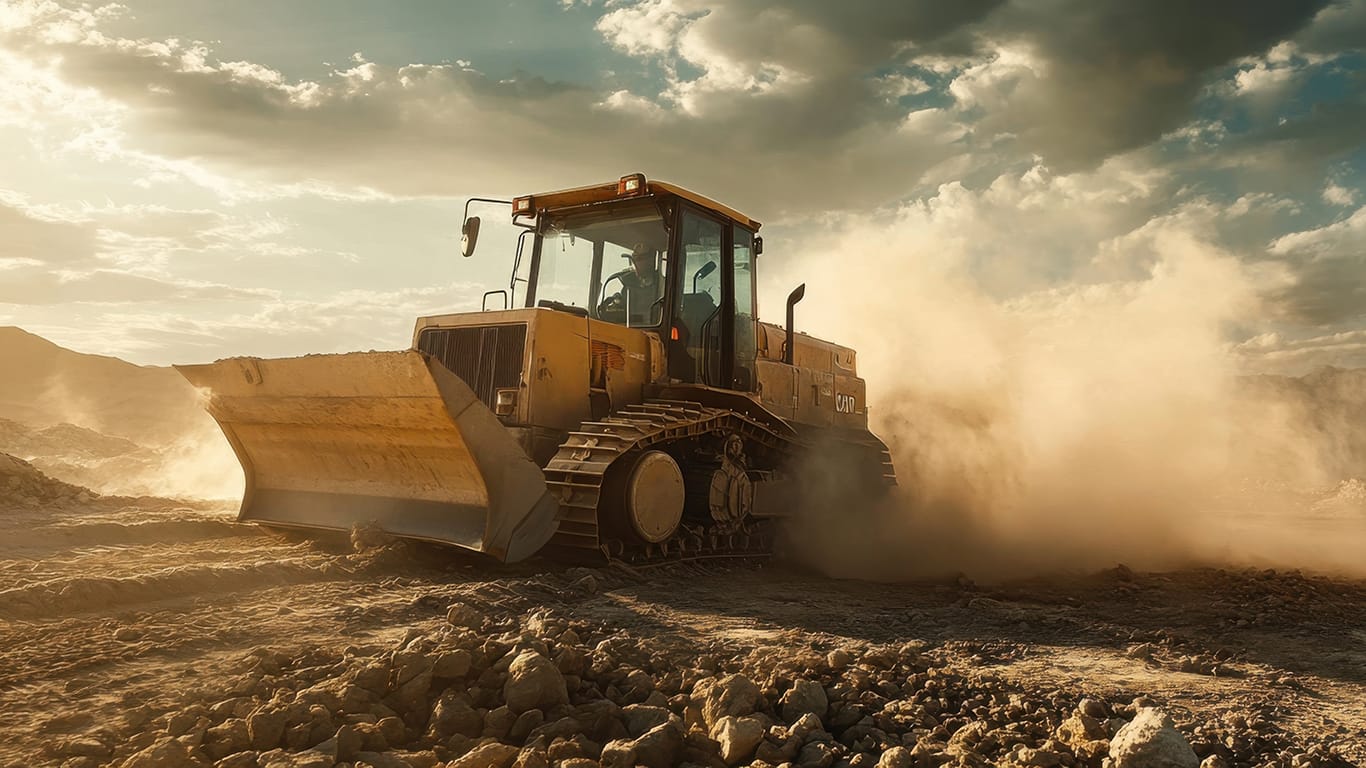
Keeping heavy machinery running depends on a steady flow of fuel. Without it, the entire job site grinds to a halt. Project managers often focus on the machines themselves, but the energy source is just as critical. A break in the supply chain creates a ripple effect of delays. Smooth operations require a plan that accounts for every drop of fuel needed for the day. Consistency is the secret to meeting deadlines and staying under budget.
Fuel As The Primary Power Source
Heavy equipment represents a massive investment for any construction or mining firm. These machines do the difficult work that human labor cannot handle alone. Maintaining their power levels is the only way to get a return on that investment.
A machine that sits without fuel is a liability rather than an asset. It takes up space and blocks progress for other teams. Managers must prioritize a steady supply to avoid these bottlenecks.
The Hidden Costs Of Machine Idling
Machines often sit running even when they are not moving. One industry group found that wheel loaders might idle up to 44% of the time they are active. This means a significant portion of fuel vanishes without doing any actual work.
Since 15-20% of burned fuel happens while a machine is doing nothing, the waste adds up fast. This behavior burns through cash and puts unnecessary wear on the engine. Reducing these idle times saves money for other parts of the project.
Educating operators about turning off engines can make a big difference. A basic understanding of how a diesel engine works can also help operators see why unnecessary idling wastes fuel, increases engine wear, and adds avoidable costs over time. Small changes in habit lead to large savings over the course of a year. It is a simple way to stretch the budget further.
Strategies To Reduce Waste
Monitoring equipment usage helps identify which machines stay on too long. You can implement several steps to lower these costs:
- Set strict rules for shutting down during breaks.
- Use software to track engine run times.
- Train staff on the financial impact of wasted fuel.
- Reward teams that meet efficiency goals.
Avoiding Financial Impacts From Downtime
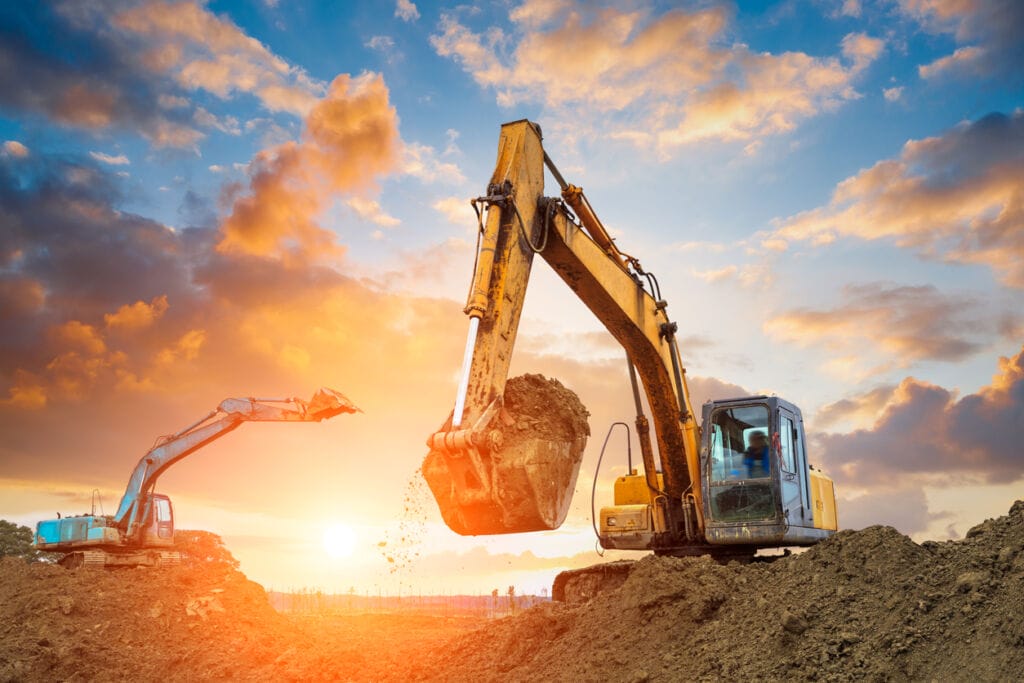
Empty tanks lead to expensive pauses in production. Data suggests that heavy equipment operations often lose 23 hours a month to downtime. These delays can cost hundreds of thousands of pounds every single hour.
Every minute a bulldozer sits still is a minute of lost profit. Crew members still need their wages even if they cannot work. These overhead costs do not stop just because the machines have run dry.
Keeping a schedule for refueling prevents these sudden stops. It allows the team to plan their day around the fuel truck. This proactive approach protects the bottom line from unexpected hits.
Navigating A Growing Construction Market
The market for heavy-duty equipment is expanding rapidly across the globe. Researchers expect the sector to grow steadily through 2033 as infrastructure needs rise. Larger fleets require more complex fuel logistics to stay operational.
As more companies enter the field, competition for resources increases. Having a solid fuel plan provides a competitive edge. It allows a firm to take on bigger projects with more confidence.
Growth brings new challenges for logistics and storage. Companies must scale their fuel access alongside their machine count. This scaling helps prevent growing pains during busy seasons.
Logistics Planning For Daily Needs
Managing a job site involves many moving parts. Your team needs a consistent diesel delivery to keep the excavators and dozers moving. This prevents operators from sitting idle while waiting for a refill truck to arrive.
Coordination between the supplier and the site foreman is a top priority. When the schedule is tight, there is no room for error. A missed drop-off can ruin a week of carefully planned milestones.
Benefits Of Scheduled Drops
Planning takes the guesswork out of the workday. It provides several advantages for the whole crew:
- Predictable fuel costs for better budgeting.
- Less time spent coordinating emergency refills.
- Improved safety by reducing last-minute rushing.
- Steady progress toward the final project goal.
Reliable logistics mean the site never has to slow down. The flow of fuel matches the pace of the work being done. This harmony is what separates successful projects from those that fall behind.
Modern Standards For Carbon Reduction
Modern projects must consider their carbon footprint alongside their profit margins. Information from a leading university shows that industrial machinery contributes about 8% of global CO2 emissions. Better fuel economy in these sectors has improved significantly over the last two decades.
Reducing fuel waste is a win for both the wallet and the planet. Efficiency standards are becoming stricter in many regions. Following these rules helps a company maintain a good reputation with the public.
Using cleaner fuels or newer machines can lower total emissions. These choices show a commitment to sustainable building practices. It is becoming a standard part of doing business in the modern age.
Investing in Large-Scale Fleet Success
Construction companies hold the largest share of the heavy machinery market today. Industry analysis estimated the total value of this sector at over $184 billion recently. Managing such a massive investment requires 24/7 access to power.
Large fleets need centralized control over their fuel consumption. Without a system in place, it is easy to lose track of where the money is going. Centralization helps identify which regions or projects are the most efficient.
Investing in a reliable fuel partner is as important as buying the machines. The two go hand in hand to create a functional business model. A strong partnership keeps the fleet moving toward success.
Comparing Maintenance And Fuel Budgets
Fuel often takes up a bigger slice of the budget than regular machine repairs. A market report observed that construction firms spend more on diesel than on keeping their equipment serviced. Tracking these expenses helps managers find where they can save money.
Since fuel is a recurring cost, even small price changes have a big impact. Managing the supply chain is the best way to control these fluctuations. It allows for more accurate bidding on future contracts.
Service costs are important – but fuel is the daily expense that never goes away. Balancing these two categories is the key to a healthy financial outlook. Smart managers look at both sides of the coin.
Consistent power is the foundation of every successful heavy equipment operation. It keeps the machines moving, the workers busy, and the project on track. By prioritizing fuel access, you protect your investment and the future of your company. Success is built on the steady hum of a well-fed engine.