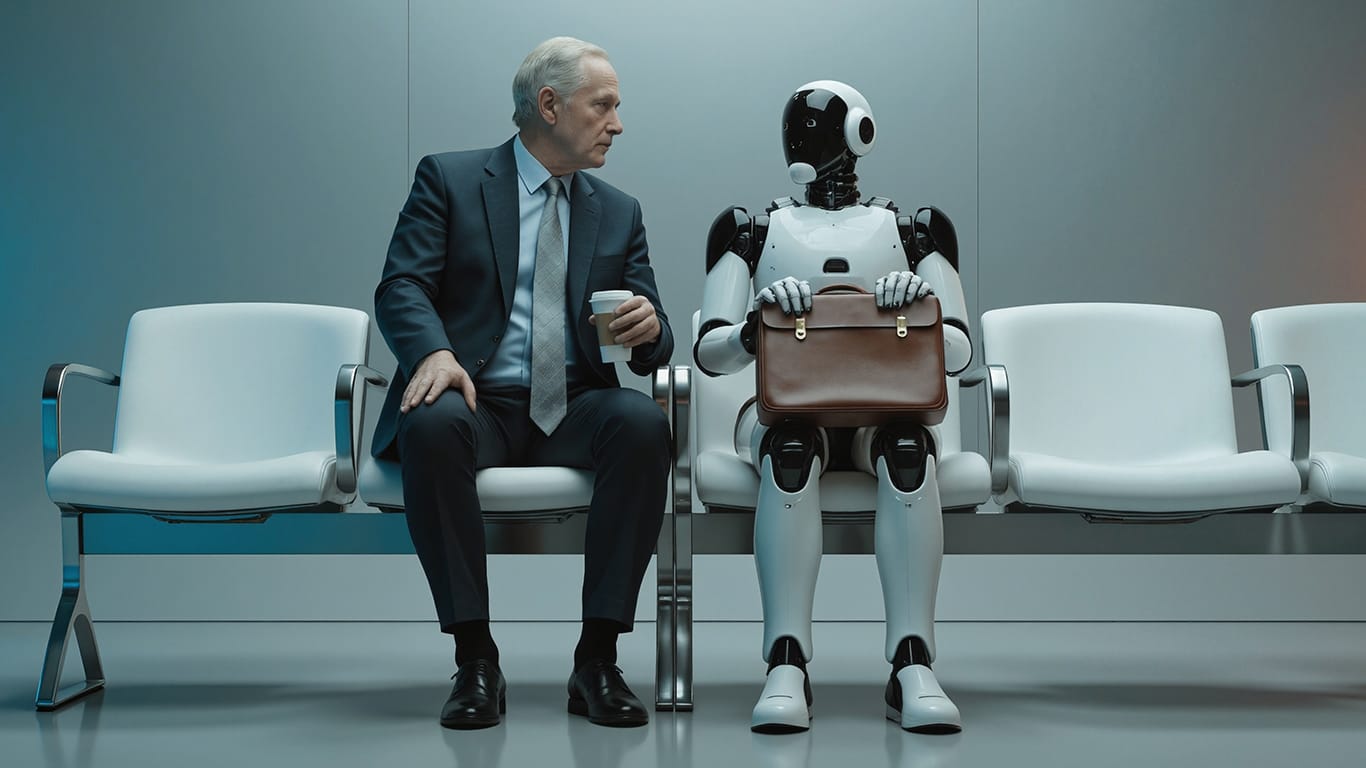
In a few clicks, I can make a video of myself speaking a foreign language or sounding like a scientist. AI can write my scripts, fix my lighting, and even smooth out the wrinkles in my shirt.
But there’s one thing AI can’t do: It can’t make people trust you.
I see it happening with our business and political leaders. Some are turning into robots, reading scripts generated by a prompt. Their eyes track words on a teleprompter too deliberately. Their tone is flat. They’re physically there, but they aren’t present. Humans are starting to see through the wires. We’re getting better at detecting ‘fake’ from a galaxy far, far away.
DEEPER DIVE: Read all the Ranking Arizona Top 10 lists here
INDUSTRY INSIGHTS: Want more news like this? Get our free newsletter here
I spent years as a TV reporter and won three Emmys for it. I interviewed thousands of people from Fortune 500 CEOs to celebrities. The stories I remember weren’t the ‘perfect’ people. They were the real ones.
Because AI is so good at faking things, ‘authenticity’ isn’t just a buzzword anymore. It’s a survival skill. I tell my wife when she’s scrolling through Instagram that if the video of the rebellious man screaming from the building steps were actually real, the news would be there or request an interview later. Packs of lions don’t roam downtown Detroit, and alligators aren’t leaping out of Florida waterways to eat anything walking by.
AI is seductive. I’ve pushed it to its limits myself. It thrills us, but it often backfires. Sometimes the language doesn’t resonate. Sometimes the animated image just makes people shake their heads. AI has embarrassed me, too. I’ve used teleprompters for social posts and buried them under flashy footage. But I’m always most persuasive when I speak top-of-mind, without the visuals.
I remember the days before AI, when CEOs would ask assistants to tape notes to the side of my camera lens, a DIY teleprompter. They always looked robotic. They only sounded authentic when we persuaded them to drop the notes and just talk. It’s amazing how little confidence we have in our human selves.
If you sound like a bot, people tune out. They assume you’re hiding something. If your YouTube ad features a ‘human’ birthed from the loins of an algorithm, what does that say about your genuine success? It’s not just the cynics saying this. I often hear college students and 20-somethings deliver a verbal backlash against brands selling their souls to an artificial world.
We get the pressure. One employee at a major Arizona firm told us his leadership ordered everyone to use AI for everything. It actually cost him more time, but saying that out loud makes you sound out of touch, right?
True leaders and public servants need to rewire. You might be a student building a brand or an executive terrified of a board meeting. The problem is the same: a lack of confidence to just be human. You have to learn, or re-learn, how to own the room or the lens.
Being ‘unfakeable’ takes work. But stop trying to be perfect. Humans are messy. If you stumble on a word or talk with your hands, keep it. That’s how we know you’re real. Use the tech to practice, but when it’s for real, turn it off and just talk to the person on the other side.
In Arizona, our primaries are coming up. Candidates will spend thousands on fancy stuff. But when they get on camera, will they be cardboard? Will they look like they’re reading a grocery list?
If you want to lead in 2026, you have to be the person AI can’t replicate. It’s not about being the loudest. It’s about being the most real.
I don’t know if robots are coming for our jobs. Just don’t let them take our voices.
Author: Keith Yaskin is president of The Flip Side Communications LLC, a Scottsdale media company that helps companies tell their stories through public relations, video production, and on-camera training for influencers.