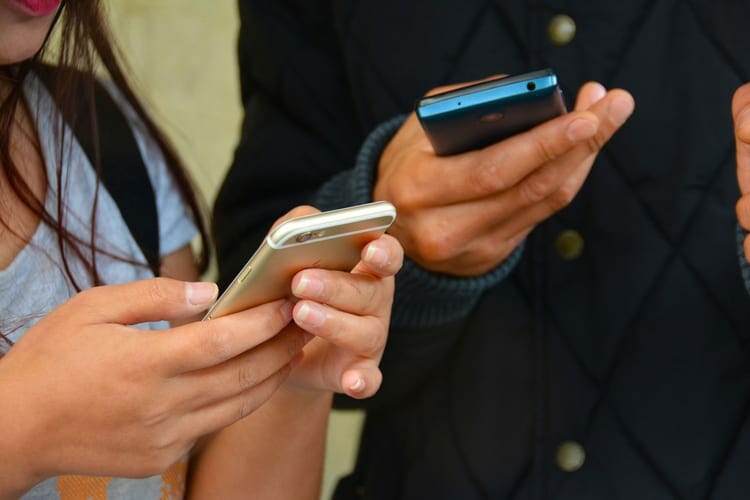
Smartphones have become the main way most people get online and use digital services. But as new technologies are added, both device prices and monthly phone service costs keep climbing, making it harder for many families to afford them.
To help with rising costs, public programs are available to keep communication services within reach for people who need them. The federal Lifeline program has been one of the most important of these efforts for years.
Free Government Phone Program Today
Programs like Lifeline in the United States complement efforts to help low-income consumers obtain the devices and connectivity they need.
The Lifeline program has evolved significantly since its inception in 1985. Originally designed to make basic telephone service more affordable for low-income households, the program aimed to ensure that all Americans could stay connected to basic services such as emergency assistance, family members, and job opportunities.
Lifeline provides a monthly discount on qualifying phone, internet, or bundled services from participating providers. Eligible households can receive $9.25 per month, while residents on Tribal lands may get $34.25 per month to help cover service costs.
Under rules adopted by the Federal Communications Commission (FCC), Lifeline providers that distribute devices must offer Wi-Fi–enabled smartphones.
Devices supplied through the program were required to support Wi-Fi connectivity and mobile hotspot functionality, reflecting the growing need for a reliable internet connection at home and on the go.
Today’s Lifeline plans, offered by many participating providers, typically include discounted or free smartphones, reflecting how digital communication has become central to daily life.
Free Phone Plans You May Receive in 2026 through the Government Program
Eligible U.S consumers approved for the Lifeline program may receive free or heavily discounted phone plans through participating wireless providers. These plans are designed to help low-income households maintain a connection.
Under the program, users first qualify through income guidelines or participation in government assistance programs. After approval, they can choose a participating phone or internet provider and sign up for service. Once enrollment is completed, the Lifeline discount is applied, and the customer begins receiving service.
While benefits can vary by state and provider, approved customers may receive free mobile data, free talk and text messaging, a free SIM card, Wi-Fi calling support, standard phone features such as caller ID, voicemail, call waiting, and 3-way calling, and emergency calling access (911).
In addition to free service plans, many Lifeline providers offer free cell phone no deposit no activation fee, or allow customers to bring their own device. The phones available through Lifeline providers typically support the features needed for everyday connectivity, including internet browsing, mobile apps for banking, education, and work, video calling and online meetings, messaging and social communication, and mobile hotspot and Wi-Fi connectivity. These features make free government smartphones powerful tools for job searches and online learning.
DEEPER DIVE: Read all the Ranking Arizona Top 10 lists here
INDUSTRY INSIGHTS: Want more news like this? Get our free newsletter here
Increasing Importance of the Program Today
Smartphones allow users to browse the internet for information and services, make digital purchases, use mobile apps for education, banking, and working, make video calls, and send multimedia messages to stay connected.
Despite the importance of smartphones, their price can be a barrier. In many parts of the world, millions of people live within mobile broadband coverage but remain offline simply because internet-enabled devices are too expensive.
According to Counterpoint Research, the average selling price of smartphones exceeded $400 for the first time in the fourth quarter of 2025. During the same period, global smartphone shipments increased by 4% year-over-year, while total smartphone revenue reached $135 billion.
Phone and internet access have become basic necessities for most individuals. Staying connected is now part of daily life, but for many households, paying for reliable phone and internet service is still a real challenge.
Bridging the Connectivity Gap
The Lifeline program plays an important role in helping qualified low-income consumers maintain a connection. For approved users, it can provide free or heavily discounted phone service, often bundled with valuable features that support everyday communication.
Another key benefit of the program is access to free or discounted smartphones (sometimes called Obama phones in popular slang, though the program itself predates the Obama administration) offered by participating carriers, giving users a way to get online and make video calls without breaking the bank.
Overall, a free phone bundled with a free monthly service provides more than just communication. It can help individuals stay informed. For seniors, students, and working families alike, maintaining a stable connection has become an important part of daily life.
Application Process for Free Phones with Monthly Service
Consumers interested in receiving a free phone and monthly service through the Lifeline program must first determine whether they meet the eligibility requirements. There are several ways individuals or households may qualify for Lifeline support:
Applicants may qualify if their household income is at or below 135% of the Federal Poverty Guidelines.
Consumers may also qualify if they or someone in their household participates in certain government assistance programs, including:
- Supplemental Nutrition Assistance Program
- Medicaid
- Supplemental Security Income
- Federal Public Housing Assistance
- Veterans Pension and Survivors Benefit
- Residents living on Tribal lands may qualify through additional assistance programs.
After confirming eligibility, consumers can apply directly through participating providers such as TAG Mobile, which offers Lifeline-supported phone plans in many parts of the United States.
Applicants begin by visiting the TAG Mobile website and starting the Lifeline application process. Based on the address provided, the system displays the Lifeline plans available in the applicant’s state or region. Customers can choose from free or discounted device options and then submit basic personal details and answer eligibility questions. If the application is approved, TAG Mobile will send a confirmation and the package shall arrive in the span of 7-10 standard days.
The Essential Role of Communication Access
Through initiatives such as the Lifeline program, low-income households can receive support to reduce the cost of a connection. With digital access now critical for work, school, and daily life, Lifeline is keeping millions of Americans online.
The program is available in every U.S. state, commonwealth, territory, and on Tribal lands. The benefit is limited to one discount per household, and it can be applied to either wireline or wireless service.