
The Foreign Exchange (Forex) landscape experienced a major change during the global pandemic. With too much time available and no steady income, many turned to forex trading to make ends meet.
Today, the question is no longer “What is Forex trading?’ but “Who is the best forex broker?”
The relationship between a market participant and their broker is the most telling factor that determines their ability to be profitable long-term. While relatively new traders focus on outrageous leverage or ridiculously low participation criteria, market veterans understand that reliable execution structure and integrity are by far the most vital attributes.
It requires a thorough investigation of the workings of a firm’s operations rather than marketing antics to choose the best partner in this space. Curious minds seeking a comprehensive breakdown of leading firms and their key offerings will benefit immensely from a detailed analysis of the major features listed in this guide. Explore the top four critical features that define a reliable brokerage with special focus on their costs, execution, advanced tools, and regulatory infrastructure.
LEARN MORE: The 15 best public and private high schools in Metro Phoenix
FOOD NEWS: 25 places for great patio dining in Arizona
1. Regulatory Oversight and Client Capital Protection
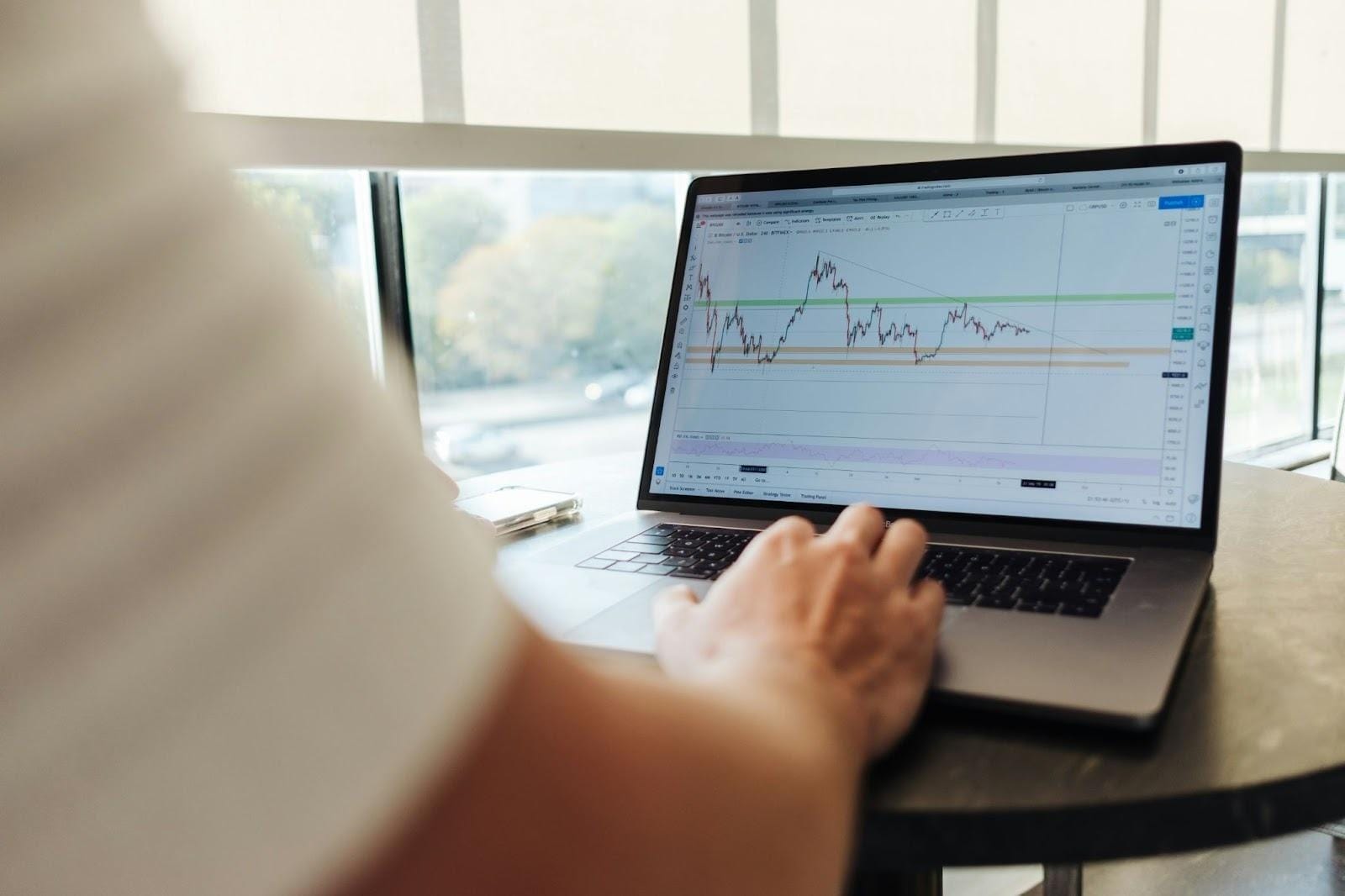
A forex broker you can work with for a long time must be reliable. In this industry, reliability depends on the legal framework under which the broker operates. Regulation is crucial. It keeps the broker accountable, discourages malpractice, and causes them to operate under strict rules for the protection of the trader’s capital.
- Tier-1 Jurisdiction: Brokers derive authority from top-level regulators, such as the Financial Conduct Authority (FCA) in the UK, the Australian Securities and Investments Commission (ASIC), or the National Futures Association (NFA) in the United States. Banking with a broker under any of these jurisdictions is a major indicator of their willingness to abide by ethical and safe practices. These bodies require brokers to maintain significant capital reserves and undergo third-party audits regularly.
- Segregated Client Capital: Broker must verify that client capital is held in Tier-1 banks, completely separate from their own operational accounts. This ensures that the trader’s capital will remain untouched and returnable if the broker goes bankrupt.
- Negative Balance Protection: Regulation ensures that brokers guarantee that a client’s losses cannot exceed their initial deposit. This safety measure prevents a trader from falling into legal debt to the forex broker.
2. Non-Dealing Desk (NDD) Execution Models over Market Maker Setups
The broker’s execution model may determine whether a strategy succeeds or fails. It shows why professional traders prioritize brokers that utilize a Non-Dealing Desk (NDD) approach instead of traditional market maker setups.
- STP (Straight Through Processing): In this model, the broker does not take the opposite side of the trade but only serves as a middleman. Orders are routed directly to a collection of banks and prime brokers, resulting in faster order executions. Professional scalpers prefer this model.
- ECN (Electronic Communication Network): ECN brokers provide a virtual marketplace where retail traders’ orders are processed alongside major players like hedge funds and financial institutions. It is the standard for high-volume traders.
- Market Depth: This model’s transparency enables traders to see the volume at various price levels, helping them manage slippage on large positions effectively.
3. Cost Structure and Pricing Transparency
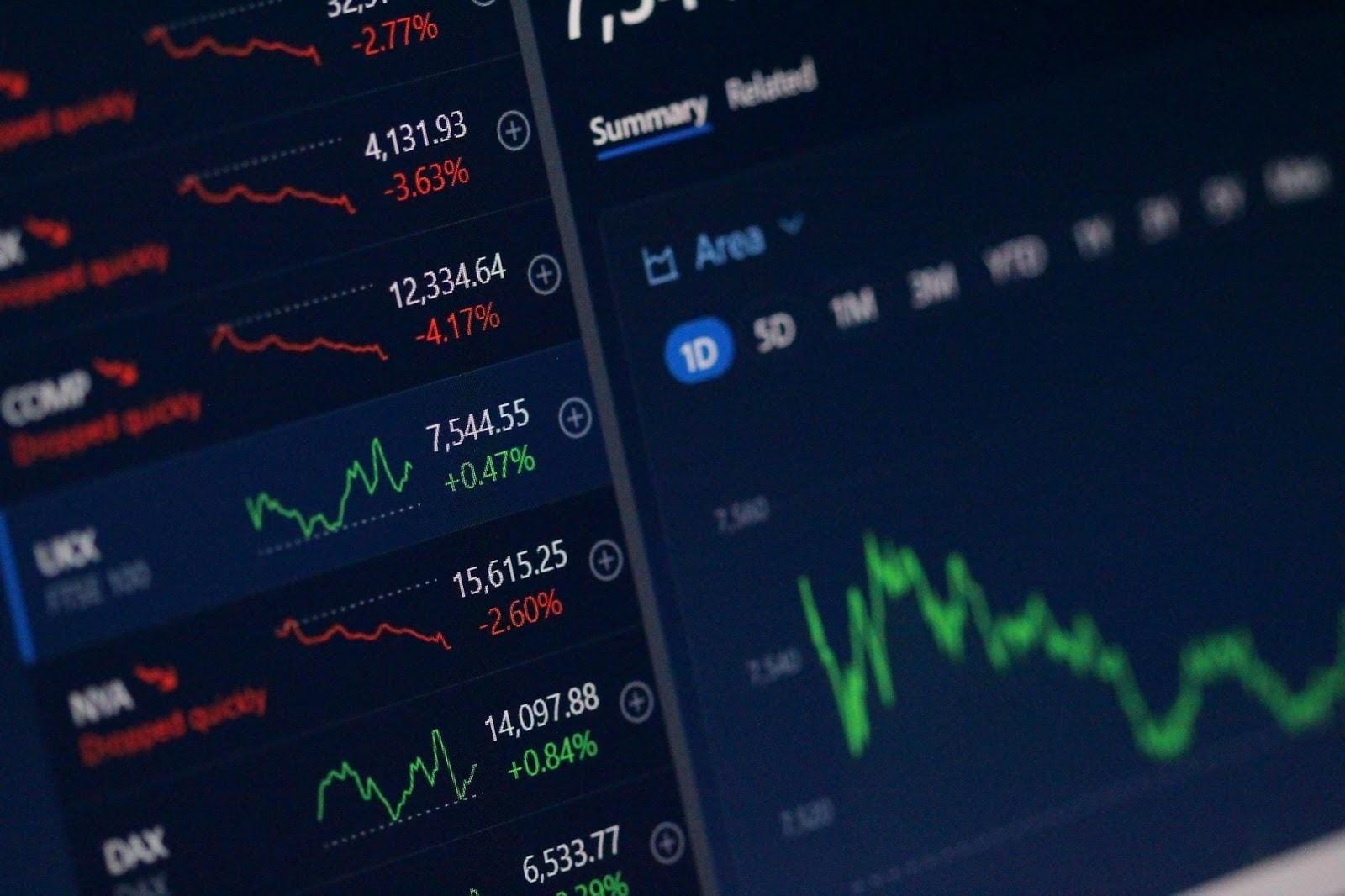
The forex trading space is overwhelmed by too many “too good to be true” offerings, like zero commissions on orders. Traders must be cautious of these warning signs, noting that brokers must get compensation one way or another. So, if they are not charging a commission, they are probably widening the spreads in a way that is more expensive than a flat commission.
- Raw Spreads: Top-grade brokers offer raw market spreads as low as 0.0 pips on major pairs, especially during peak London or New York sessions.
- Fixed vs. Variable Spreads: While fixed spreads are ideal for predictability, variable spreads are perfect for flexibility. Preads can be tighter during high liquidity and wider during “red folder” news events.
- Slippage and Requotes: A broker’s underlying technology is likely sufficient for serious trading if it consistently fills orders at the requested price, rarely produces requotes, and provides fill rate data.
4. Technical Network and High-Grade Connectivity
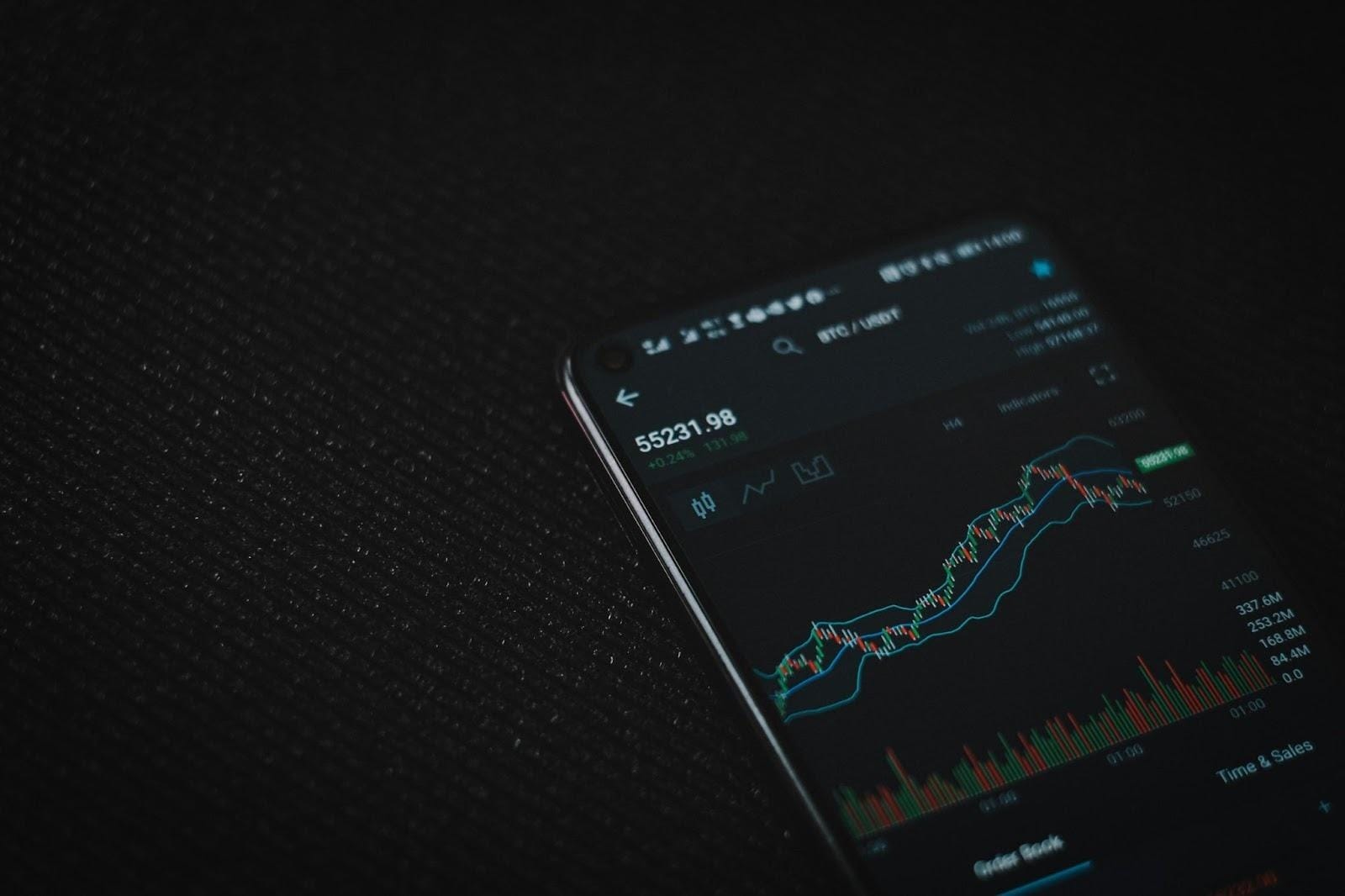
Every millisecond is crucial in modern forex trading. The physical location of a broker’s servers and their fiber optic connection to liquidity providers can directly affect trading outcomes.
- Equinix Data Centers: Most top-tier brokerage firms station their servers in Equinix LD4 (London) or NY4 (New York) data centers. Intentionally moving close to a liquidity provider can help reduce latency to below millisecond levels.
- VPS Hosting Integration: EA (Expert Advisor) traders need available and reliable Virtual Private Servers (VPS). This allows the platform to run 24/7 without interference from the user’s local internet quality or power supply.
- API Connectivity: Expert-grade brokers offer FIX API (Financial Information eXchange) access, which allows advanced traders to directly connect their custom-built algorithms to their price feed.
Takeaway
Searching for the best forex broker is not the same as searching for the lowest prices during online shopping. You want the highest value in funding security and execution efficiency. When a broker functions under Tier-1 regulation, adopts an ECN/STP model, maintains transparent pricing, and prioritizes mid-level connectivity protocols, they provide the stress-free foundation traders need to focus only on the charts.
The modern forex industry has a reputation for having a low entry barrier and high failure cost. For that reason, performing due diligence before depositing your money into a brokerage is key to survival. When you focus on these four main factors, you ensure that a professional entity manages your capital. It is time every trader prioritizes institutional integrity over marketing antics to position themselves for sustainable growth in the global financial markets.