
Quick Answer
A vehicle fire suppression system responds to engine bay ignition automatically, using heat detection to trigger a discharge that cools surfaces and smothers flame at the source. Enclosed engine compartments trap heat, fuel, and electrical faults together, so seconds matter. Automatic knockdown protects the operator, limits damage to hydraulic and electrical components, and keeps a commercial vehicle earning rather than sitting idle in a repair bay.
Introduction
An engine bay fire on a working vehicle moves faster than most operators expect. Fuel lines, hydraulic fluid, and electrical faults sit centimetres apart inside a hot, enclosed compartment, and a single ignition point can escalate before a driver reaches an extinguisher. For fleet operators across Alberta, that risk translates directly into lost assets, injured staff, and stalled schedules.
The engineering behind that protection has matured considerably. High-pressure water-mist technology, the approach behind the fire suppression system distributed by Tagon, cools a compartment rapidly while displacing oxygen, and it does so without the abrasive powder residue that damages sensitive components. That combination of fast knockdown and active reflash control is what separates a survivable incident from a total loss.
Reading the Risk Inside a Commercial Engine Bay
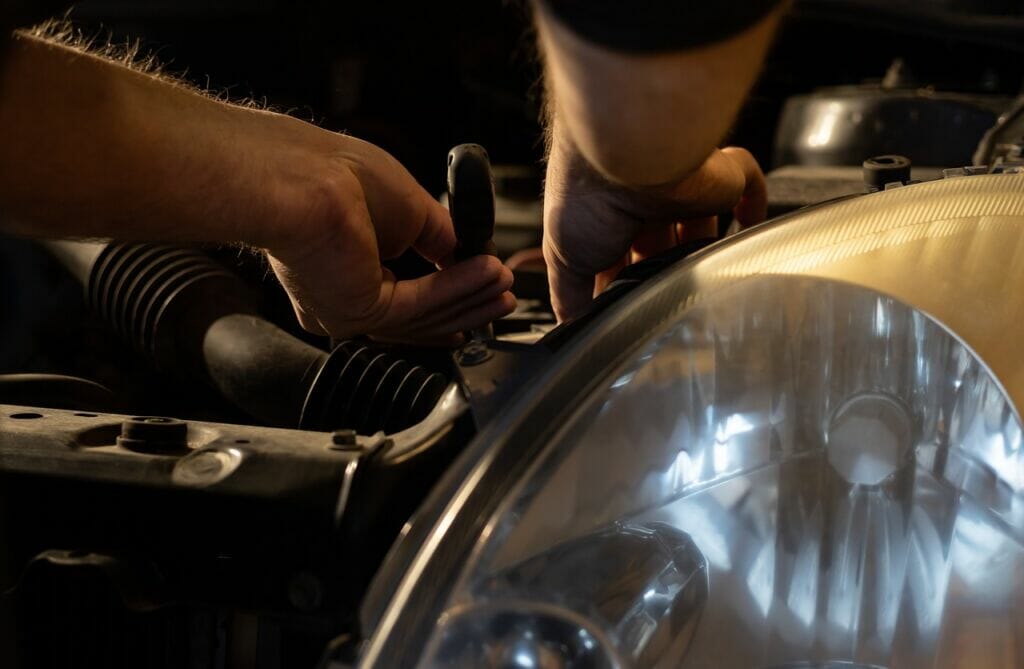
A commercial engine compartment concentrates risk. Fuel, pressurized hydraulic lines, and high-current wiring share a hot, sealed space, which is exactly the environment where a small fault becomes a fast fire. Automatic detection matters because a driver cannot see into that compartment while the vehicle is moving.
Where Ignition Starts
Most engine bay fires trace back to a short list of failure points. Turbochargers and exhaust manifolds run hot enough to ignite leaking fluid on contact.
- Hydraulic or fuel line leaks spraying onto hot exhaust surfaces
- Electrical shorts in aging wiring looms and connectors
- Overheated turbochargers holding surface temperatures above ignition thresholds
How Automatic Detection Responds
A sensing line runs through the compartment and reacts to heat directly. The result is a discharge triggered within seconds, well before a person could intervene. High-pressure water mist then cools surfaces rapidly while displacing oxygen at the flame, which halts combustion and lowers the compartment temperature at the same time.
That dual action is why mist-based vehicle fire suppression protects hydraulic and electrical parts that dry powder would coat with abrasive residue.
Pro Tip: Position sensing tubing nearest the hottest surfaces, the turbocharger and manifold, since that is where ignition and reflash are most likely to begin.
Building Engine Fire Protection Into Every Platform
Detection is only half the system. Placement, agent choice, and hold time decide whether a discharge actually stops the blaze or merely delays it. Sound engine fire protection begins with matching the extinguishing method to an enclosed compartment.
Choosing the Suppression Agent
Agent selection drives everything downstream, from residue to reflash behaviour. The table below sets the two common approaches side by side.
Extinguishing options compared across the factors that matter inside a sealed engine bay:
| Factor | Dry Chemical Powder | High-Pressure Water Mist |
| Cooling effect | Limited | Rapid, cools surfaces fast |
| Residue on components | Abrasive, corrosive | Minimal, non-corrosive |
| Reflash control | Weak once settled | Active, sustained cooling |
| Sensitive electronics | High damage risk | Protective |
Water mist holds a clear advantage where hydraulic and electrical parts sit close together, which describes nearly every commercial platform.
Placing Nozzles and Sensing Lines
Coverage depends on aiming discharge at the likeliest ignition points rather than the compartment as a whole.
- Direct nozzles toward the turbocharger, manifold, and fuel rail
- Route sensing tubing along the hottest surfaces
- Avoid dead zones where airflow could carry flame around a nozzle
The result is even coverage that reaches heat sources directly. Thermal soak is the reason hold time matters, a point competing guidance often skips entirely.
Keeping Fleet Safety Systems Service-Ready
A suppression setup is only as good as its last inspection. Pressure bleeds off slowly, sensing lines age, and a vehicle that vibrates for thousands of hours will loosen fittings over time. Well-run fleet safety systems depend on scheduled service, not chance.
Inspection and Recharge Intervals
Readiness comes from a repeatable cycle carried out at set intervals rather than after an incident. Manufacturer schedules typically govern the timing.
- Verify cylinder pressure against the rated gauge range
- Inspect nozzles and sensing tubing for damage or blockage
- Confirm mounting brackets and fittings remain tight after vibration
- Renew the extinguishing fluid on the defined service cycle
Compliance and Documentation
Regulated fleets carry a paper trail proving each unit was tested and signed off. In practice, that record protects the operator during audits and insurance review, and it flags a failing component before it matters. Certification standards such as FM approval and DOT compliance give a verifiable benchmark, so testing is measured against a named requirement rather than habit.
A vehicle pulled from service for a preventable fire costs far more than the inspection that would have caught the fault. Regular testing turns protection from a hopeful fixture into a dependable safeguard across the whole service life.
What Reliable Engine Protection Comes Down To
Engine bay fires start fast and escalate faster, so detection speed, correct nozzle placement, and disciplined inspection decide the outcome long before flame appears. High-pressure water mist cools and controls reflash where powder cannot, and a documented service cycle keeps every unit ready. Chosen and maintained with care, a fire suppression system turns a potential total loss into a contained, survivable event.