Quick Answer
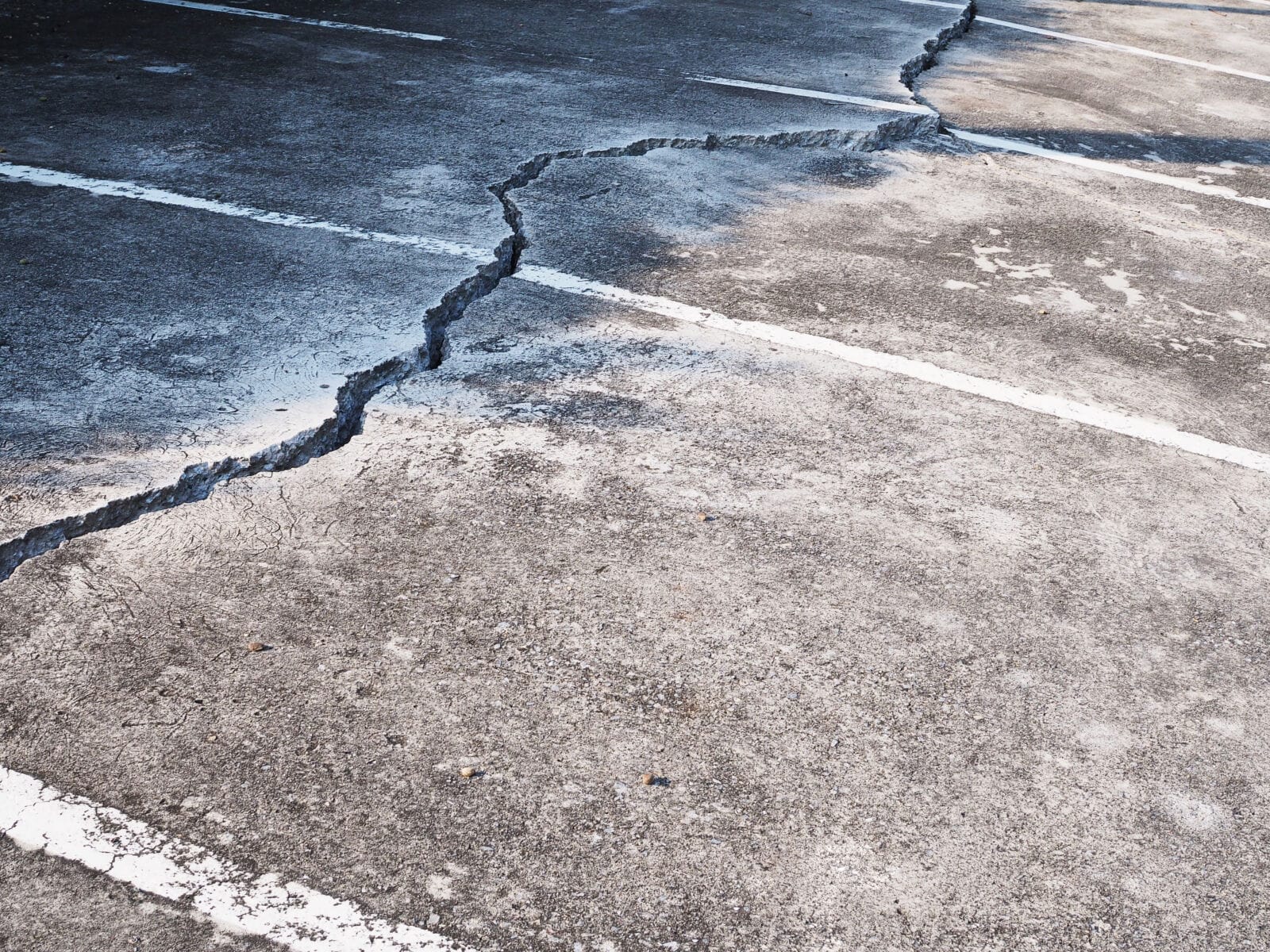
Heavy vehicles damage parking lots faster than cars because their weight isn’t spread evenly across the surface. A loaded truck can strain pavement thousands of times more than a car per trip. That force presses down on the asphalt and the layers beneath it, causing rutting, cracking, and sinking. The harm builds quickest where trucks turn, brake, idle, or park, since those spots absorb the same stress over and over.
Introduction
That delivery truck rolling across your lot each morning looks harmless enough beside the rows of parked cars. Yet it may be doing more damage to your pavement than every car that visits all week combined.
Weight is the reason. A heavy truck pushes down on asphalt with force a passenger car never comes close to matching, and pavement built for lighter traffic wasn’t made to take it. If you want to understand the full picture before problems spread, you can find out more about how these surfaces are built to handle load. The stress lands hardest in the busy corners where trucks slow down and turn.
Once you see where the pressure gathers, the cracks and dips start to make sense.
DEEPER DIVE: Here are Arizona’s Most Admired Companies of 2026
WOMEN IN BUSINESS: The Most Influential Women in Arizona for 2026
Why Truck Axle Weight Wears Asphalt So Fast
The damage a vehicle does to pavement doesn’t rise in a straight line with its weight. It climbs far more steeply. Engineers describe this with a rule where road wear grows roughly with the fourth power of the axle load. Put simply, doubling the weight on an axle doesn’t double the harm. It multiplies it many times over.
That’s why a fully loaded truck isn’t just heavier than a car. Studies of pavement wear have found that one pass from a heavy truck can equal thousands of car trips in stress on the surface. Your lot might serve hundreds of cars a day without much trouble, then break down under a handful of delivery runs.
Where the pressure gathers
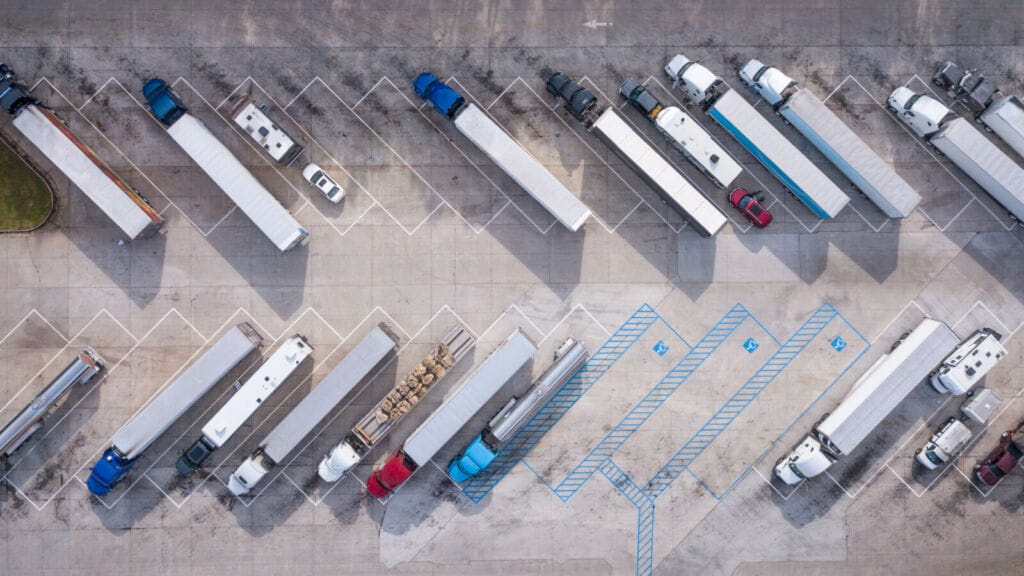
Damage rarely spreads evenly. It piles up in the spots where heavy vehicles work hardest against the pavement:
- Entrances and exits, where trucks slow and roll over the same strip of asphalt
- Loading zones and docks, where vehicles sit still under full weight for long stretches
- Sharp turns, where tires grind and twist the surface sideways
- Braking points, where forward force shoves the top layer ahead
- Dumpster pads, where garbage trucks stop, lift, and pivot in one tight area
These are the first places you’ll spot trouble, long before the open parking spaces show any wear.
What the damage looks like
Different stresses leave different marks. Spotting them early is what keeps parking lot damage cheap to fix.
| Type of damage | What you see | What causes it |
| Rutting | Low grooves along wheel paths | Repeated weight pressing the same track |
| Shoving | Ripples or bumps in the surface | Braking and turning forces |
| Cracking | Spider-web or connected cracks | Pavement flexing beyond its limit |
| Depressions | Dips that pool water | Weakened base under heavy load |
| Potholes | Broken holes in the surface | Cracks left open, then worsened by water |
The layers below matter too
A parking lot is a stack, not a single sheet. Under the black asphalt sit a compacted stone base and the soil beneath it. When a truck presses down, that force travels through every layer. A base that’s too thin or soil that’s too soft leaves the surface with nothing solid to lean on, so it gives way sooner. Plenty of asphalt cracking causes start right here, out of sight, where owners never think to look.
Heat and moisture push all of this further, which is where timing and climate enter the story.
Smart Ways to Protect Parking Lot Pavement

Knowing why heavy vehicles cause harm only helps if it changes how you run your lot. You can’t stop trucks from being heavy, but you can steer where their weight lands and how long the surface holds up. A few smart choices early save thousands in repairs later.
Design the lot around the load
The strongest defence starts before any truck arrives. If you’re paving or repaving, plan for the traffic you actually get:
- Build truck routes and loading areas with thicker asphalt, often four to six inches rather than the usual parking-area depth
- Use concrete pads at docks, dumpster zones, and tight turning points where stress peaks
- Direct delivery traffic along set paths so wear stays in reinforced spots
- Rotate where heavy vehicles park when you can, so no single strip takes every hit
Keep up with small fixes
Most big failures begin as minor flaws left alone. A steady routine of pavement maintenance stops little problems from growing:
- Seal cracks as soon as they show, before water sneaks underneath
- Apply a fresh sealcoat every two to three years to guard against sun and moisture
- Clear standing water and fix drainage so the base stays dry and firm
- Book regular inspections to catch weak spots you’d otherwise miss
Water is the quiet partner in most damage. It seeps into open cracks, softens the base, and in cold months freezes and expands, prying the pavement apart. Handle drainage and sealing early and you break that cycle before it starts.
Know when to call a pro
Some warning signs mean the trouble runs deeper than the surface. Widespread rutting, cracks that keep coming back after patching, or dips that hold water usually point to a base problem. At that stage, commercial asphalt repair by an experienced contractor is worth far more than another quick patch, because they can test the layers below and fix the real cause.
Handle these steps early and you separate a lot that lasts decades from one that needs constant attention.
Keep Your Lot Working for Decades
Heavy vehicles wear down a parking lot faster than most owners expect, and now you know why. Their weight doesn’t add stress in small steps. It multiplies it, gathering in the corners where trucks turn, brake, and sit still. Left alone, that pressure turns thin cracks into ruts, dips, and potholes.
So plan for the load you carry. Build strength into the busy zones, stay on top of routine parking lot maintenance, and treat small flaws before water and weather widen them. A surface designed and cared for with heavy traffic in mind can serve you well for many years.
Your lot is one of the first things visitors notice and one of the costliest to replace. A little foresight today keeps it solid and safe, working hard for a long time to come.