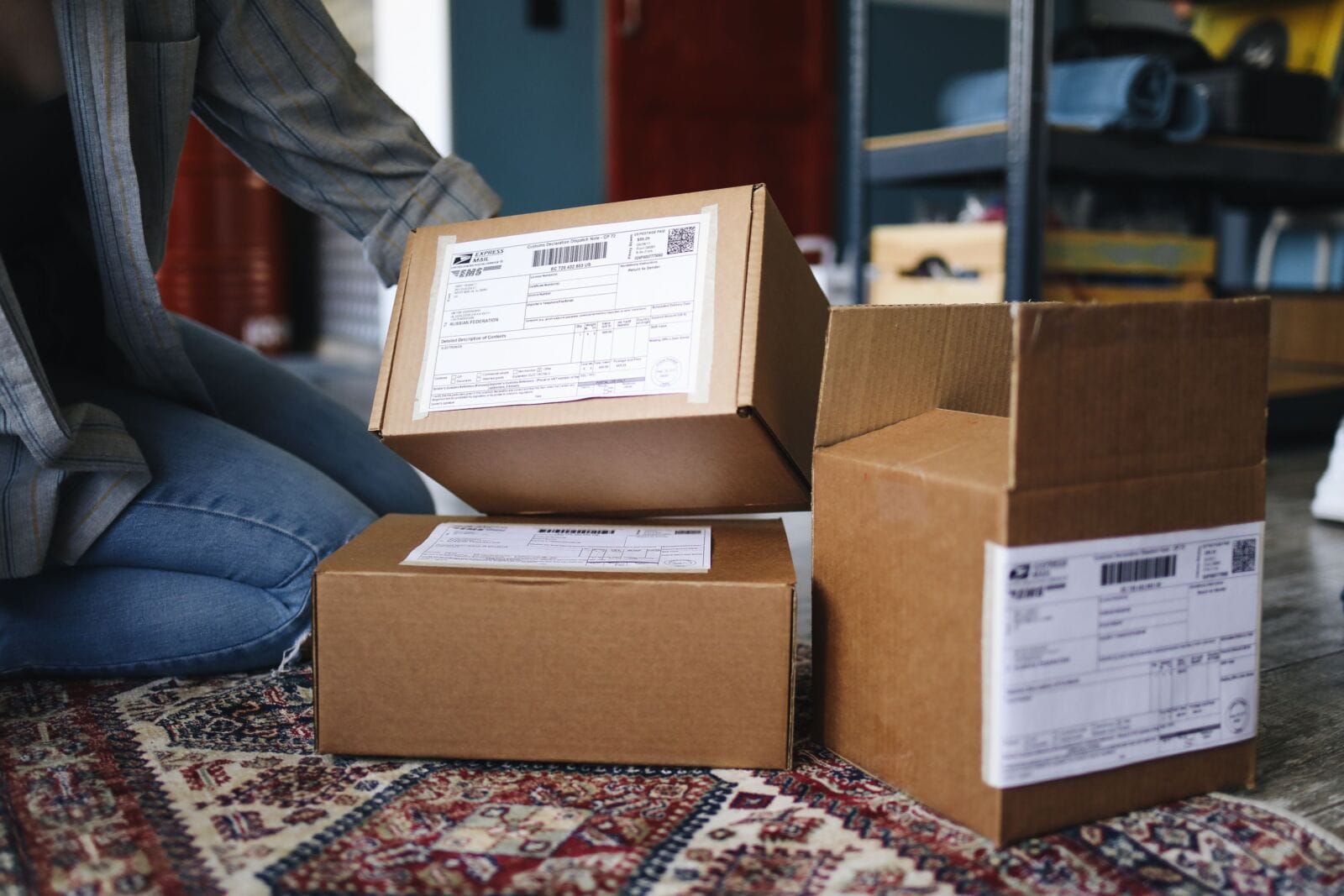
Two businesses ship the same five-pound box to the same address on the same day. One pays noticeably more. Nothing about the parcel explains it.
The difference sits in how UPS builds a price, and in the account the label was printed from. UPS rates are not a single number applied to everyone. They are the output of a handful of variables, most of which a shipper controls, plus a discount structure plenty of small businesses never fully reach.
Here are the seven that decide what lands on your invoice.
Key Highlights
- UPS pricing varies by distance, billable weight, service level, and destination address type.
- Common services: Ground, 3 Day Select, 2nd Day Air, Next Day Air, and Worldwide options.
- Surcharges to expect: fuel, delivery area, large package, additional handling, and address correction.
- Three routes to lower rates: a business account, volume history, or a shipping platform that already holds commercial rates.
- The platform you print from changes both the rate you see and the carriers you can compare against.
1. Distance, Expressed as a Zone
UPS divides the country into zones measured out from your origin. A parcel crossing two zones costs less than the same parcel crossing seven.
This is the variable you control least and predict most easily. Shippers working from a single location have a fixed zone spread baked into their cost base, and it will not change without a second warehouse. Worth knowing before you promise flat-rate shipping at checkout.
2. Billable Weight, Which Is Not Always Actual Weight
UPS charges on billable weight: the greater of actual weight or dimensional weight. Dimensional weight is calculated from the box, not what’s inside it.
This is where most surprise costs start. A light, bulky item priced on its actual weight will not match the invoice. Shippers moving apparel, foam, sporting goods, or anything heavily padded run into this constantly.
Two fixes. Both dull, both effective. Right-size the box, then check your most-shipped SKU against the dimensional calculation before you set a shipping price for it.
WOMEN IN BUSINESS: The Most Influential Women in Arizona for 2026
WOMEN IN REAL ESTATE: The Most Influential Women in Commercial Real Estate for 2026
3. Service Level
Speed is the single largest lever on a UPS quote.
| Service | Typical use |
| UPS Ground | Cost-driven domestic, 1–5 business days |
| UPS 3 Day Select | Guaranteed three-day domestic |
| UPS 2nd Day Air | Time-sensitive but not urgent |
| UPS Next Day Air | Urgent, premium |
| UPS Worldwide Saver / Expedited | International, varying speeds |
The common mistake is defaulting upward. A shipper who sends Ground where the customer expected Ground pays less and disappoints nobody.
4. Surcharges
The base rate is the start of the number, not the end. The additions that appear most often:
- Fuel surcharge. Adjusts with fuel prices, so identical shipments can price differently week to week.
- Delivery area surcharge. Applies to designated ZIP codes, generally rural and remote. UPS publishes the list. If your customers are spread across a state with a lot of distance between metros, check your recurring destinations against it before quoting anyone a flat rate.
- Large package surcharge. Bulk triggers it, not weight. Furniture, equipment, and oversized consumer goods get caught here.
- Additional handling. Applies to parcels that can’t run the standard automated sort.
- Address correction fee. A typo, rerouted mid-transit, billed back to you.
Most of these are not avoidable. They are predictable. Pull three months of invoices, find the ones that recur, and build them into your pricing rather than absorbing them.
5. Where the Rate Comes From
Same carrier, same parcel, three different prices, depending entirely on the account behind the label.
- Retail. Walk-up pricing at a UPS Store or on ups.com without an account. The highest of the three.
- Your own negotiated account. A shipper with enough volume can negotiate directly with UPS and keep those rates wherever they print.
- Platform-negotiated commercial rates. Shipping software holds commercial rates and makes them available to accounts on the platform, with no volume threshold to clear.
That third route is why a two-person operation can print at rates it could not negotiate alone.
Rollo Ship runs on that third model. It is a free multi-carrier shipping platform quoting USPS, UPS, FedEx, Canada Post, and Purolator for shippers in the US and Canada. The software finds the rate. The carrier still moves the parcel and still collects the postage.
Cost splits in two, which is worth keeping straight. UPS rates come through the platform with no volume minimum and no monthly fee. Rollo Ship waives its label-service fee on your first 200 labels. That’s a one-time allowance, not a monthly reset. After those 200, the fee is 5¢ per label, dropping to as low as 1¢ at the VIP tier of Rollo Rewards. Postage is a separate charge on every label, including the first 200.
FedEx works differently on Rollo Ship and generally. There are no platform-negotiated FedEx rates anywhere. A shipper links an existing FedEx account and compares those rates alongside the rest.
6. The Platform You Print the Label From
Most shipping platforms give you UPS. Where they separate is everything around it.
| Platform | UPS access | Other carriers quoted | Cost model |
| Easyship | Platform-negotiated rates | USPS, FedEx, DHL, | Free tier capped by monthly shipment count; paid tiers above it |
| Pirate Ship | Platform-negotiated rates | USPS only, US origin | Free, no monthly fee |
| Rollo Ship | Platform-negotiated rates for both US and Canada | USPS, Canada Post, and Purolator; FedEx via your own account | Free signup, no monthly fee; label-service fee waived on first 200 labels (one-time), then 5¢ per label; postage paid separately |
| ShippingEasy | Platform-negotiated rates | USPS, FedEx | Free starter tier capped by monthly shipment count; paid tiers above it |
| ShipStation | Platform-negotiated rates | 200+ carriers | Subscription, tiered |
On UPS access alone several of these look much the same, and that is the honest read. The separation shows up in the other two columns. A platform quoting two carriers cannot find you a cheaper third one, and a subscription costs the same whether you ship 40 parcels a month or 4,000. A per-label fee grows with volume instead. At 40 labels a month, Rollo Ship’s 200 waived labels last five months. After that, the standard 5¢ fee comes to $2 a month, plus postage.
Which column matters depends on your volume and your mix. A shipper moving heavy domestic freight has different priorities than one sending small parcels into Canada, and different again from one shipping mostly overseas.
7. Whether You Can Compare Before You Commit
The last variable isn’t a UPS variable at all. It’s whether you saw the alternatives.
A rate tool can only shop among the carriers it quotes. Two carriers, two prices. Five carriers, five prices, and the winner moves around with weight, dimensions, and destination. The cheapest UPS rate you can find is still only the cheapest UPS rate.
Rollo Ship prices the same parcel across all five carriers before printing, on web, iOS, and Android. Its AI-powered rate selection groups similar orders, applies shipping rules, and recommends the cheapest qualifying service before the label is generated. For shippers running a mixed profile, that comparison step is usually worth more than any single carrier’s discount.
Keeping the Number Down
Four things, in order of return:
- Audit billable weight on your top five SKUs. Dimensional weight is the most common source of unexpected cost.
- Right-size your packaging. You pay for air.
- Check destinations against the delivery area surcharge list. Especially if you quote flat-rate shipping.
- Compare across carriers per shipment, not per quarter. Rates move.
Frequently Asked Questions
How does UPS calculate dimensional weight?
UPS calculates dimensional weight from package dimensions rather than contents, and bills the greater of dimensional or actual weight. Bulky, lightweight parcels are usually priced on dimensional weight.
Can a small business get UPS discounts without high volume?
Yes. Shipping platforms hold commercial UPS rates and extend them to accounts on the platform with no volume threshold. That is generally the fastest route for a shipper who can’t meet direct-negotiation thresholds.
What is a multi-carrier shipping platform?
A multi-carrier shipping platform lets a shipper compare carrier rates and generate shipping labels from a single dashboard, rather than working in each carrier’s own system.